Beyond the resort beaches lies a world where ancient history meets untamed volcanic wilderness. This next Lanzarote adventure journeys from the ingenious, ash-sunken vineyards of La Geria straight into the vibrant, cobbled heart of Teguise’s historic market. Leaving the crowds behind, the route charts a course along the rugged west coast, where fierce Atlantic waves crash beneath towering mountain cliffs. It was a day of stark contrasts, rich heritage, and authentic rural charm, proving that stepping off the beaten track reveals the true, wild soul of this captivating island when exploring by car.
In this guide:
Introduction:
After a quiet rest day spent relaxing around the hotel, the third full day of exploring called for a journey inland. The goal was to step away from the usual tourist hotspots of the East coast, to discover a quieter side of the island, and see Lanzarote’s famous vineyards first-hand before spending some time roaming the aisles of a traditional market.
Exploring La Geria, Teguise and West coast of Lanzarote:
Admiring the wineyards in La Geria:
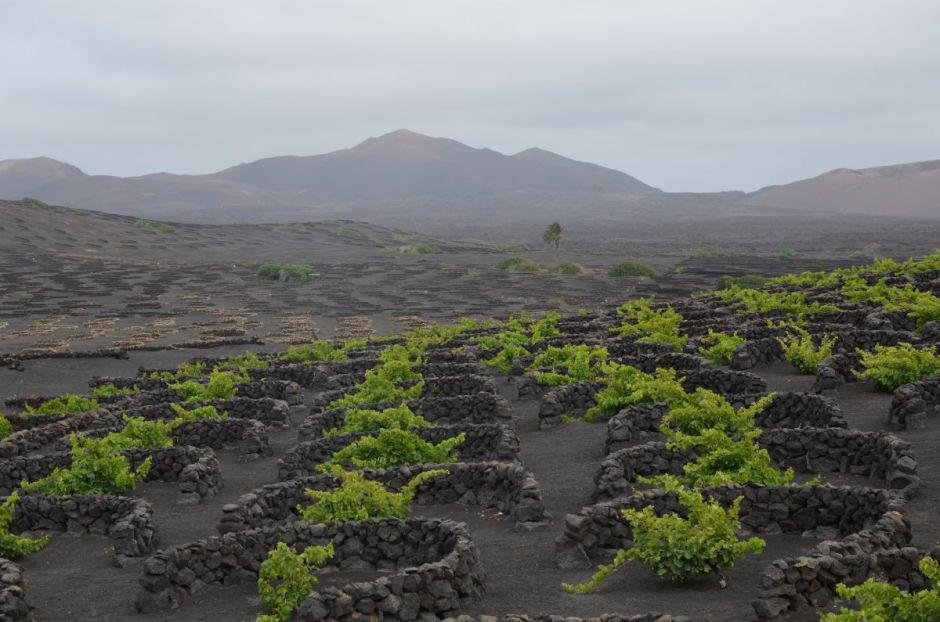
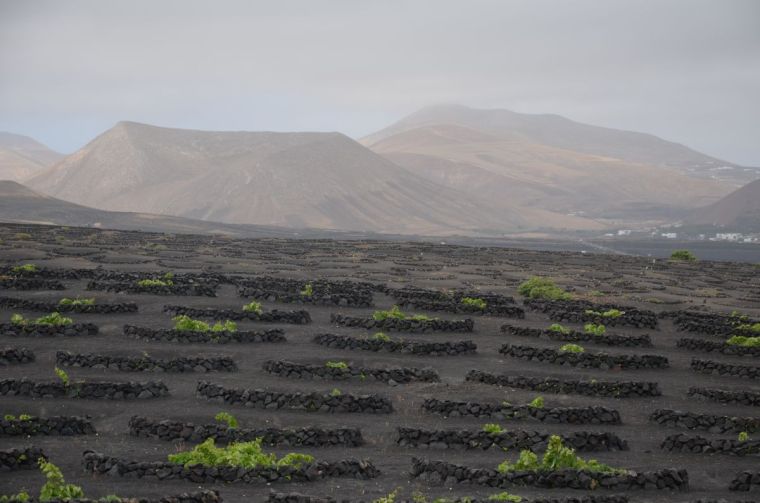
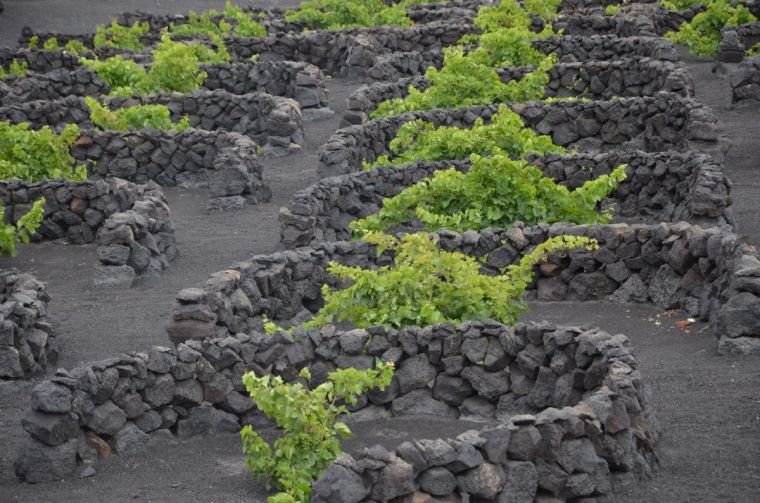
Our road trip started with a drive on the scenic LZ30, cutting straight through the heart of La Geria. The views here are unlike anything else. It is a striking landscape of low-slung wine plantations carved directly into vast, black volcanic ash fields. This ingenious way of farming actually began out of sheer necessity after the catastrophic Timanfaya eruptions of the 1730s. Farmers discovered that the volcanic gravel (picón) acts like a sponge, trapping the evening dew to naturally hydrate the roots without a drop of rain.
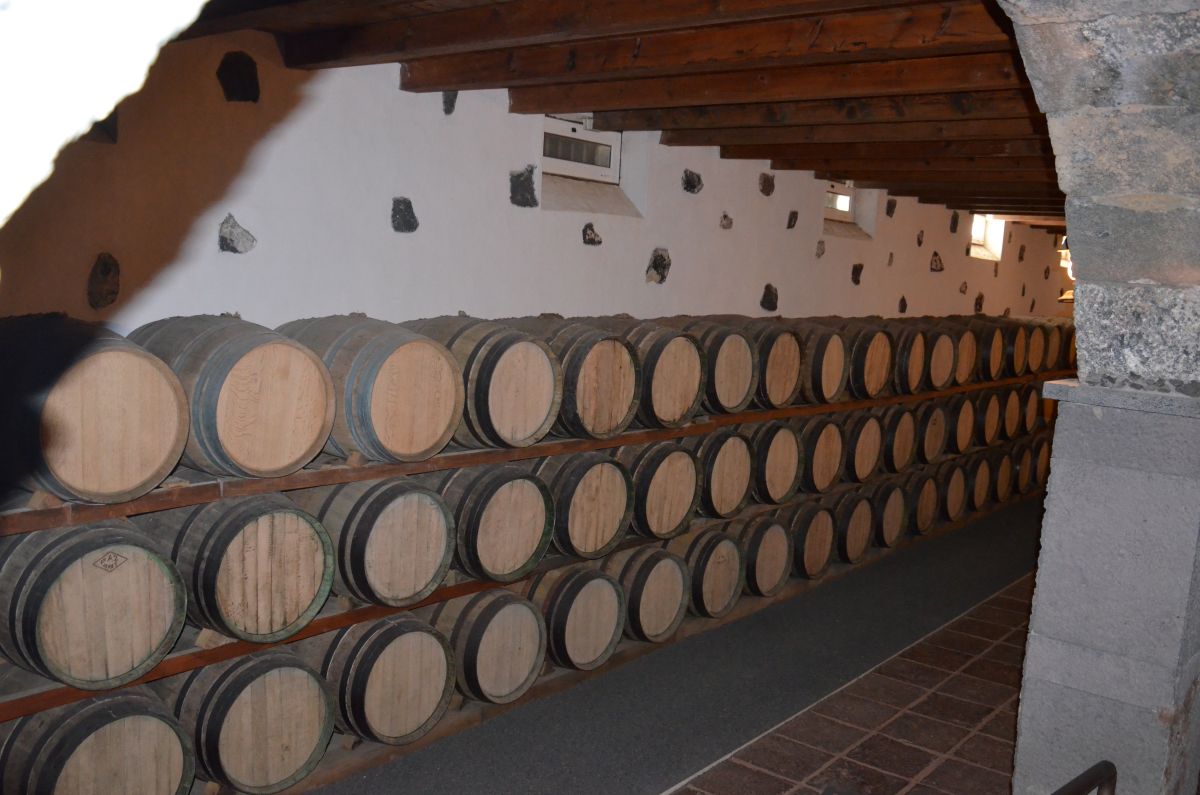
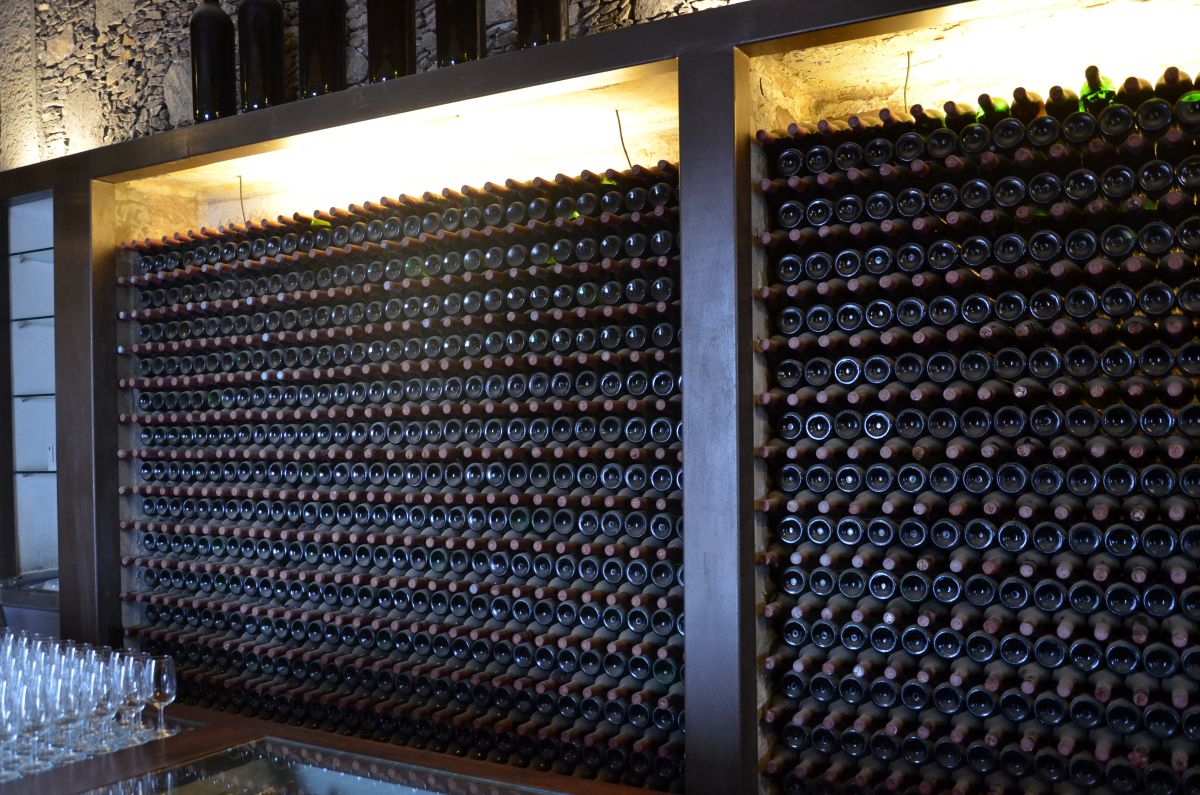
While multiple bodegas line this route, we decided to pull into the very first one we reached: Bodega Rubicón. Established inside a 15th-century country house that miraculously survived those volcanic blasts, it is arguably the most historic estate in the valley. From the car park, we enjoyed stunning panoramas of the semicircular stone walls sheltering the vines from the strong island winds. The bodega allows visitors to freely explore their lovely old house and traditional barrel cellars. They even have an atmospheric on-site restaurant if you want to pair their local Malvasía wines with a bite to eat. However, as it was only 10:00 am and the very beginning of our little adventure, we decided to skip the wine tasting .
Visiting Teguise:
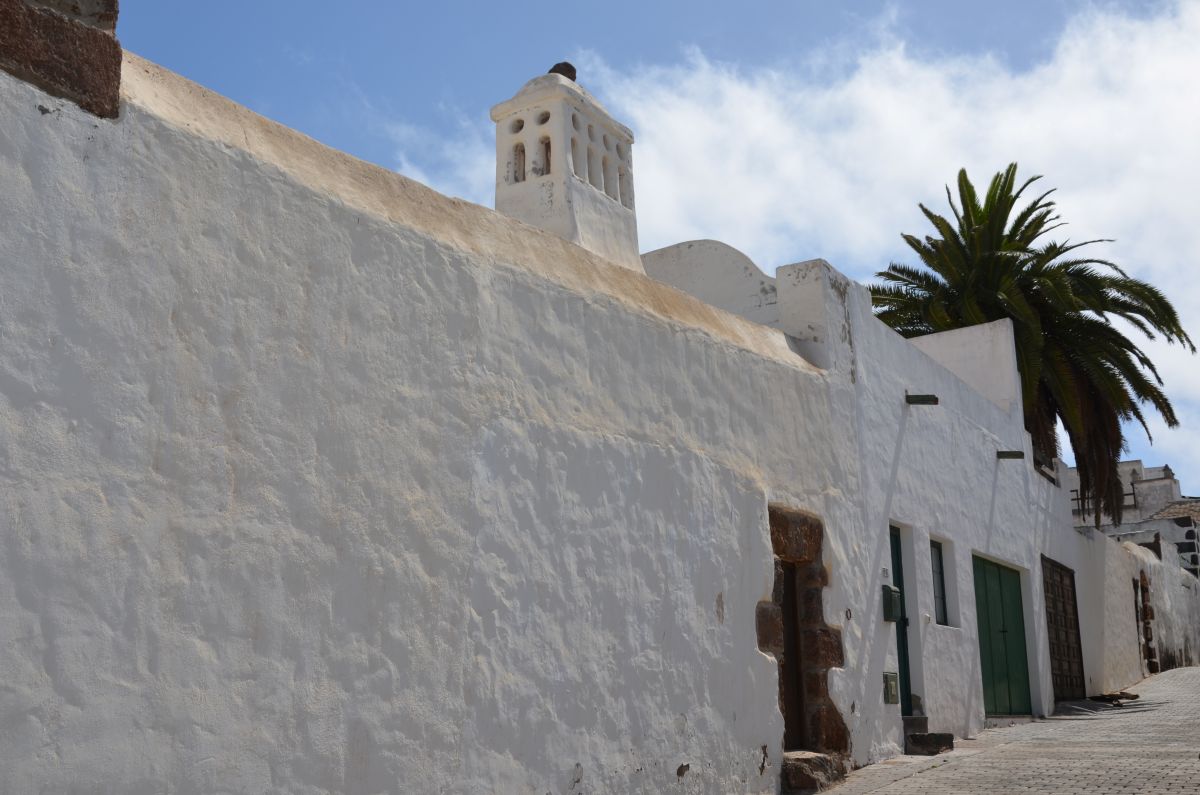
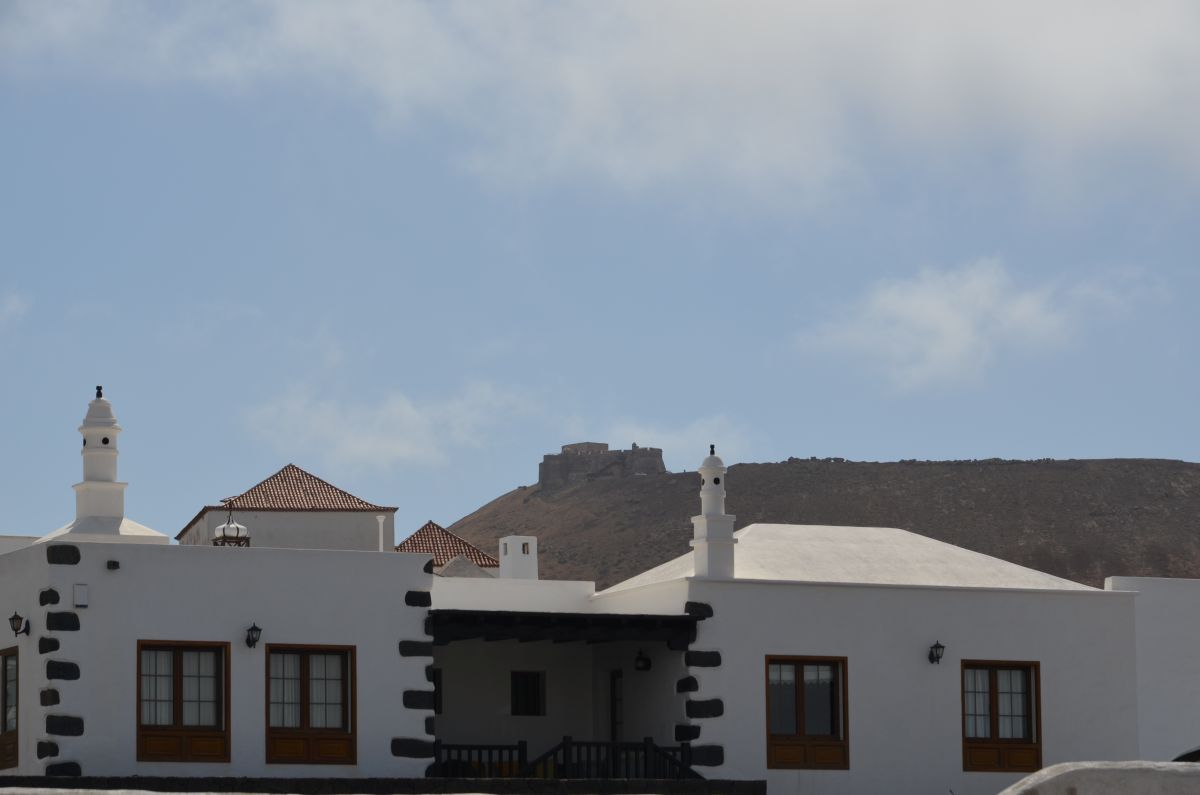
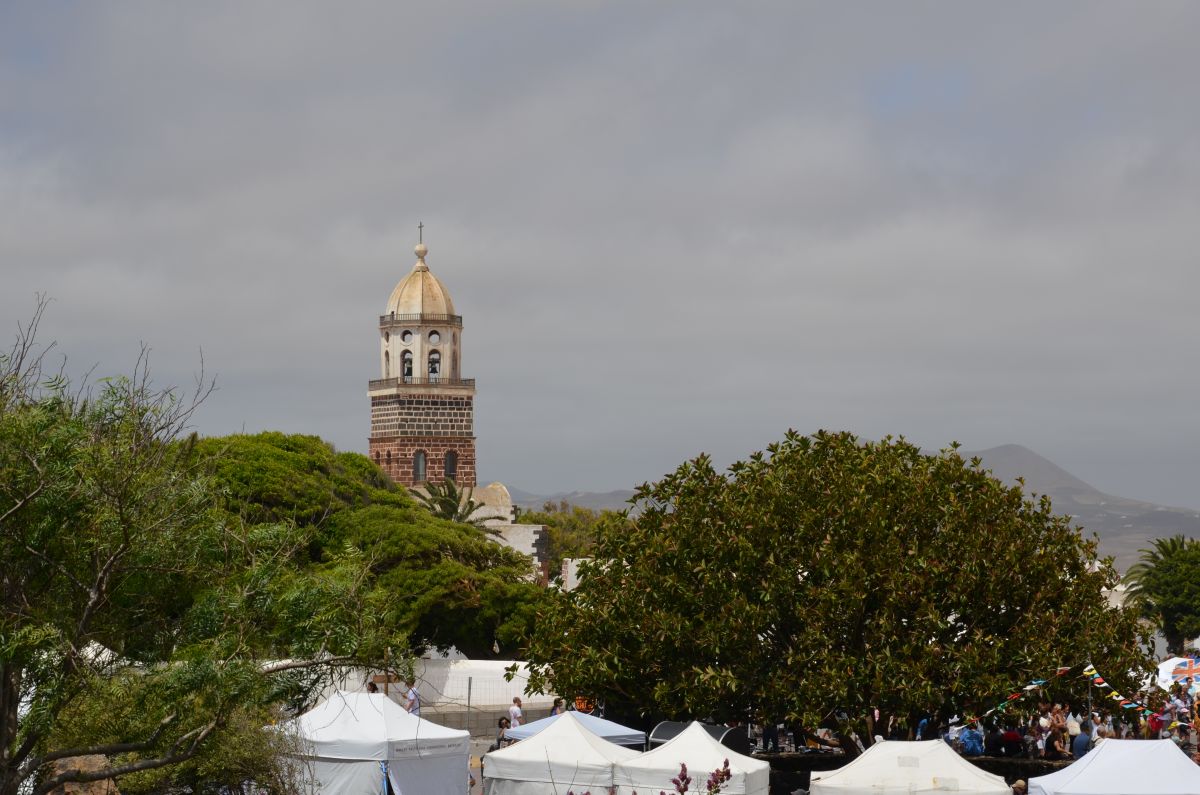
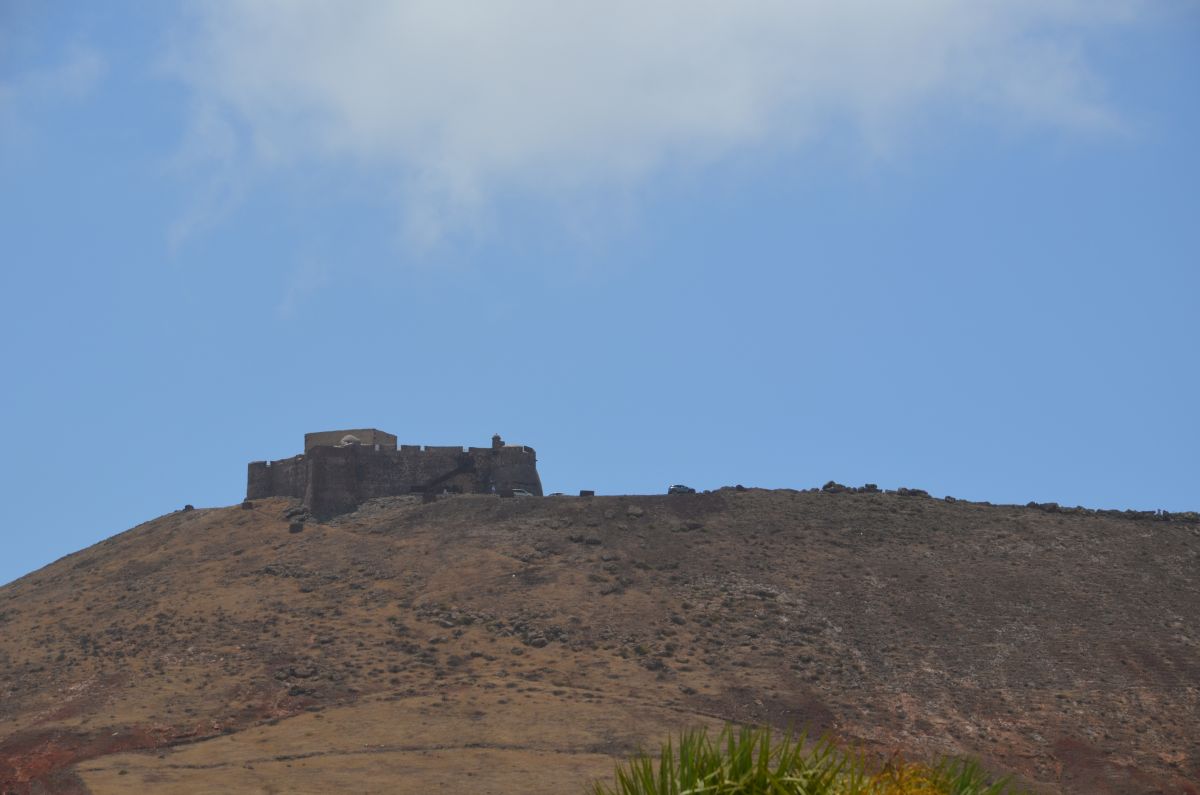
We timed our arrival in Teguise perfectly to coincide with its massive, bustling market, which takes over the town every single Sunday. Walking through the crowded, winding streets today, it’s hard to imagine that Teguise was actually the original capital of Lanzarote, holding that title for centuries until Arrecife took over in 1852. The early Spanish settlers chose this specific inland spot back in the 1400s, thinking the surrounding hills and distance from the sea would protect them from marauding pirates. Unfortunately, that strategy didn’t quite work; the town was repeatedly raided and sacked by North African corsairs over the centuries. The town’s location did offer a great environmental perk, though as its proximity to the Guanapay mountains meant winter rainfall could easily be channelled into massive underground water reservoirs.
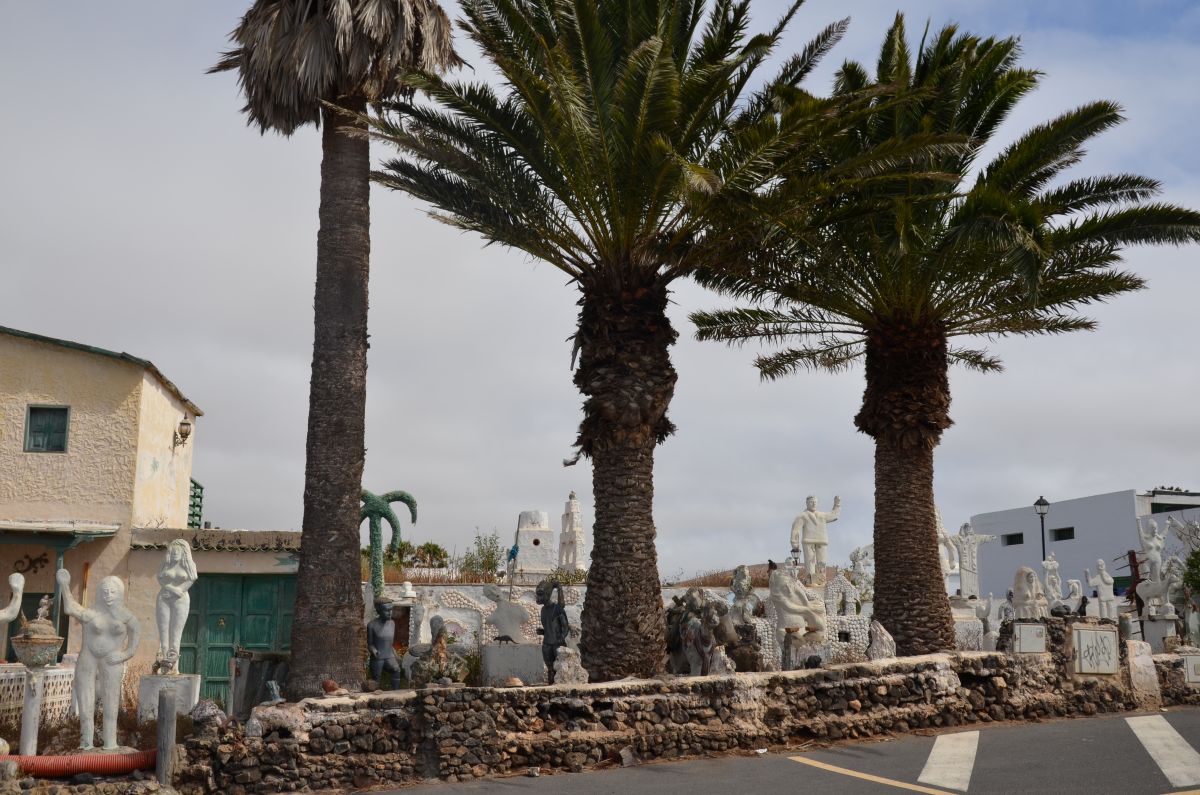
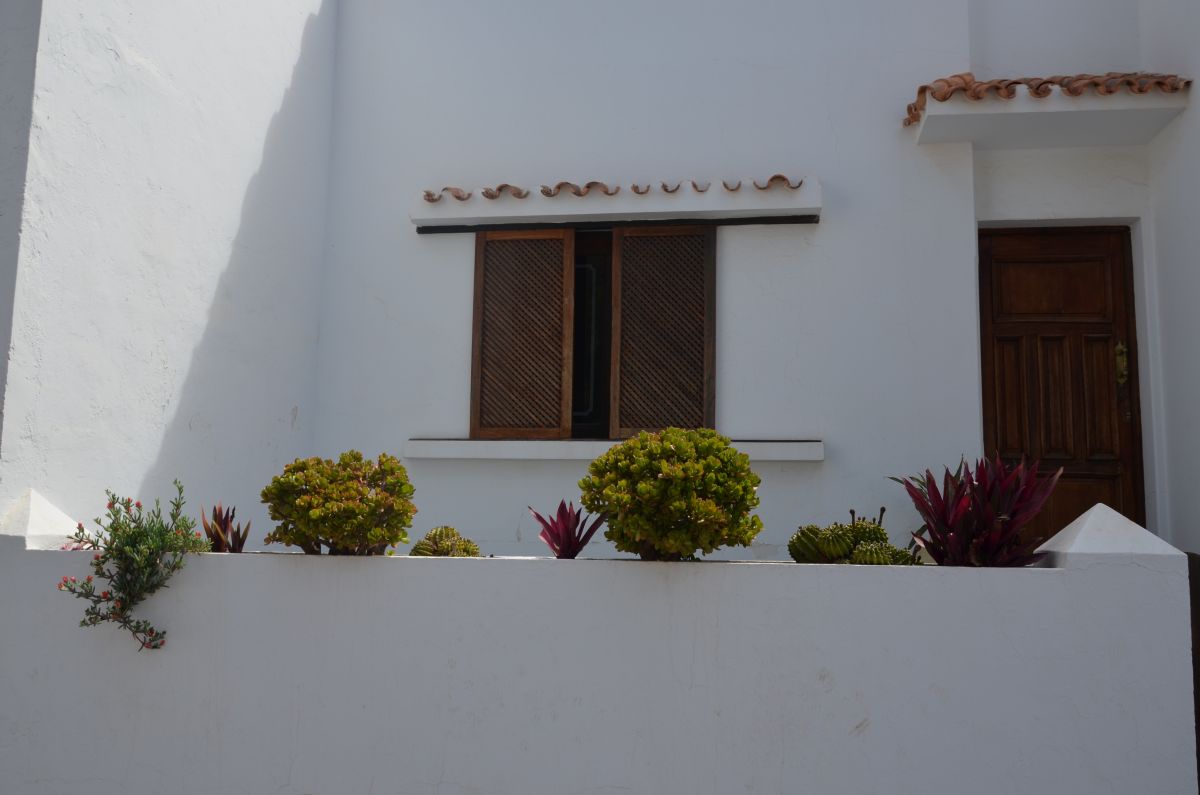
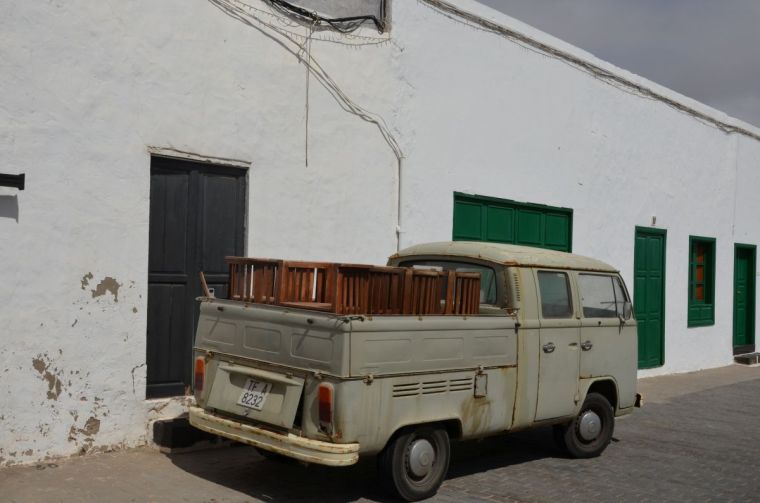
Teguise has beautifully preserved its traditional soul, complete with historic white-walled buildings, local folk dancers, and vibrant market stalls. The entire place was teeming with life as people enjoyed drinks out on the sunny terraces or roamed the endless labyrinth of stalls filled with handmade Canarian arts. I couldn’t resist buying some lovely, unique bookmarks crafted from local lava stone. After soaking up the lively atmosphere and snacking on some deliciously fresh local strawberries, we made our way back to the car to push further west.
Road Trip Along the West Coast:
Leaving Teguise behind, we tracked south for a short bit before veering west along the open road leading toward Playa de Famara. The scenery shifted dramatically almost instantly; the fierce Atlantic winds were up, sending powerful, roaring waves crashing against the shoreline. Overlooking the beach are the majestic, towering cliffs of the Famara Massif, which look so raw and imposing that they amplify the feeling of stepping into true, untamed wilderness.
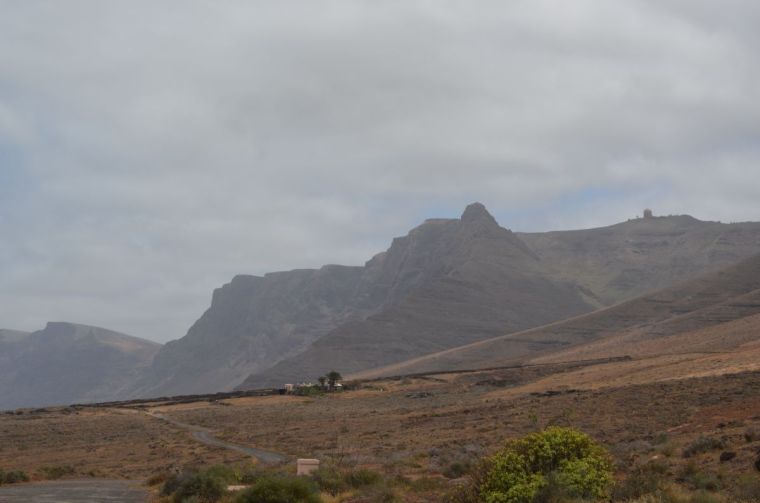
Marcus happened to fall fast asleep right as we reached the coast, so we used the quiet time to drive as far south along the shoreline as the roads would take us. This route led us through quiet, deeply rural villages like Soo, a corner of the island that feels completely untouched by mass commercial tourism. This sleepy region has a fierce history of its own; back in 1789, the rural workers of Soo actually marched across the island in a historic protest to demand fair governance for the poor. Today, the area still feels rustic and far less affluent than the resort towns, with a few of the dirt tracks around Soo yet to be finished with tarmac. While there aren’t many traditional tourist sights to see out here, the dramatic, stark scenery is spectacular and shows a completely different side of Lanzarote, making it easy to see why this coast is a paradise for surfers.
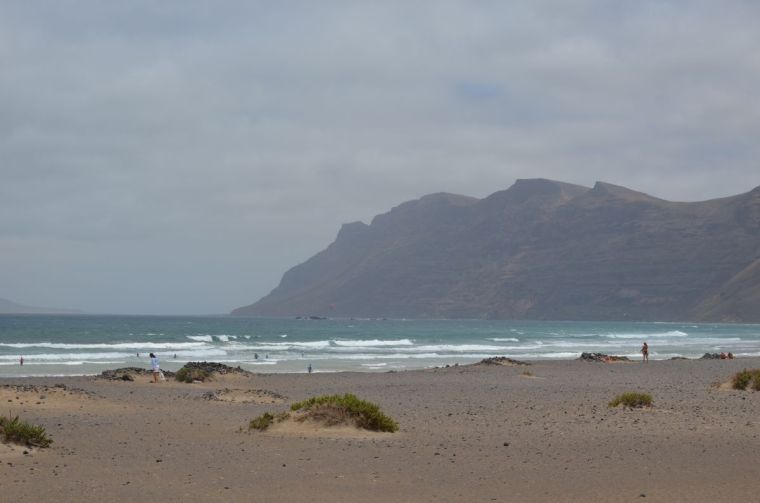
From Famara, we droved down along the coast to La Santa, a small coastal village famous worldwide for its massive Olympic-grade sports training resort, though the village itself is a fairly quiet fishing spot with a relaxed vibe. From there, we turned the car back inland, cutting through the traditional villages of Tinajo and Mancha Blanca before driving one last time through the awe-inspiring, otherworldly landscape of Timanfaya National Park. The sweeping views across the open volcanic plains were breathtaking the entire way.
By the time we cleared the park, we were all ready for a well-deserved ice cream and a splash in the swimming pool, so we kept driving south until we made it back to the comfort of our hotel in Playa Blanca.
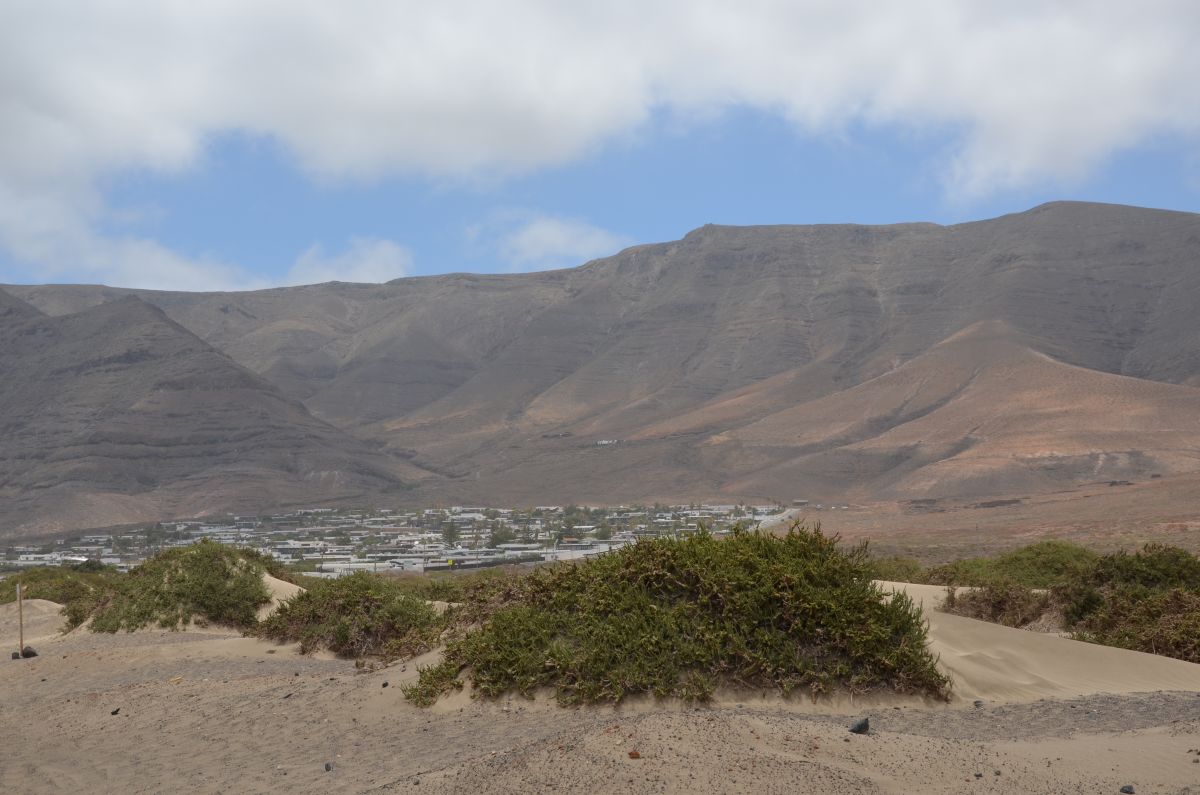
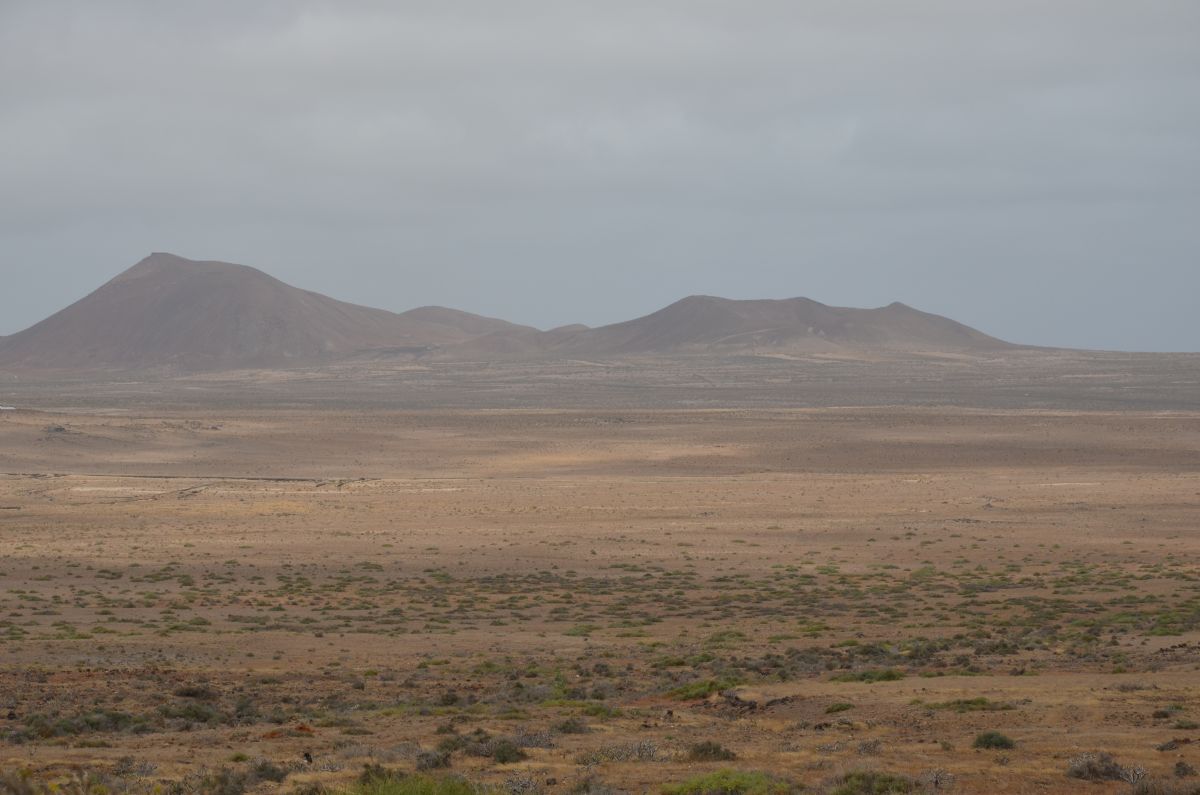
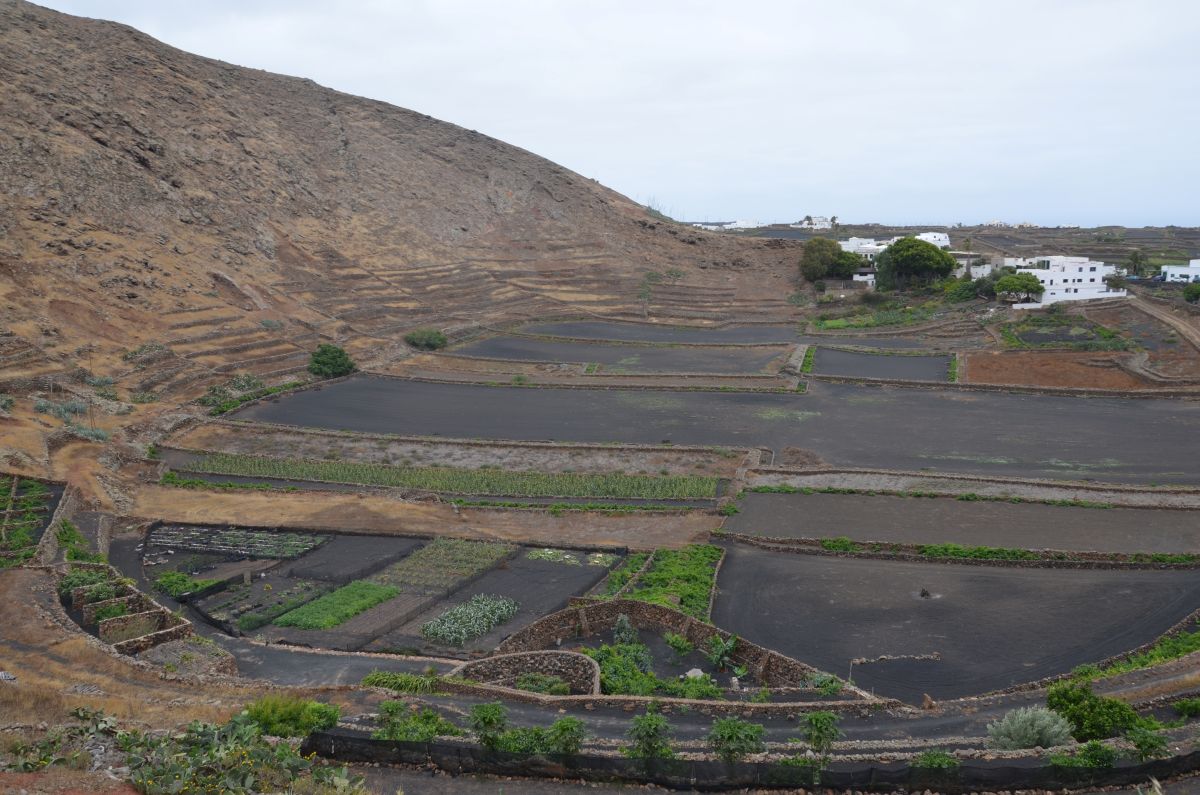
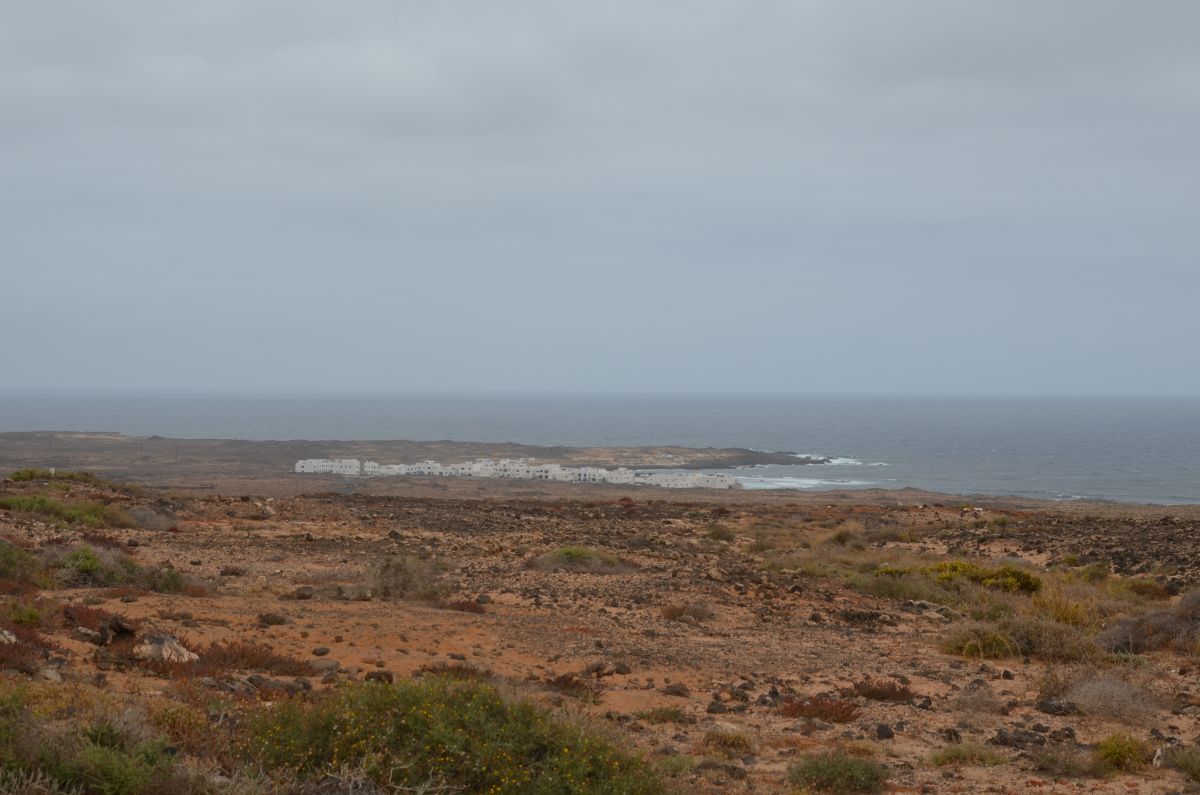
Some photos taken during the road trip along the west coast
Travel tips:
To help you plan your own day out, here are all the essential practical details you need to know before you go:
Teguise
- Car park: multiple small car parks are opened at the entrance of the town. Cash payment £2-3 per day.
- Market: Street market on the Sunday morning. The town is closed to vehicle
- Shopping: plenty of small independent shops to buy local products also plenty of restaurants
- Find more information here
Bodega Rubicon, La Geria:
- Free visit of the old house and wine cellar
- Car park on site
- Restaurant to taste their wine
- Official website here
Add to your visit: If you have time, you can add to visit to museum of Piracy in Teguise or el museo del campesino in Tinajo
Final Thoughts:
Join the Conversation
Have you visited this area of Lanzarote?
Share your thoughts: Don’t hesitate to tell us what you think by leaving us a comment below!
Stay Updated
If you enjoyed this adventure, consider subscribing below to our newsletter for more family and dog-friendly adventures in Europe and the United Kingdom.

