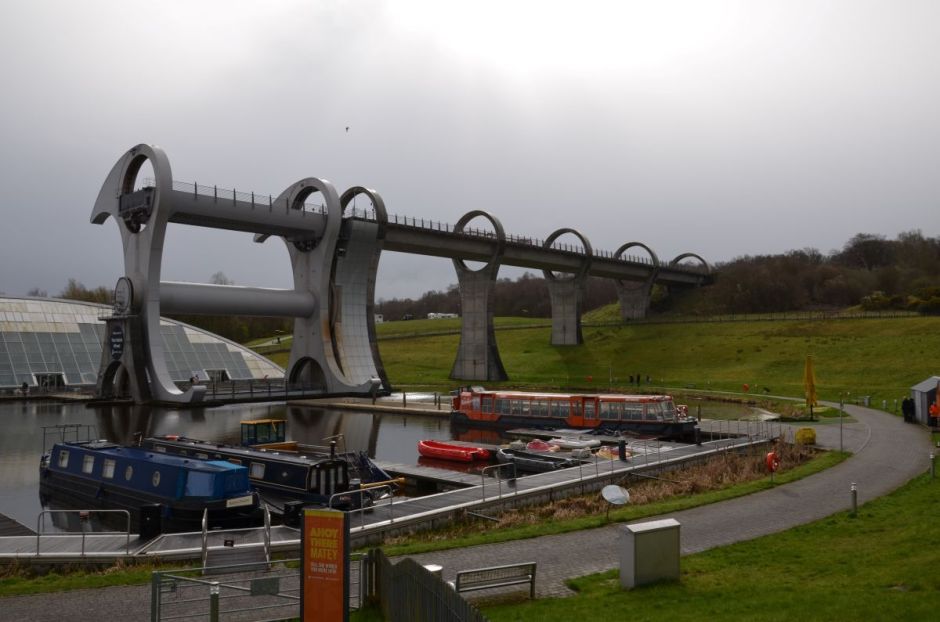
Situated in the heart of Scotland’s Central Lowlands, the landscape between Falkirk and Stirling is a dramatic blend of world-class engineering and ancient royal history. This is a region where the past isn’t just preserved; it’s a giant playground. Experience everything from the gravity-defying rotation of the Falkirk Wheel to the eccentric stone leaves of the Dunmore Pineapple. Whether you’re navigating the cinematic, cobbled streets of Stirling and Culross or exploring Callendar estate, this 3-day itinerary balances iconic monuments with an intimate, family and dog-friendly feel.
In this guide:
- Introduction
- Explore the area: Engineering, Estates, and Old Town Lanes
- Travel Tips:
- Extend Your Adventure: Make a Holiday of It
- Final Thoughts
Introduction
For this Easter bank holiday weekend, we decided to explore Falkirk, Stirling, and the surrounding area. We always try to make the most of our long weekends. Last year we spent Easter in Norfolk.
Falkirk wasn’t entirely new to us; we’d visited the Kelpies two years ago on our way to St Andrews, but we hadn’t managed to see the Wheel during that trip. Stirling had also been on our ‘must-visit’ list for a while now. So we were really looking forward to this long weekend.
Unfortunately, the weather wasn’t on our side, and we even had a storm to contend with! Because of the rain, we used this weekend to visit as well as to slow down, relax, read, and play indoors with Marcus. Since we were doing a house exchange, we had all the space and comfort we needed to enjoy a cosy weekend in.
Explore the area: Engineering, Estates, and Old Town Lanes
Day 1: Engineering Marvels & Quirky Landmarks
On the first day, we decided to stay local and head out to the Wheel first thing in the morning in the hope of beating the crowds as much as possible.
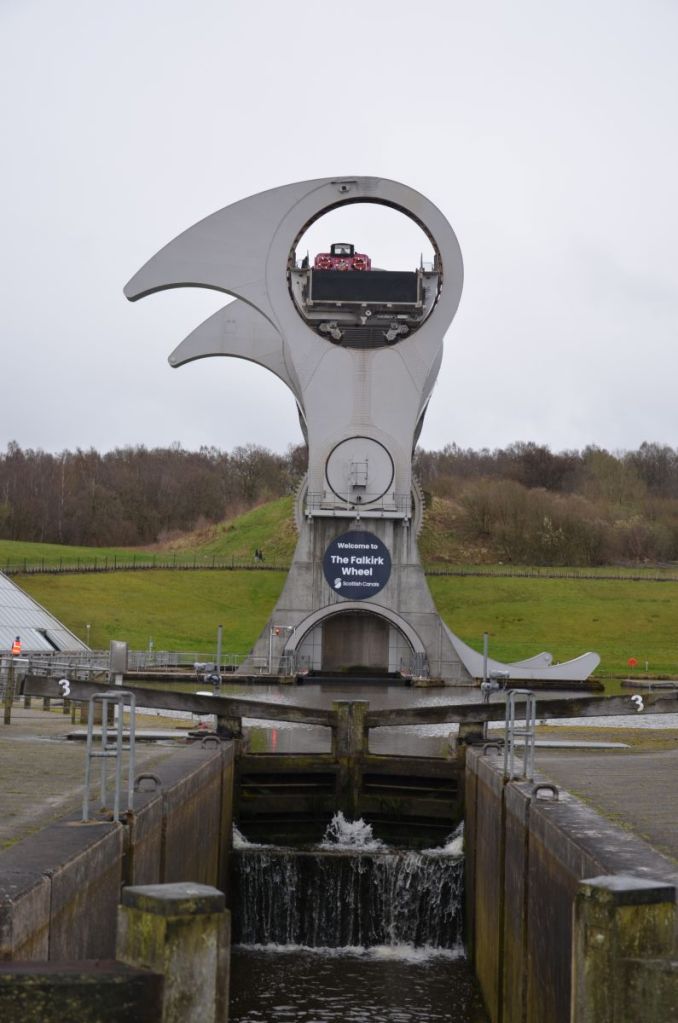
The Falkirk Wheel
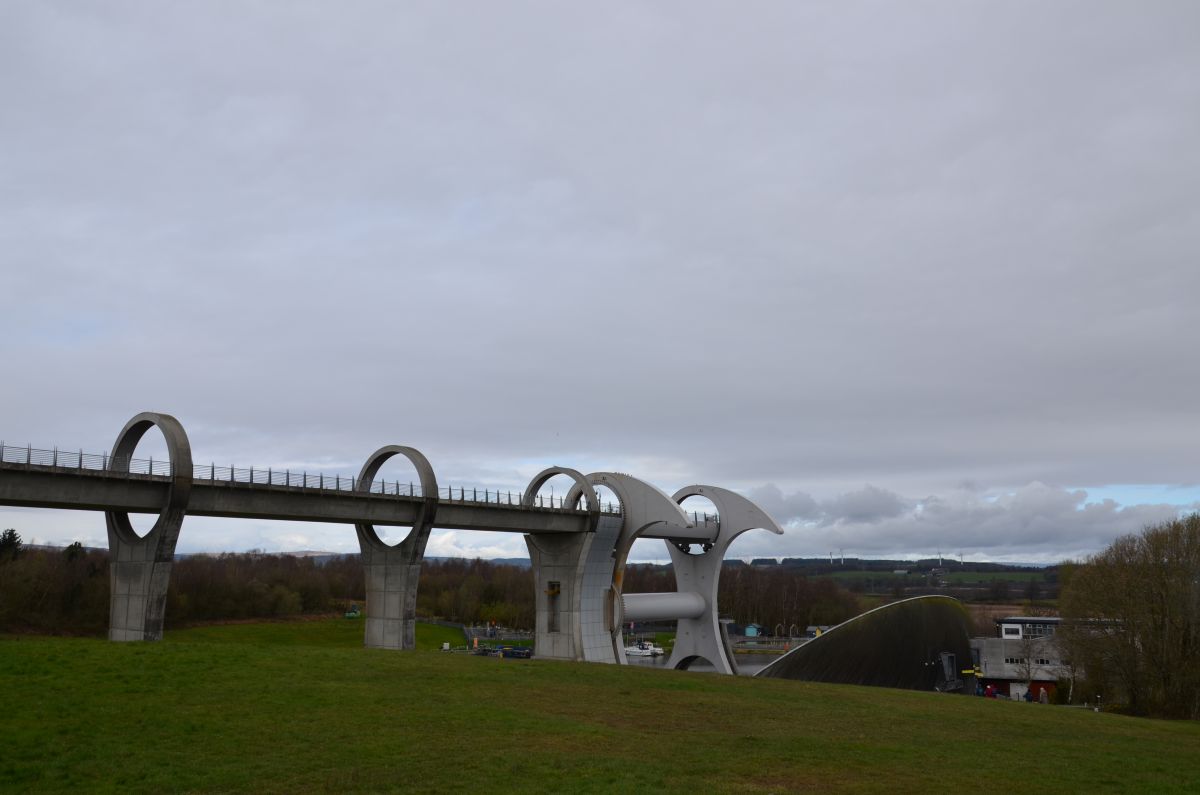
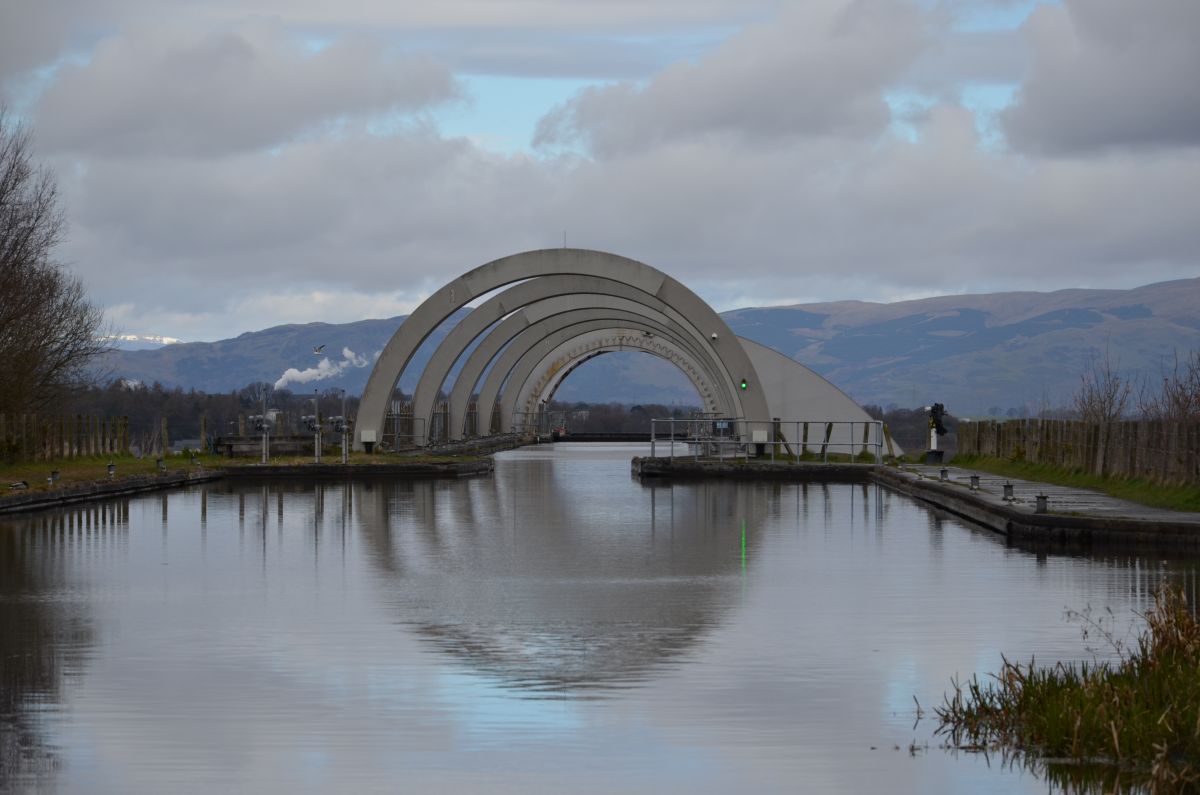
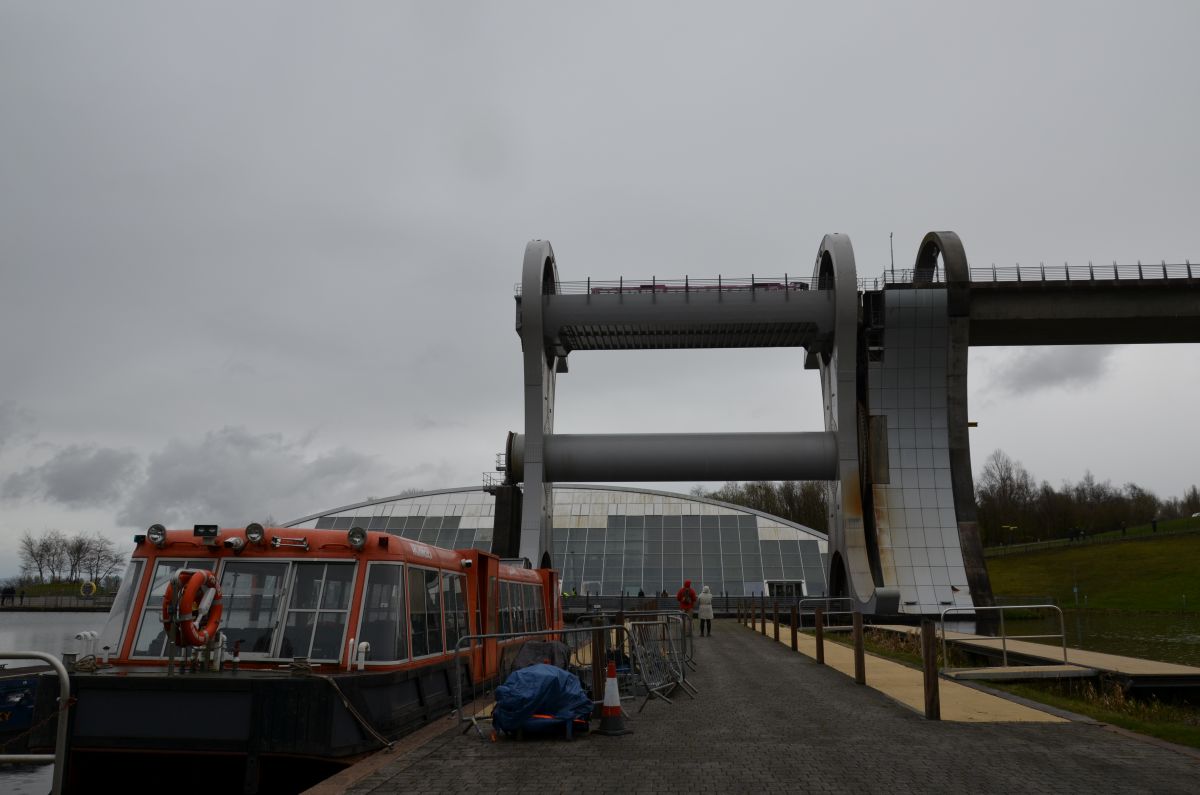
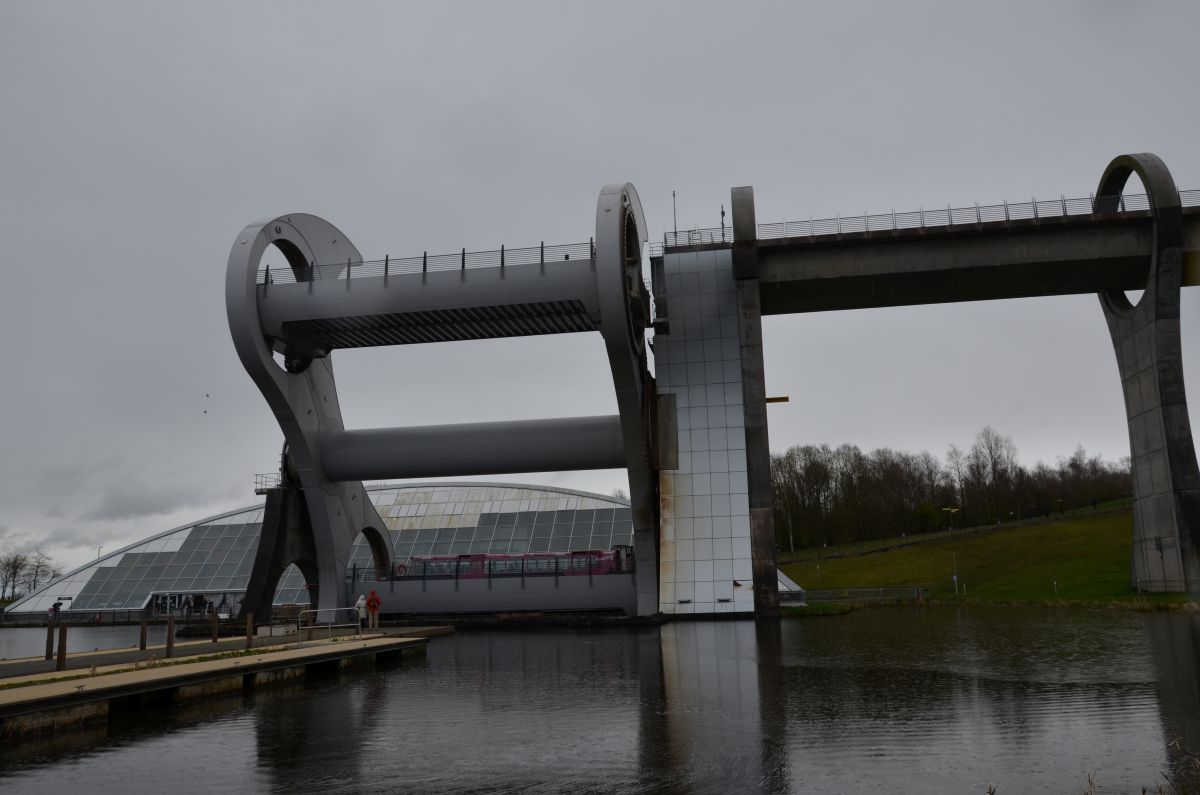
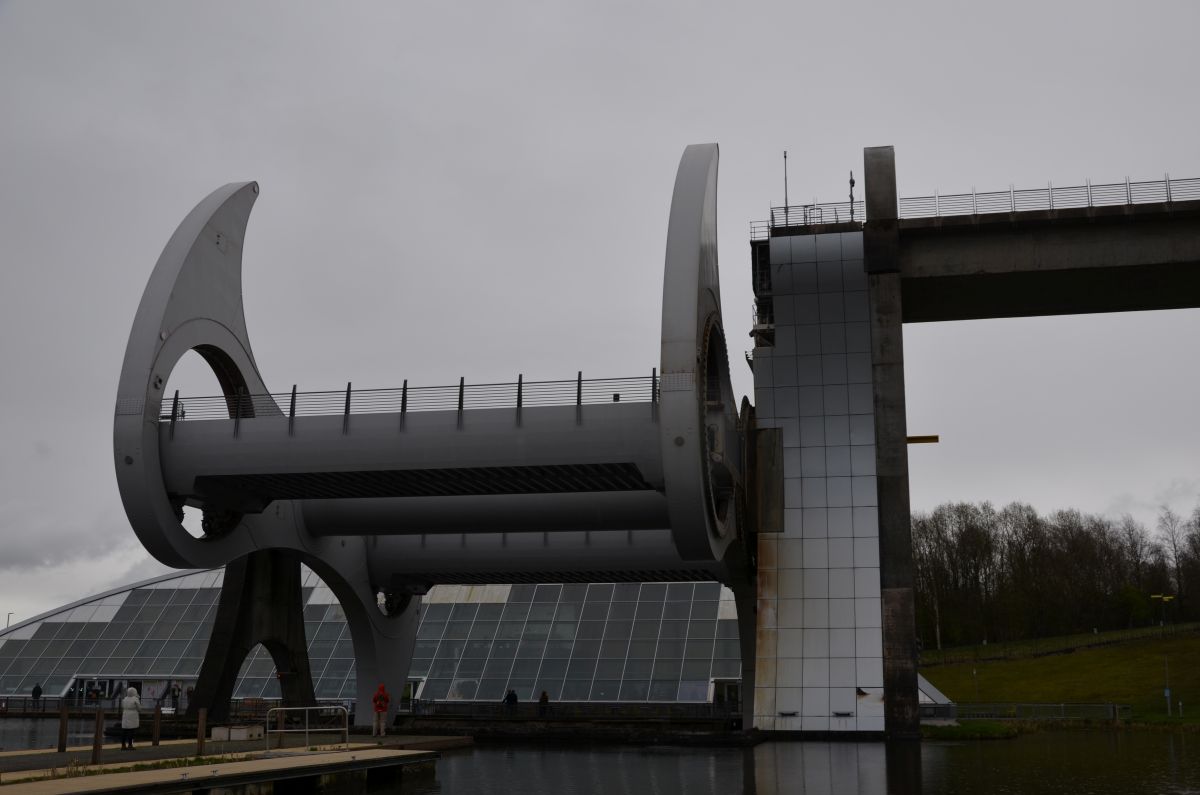
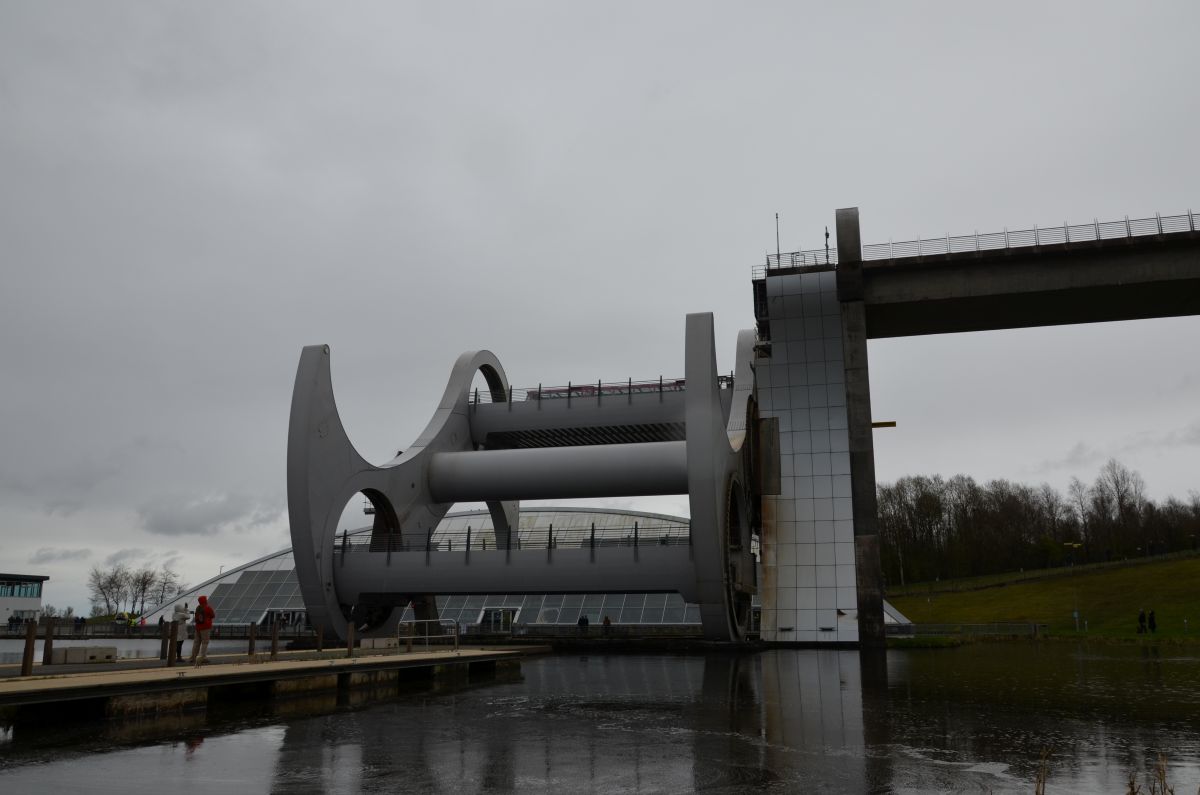
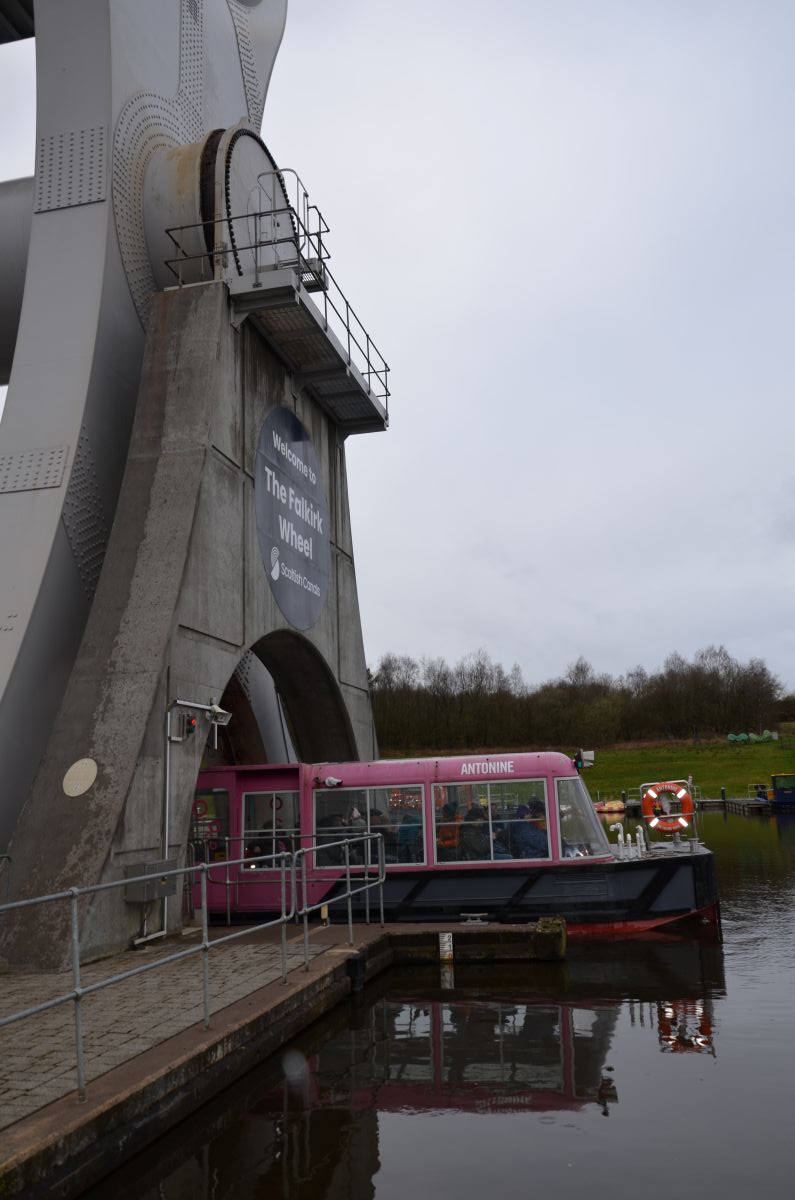
I have to say, the Falkirk Wheel is truly impressive, especially watching it rotate to move canal boats up and down.
It was built in 2002 as part of the Millennium Link project to reconnect the Forth and Clyde Canal with the Union Canal for the first time since the 1930s. Historically, boats had to pass through a staircase of 11 locks, which took nearly an entire day of heavy lifting; now, this 21st-century landmark does it in just a few minutes.
The design inspired by the double-headed Celtic axe is as beautiful as it is clever. Because of Archimedes’ Principle, the wheel is always perfectly balanced, allowing the massive structure to rotate using just 1.5kWh of energy, which is about the same as boiling eight household kettles.
We started our visit by testing out the outdoor games that explain to children how canal locks work, which was a nice way for Marcus to learn through play. From there, we moved to the great playground for a little while. Suddenly, the wheel began its slow, graceful rotation, so we walked closer to get a better look at the incredible engineering and the sheer scale of the steelwork. After watching it in action, we walked up toward the upper canal and the arches. We didn’t go all the way through the Rough Castle Tunnel, but we stopped to look inside and enjoy the lovely views of the countryside from that height.
The Dunmore Pineapple and Dunmore House
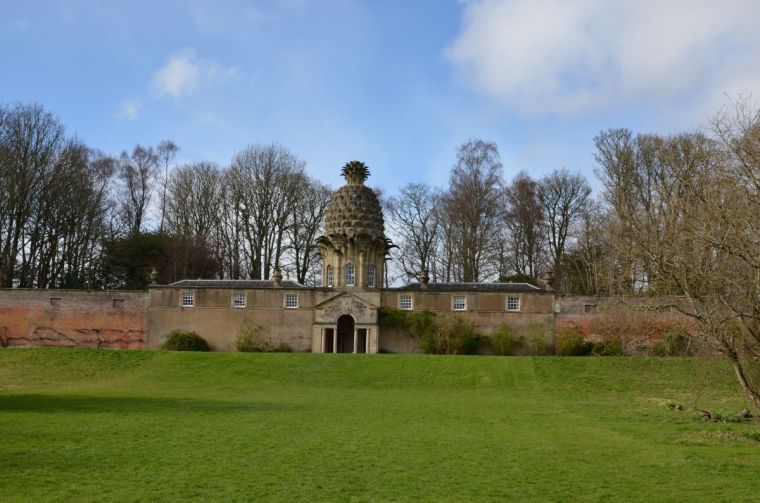
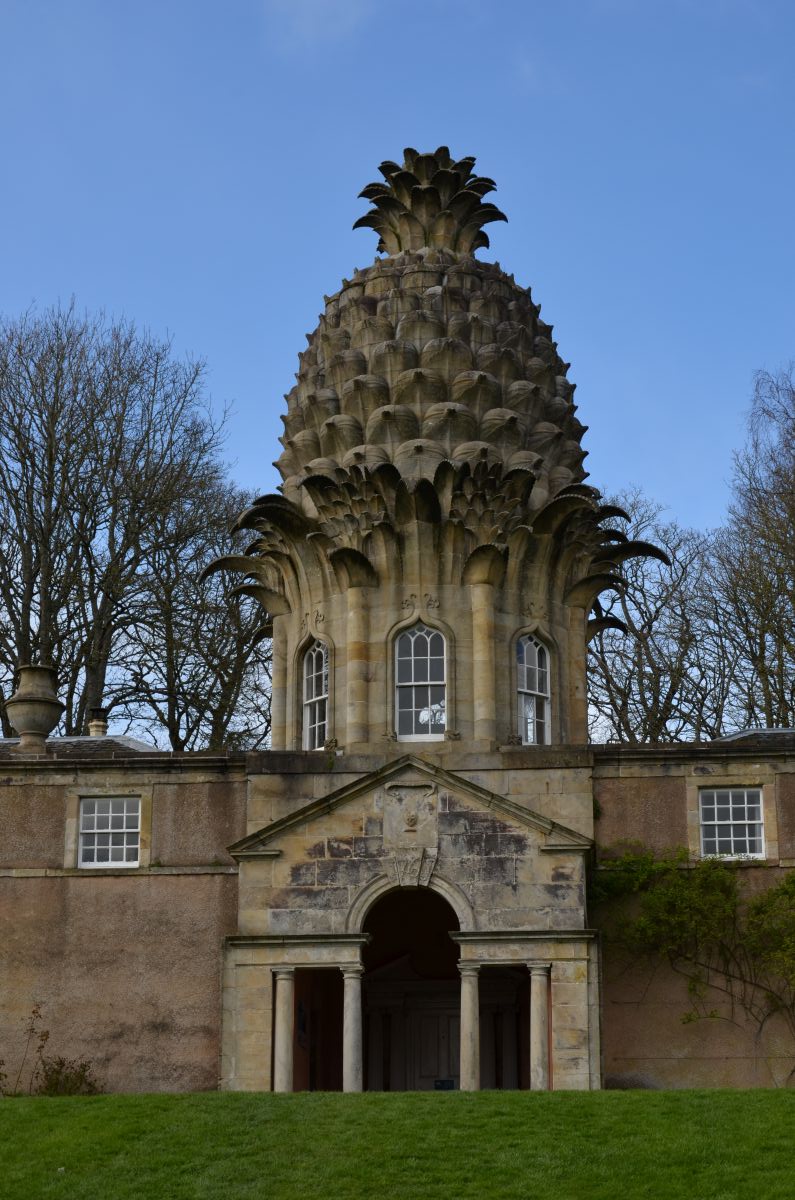
In the afternoon, once Marcus had finished his nap, we set off to visit the Dunmore Pineapple. It is such an eccentric and fascinating building, standing as a bold symbol of 18th-century grandeur.
The Dunmore Pineapple was built in 1761 by the 4th Earl of Dunmore as a summerhouse. In those days, pineapples were incredibly rare and exotic in Scotland, serving as a ultimate status symbol of wealth and hospitality. The Earl even had a sophisticated heating system built into the garden walls to grow the fruit in the cold Scottish climate. It is said he added the iconic stone pineapple topper after returning from his time as the Governor of Virginia, perhaps as a flamboyant way to announce his homecoming.
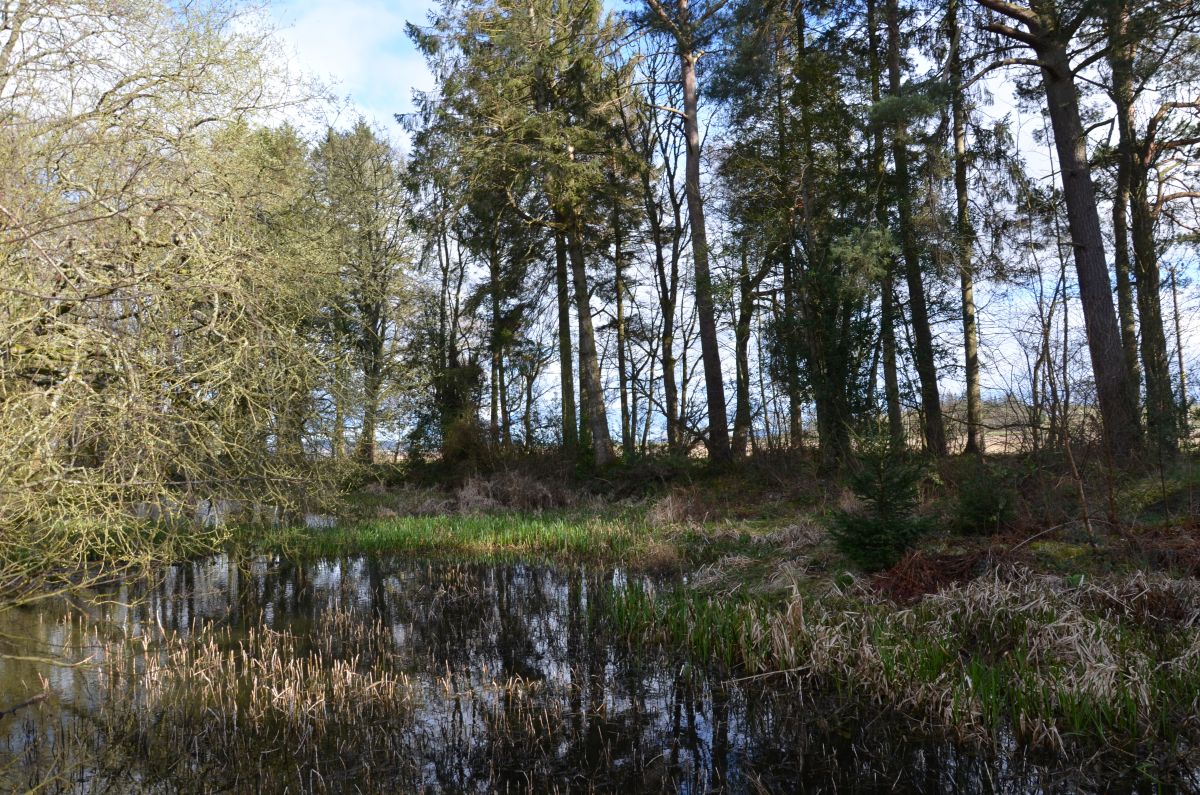
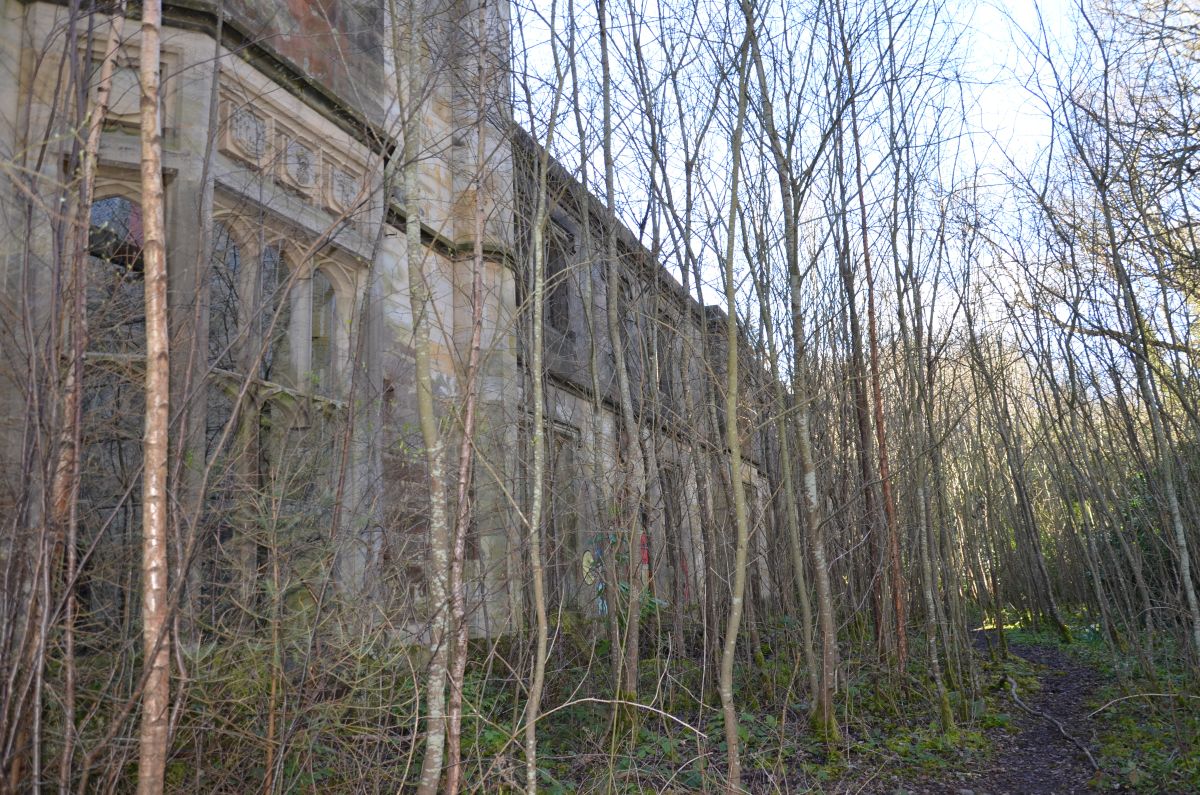
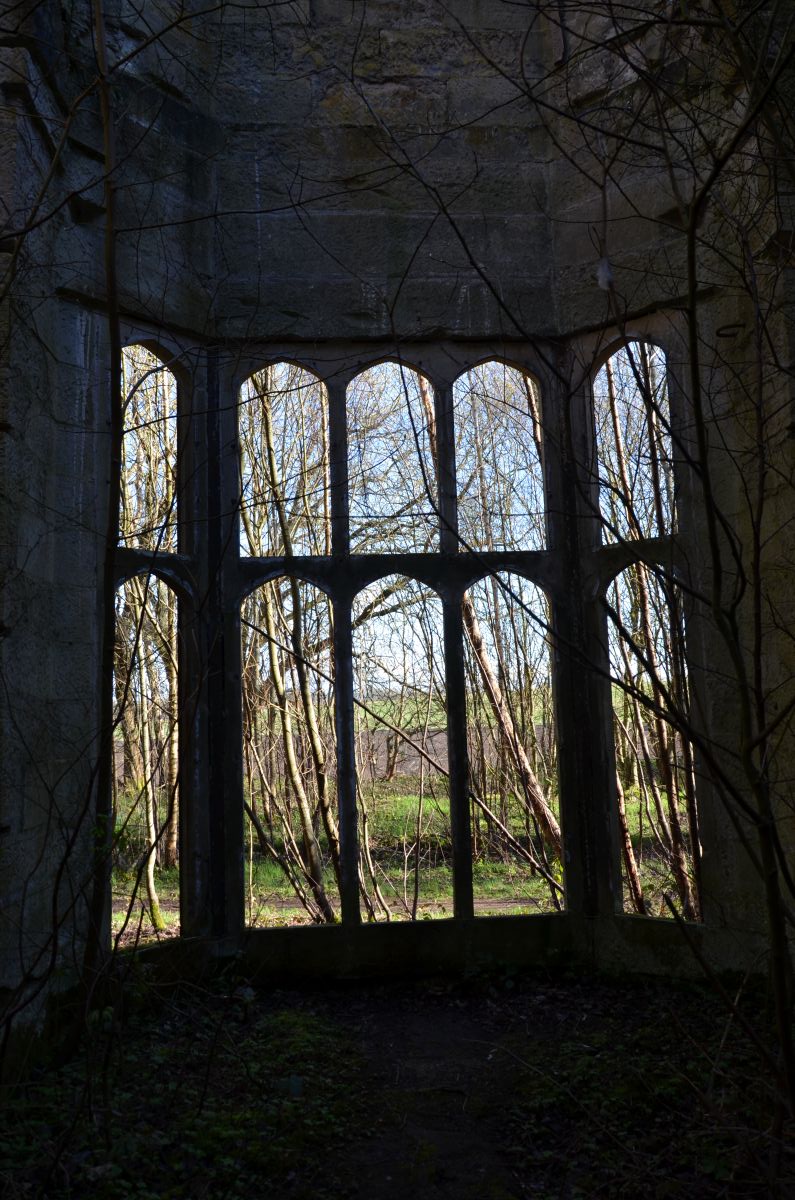
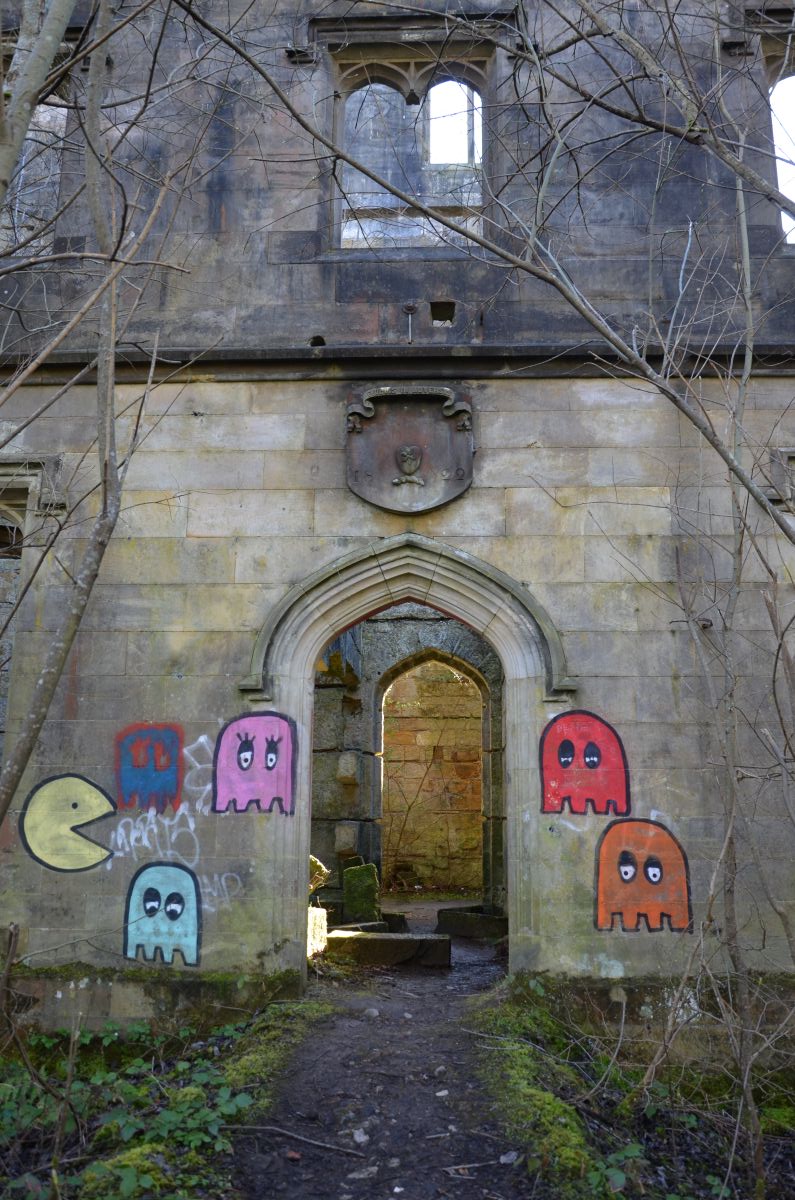
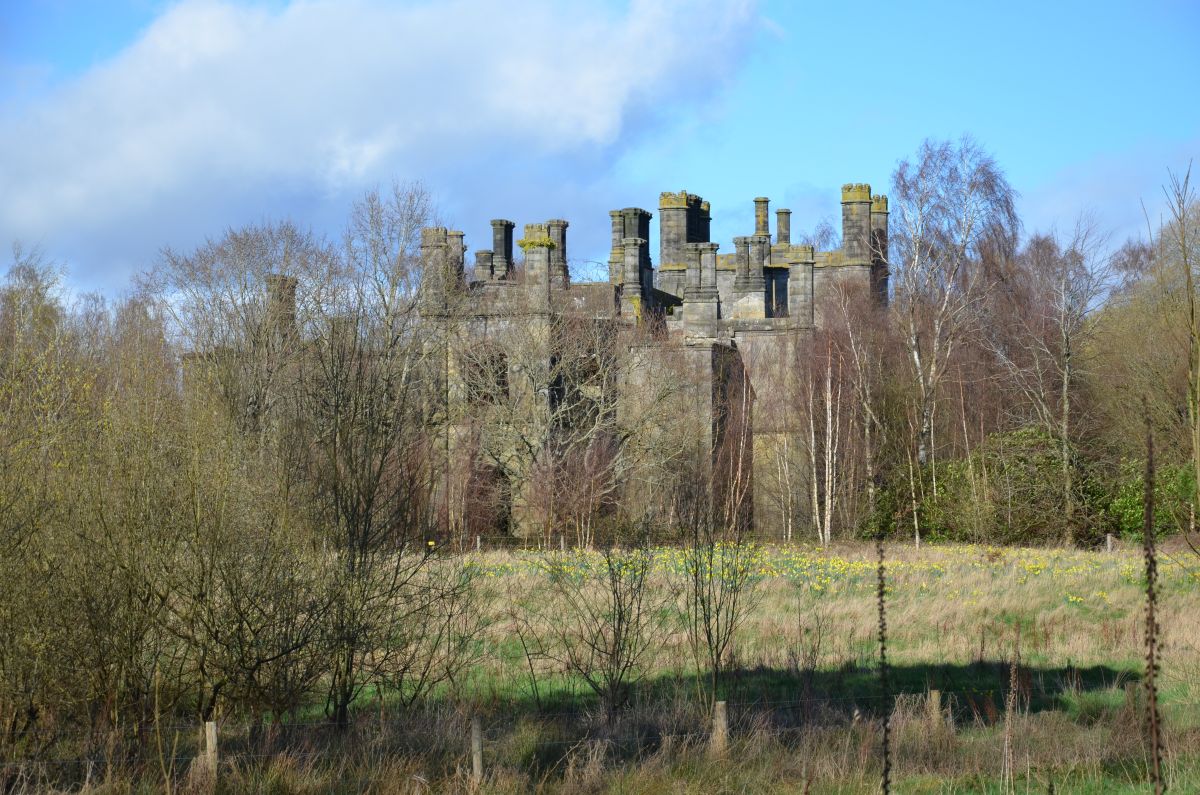
After admiring the folly, we walked through the small woods to find the ruins of Dunmore House. This grand Tudor-Gothic mansion was built later, in the 1820s, for the 5th Earl. It remained a family home for nearly a century before serving as a girls’ school, but it was eventually abandoned in the 1960s. We cautiously entered to observe the modern art that now covers the crumbling walls. Even as a roofless shell, these ruins remain majestic, casting a ghostly and atmospheric spell over the estate.
Day 2: Stirling The Royal Heart of Scotland
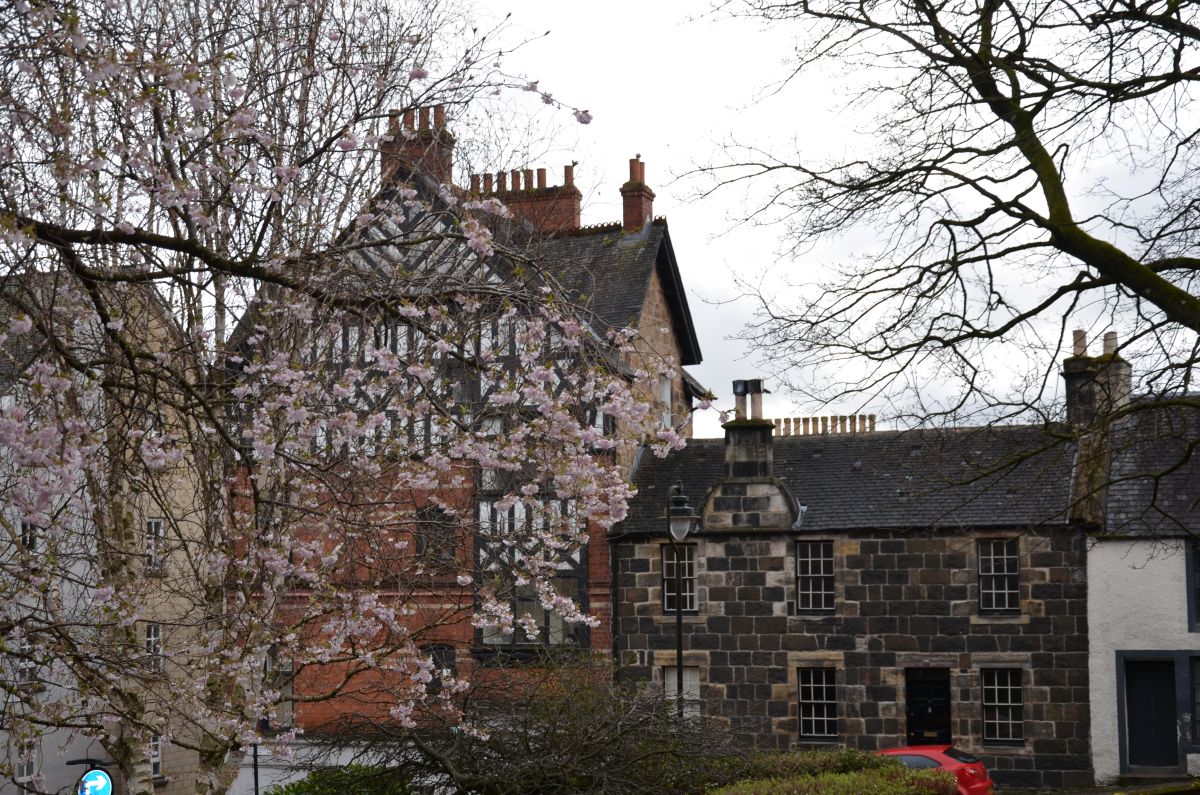
On day two, the weather was bitingly cold with a storm fast approaching. With high winds and heavy rain forecast for the afternoon, we decided on a quick morning excursion to Stirling.
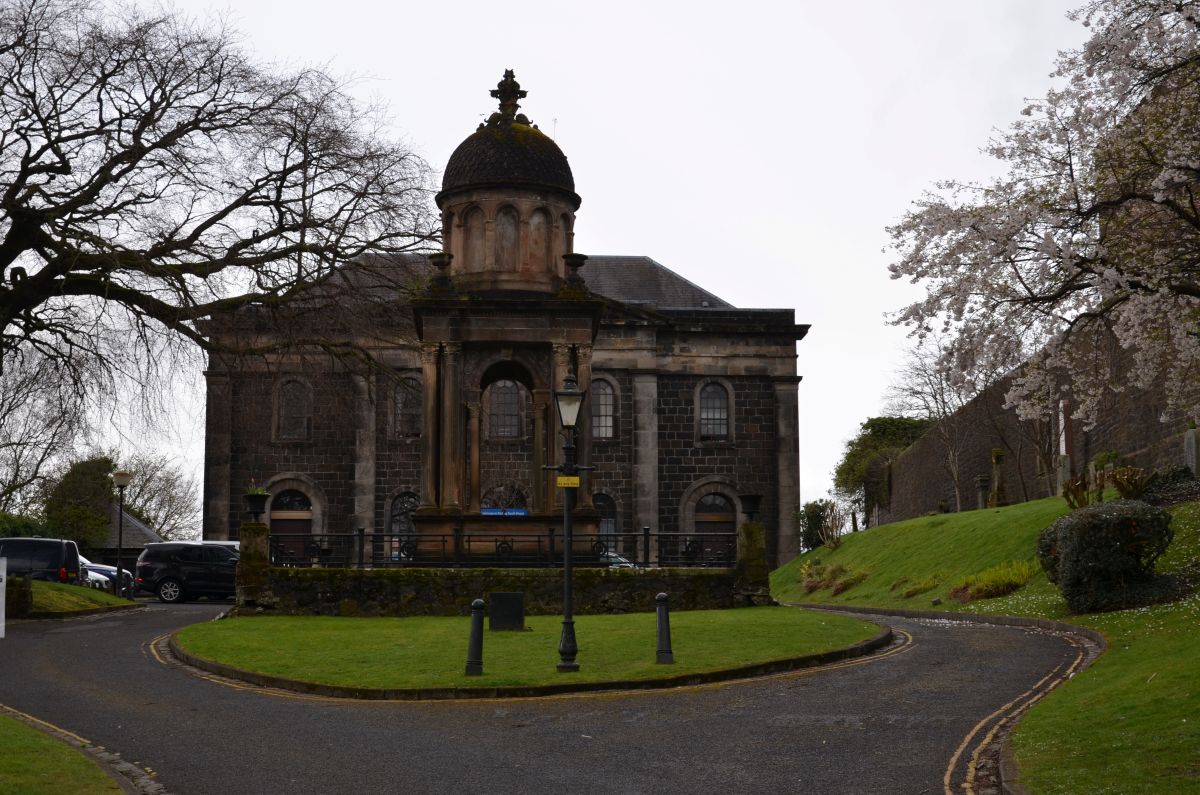
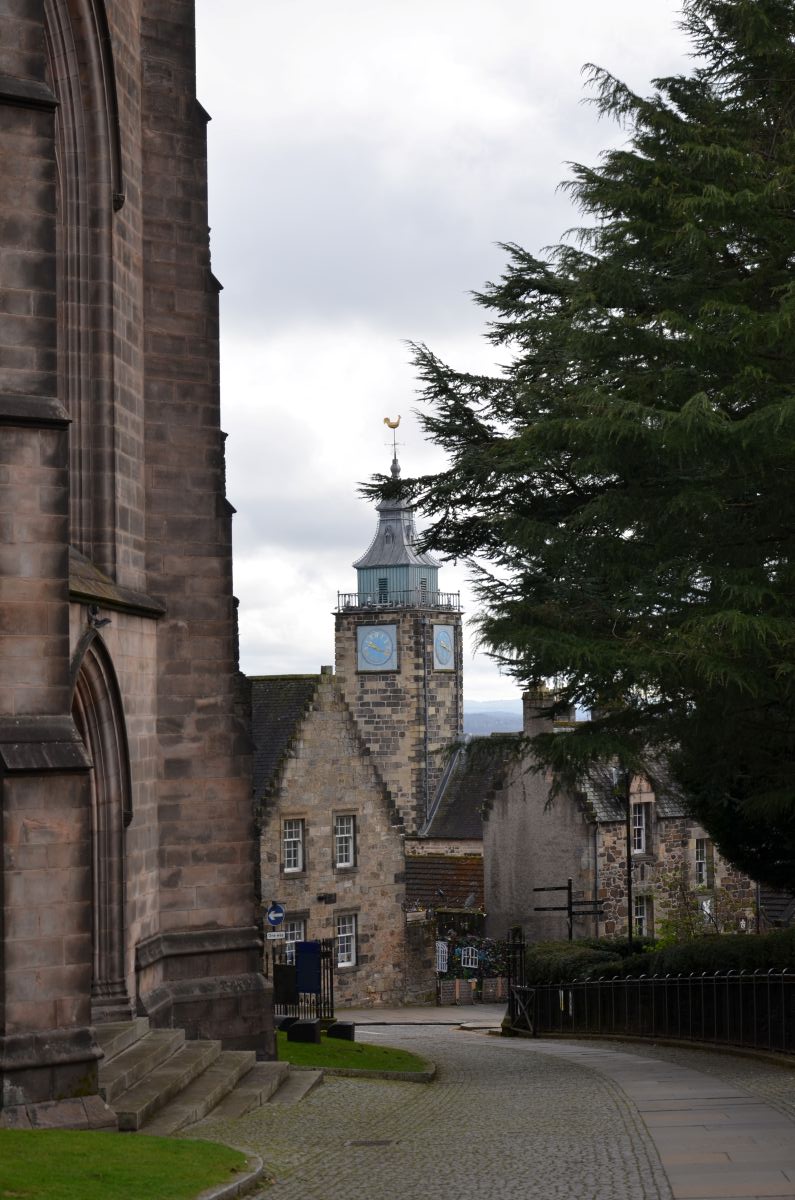
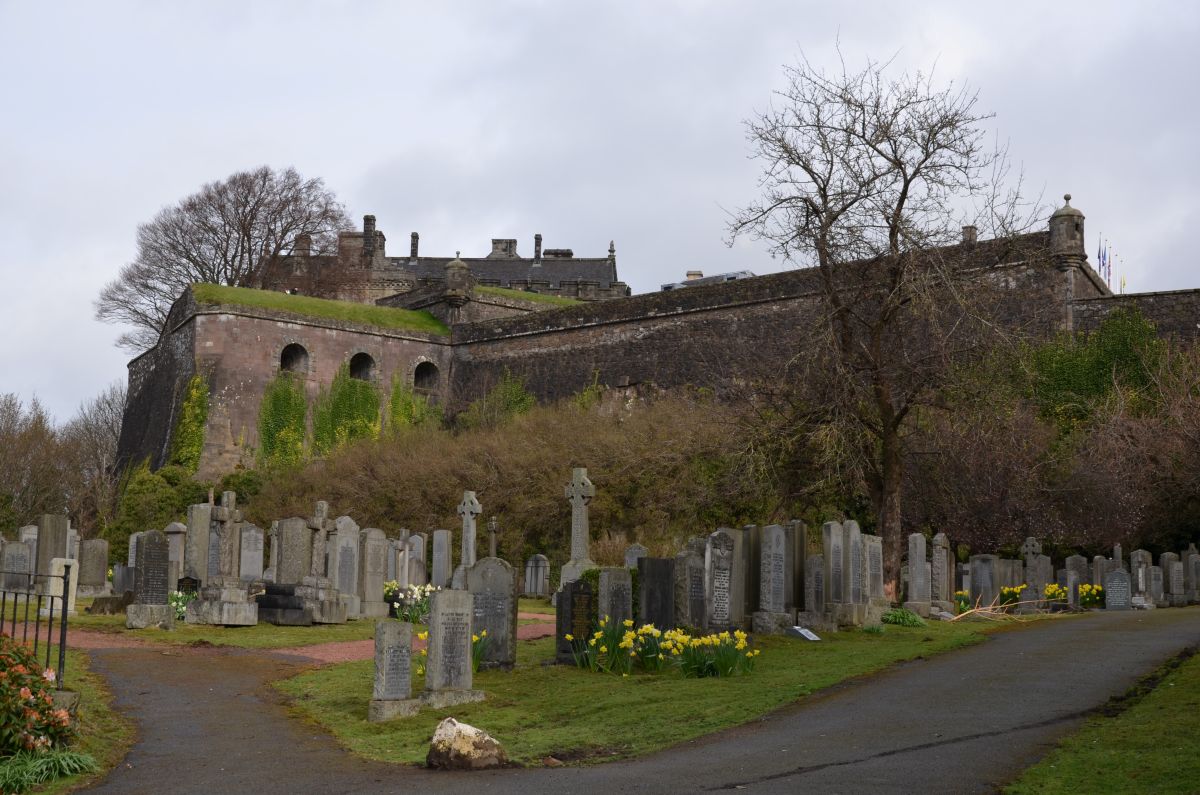
We parked in the Old Town and began the steep walk up toward the castle. On the way, we detoured past the Church of the Holy Rude. Founded in 1129, it is the second oldest building in Stirling and the only church in the UK (besides Westminster Abbey) to have hosted a royal coronation. King James VI was crowned there in 1567.
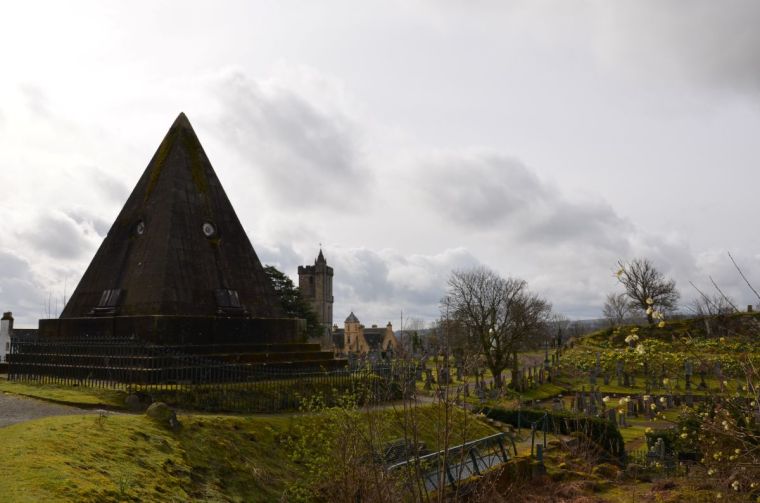
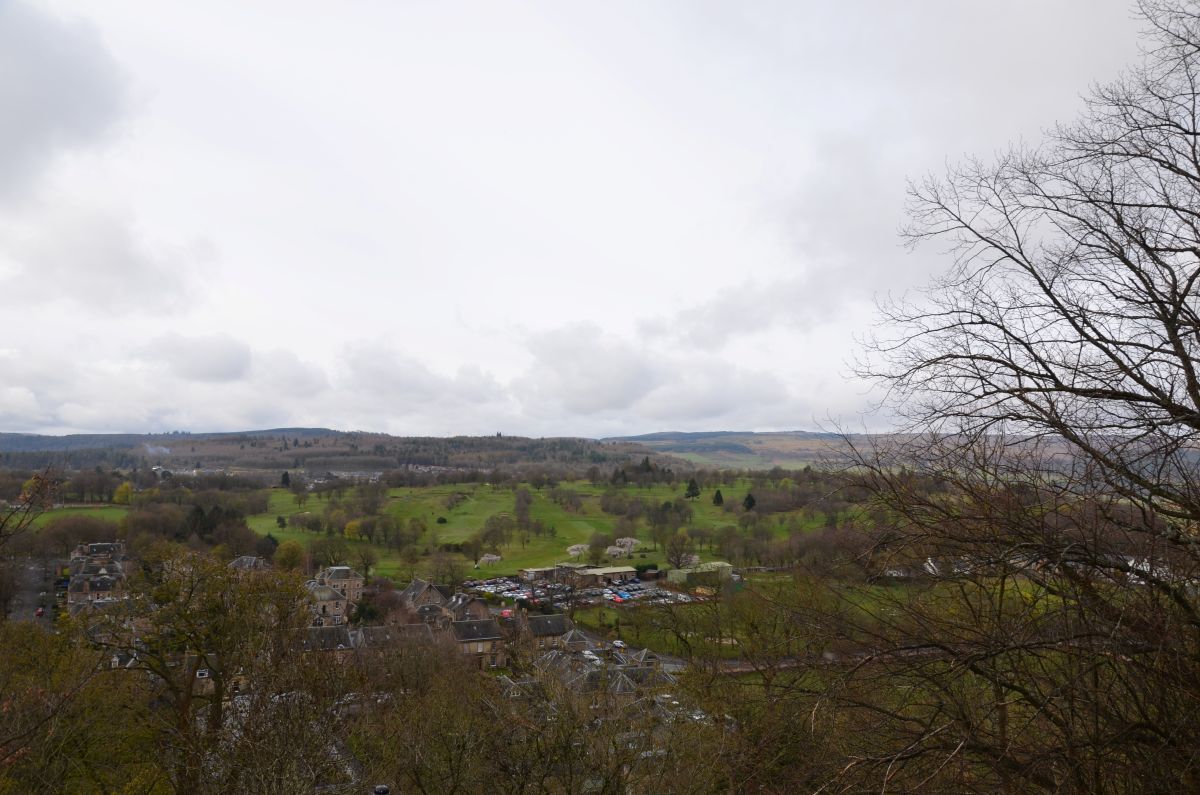
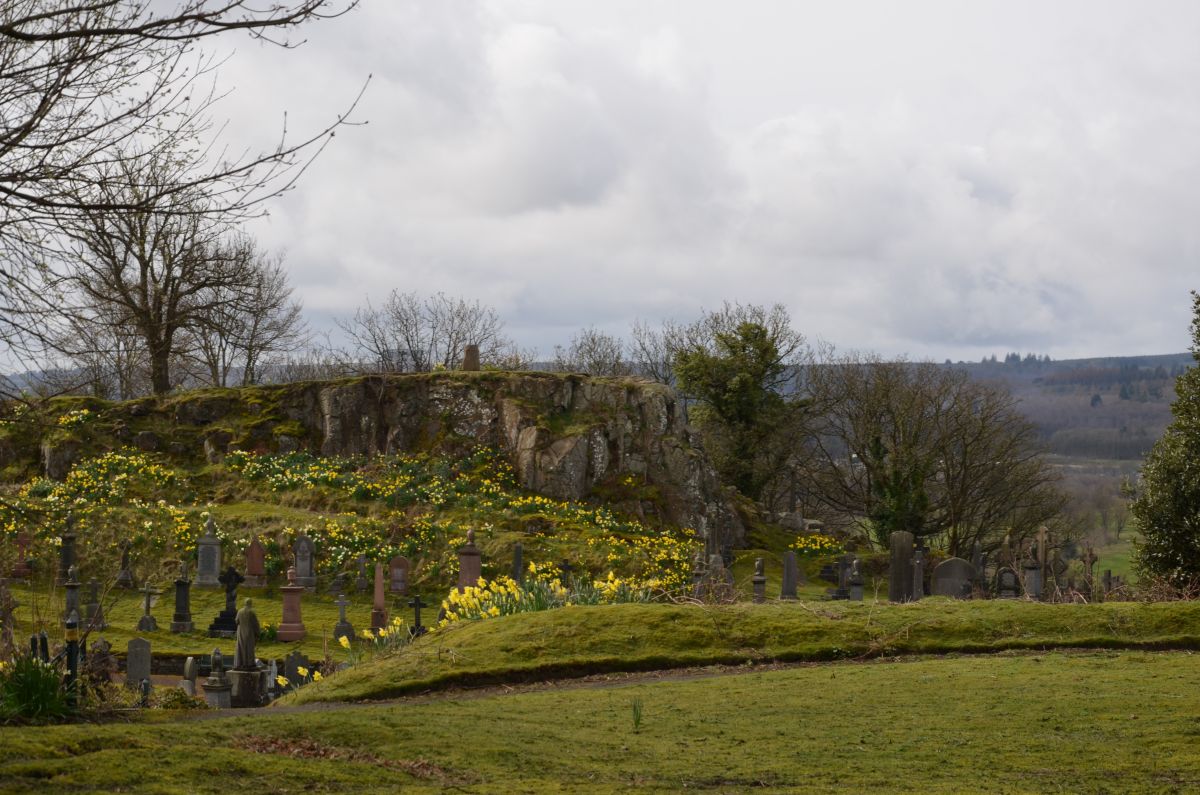
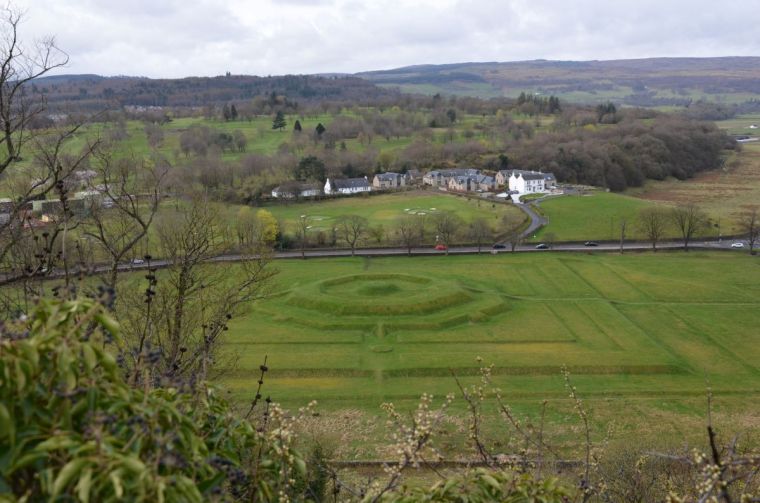
From there, we found the Back Walk, which is one of the oldest town walks in Scotland, dating back to the 18th century. Following the path along the graveyard, we were treated to a clear view of the Queen’s Knot. This geometric earthworks below the castle once formed a magnificent royal formal garden for the Stewart kings. We then looped back through the graveyard to see the Star Pyramid (also known as the Martyrs’ Monument). Built in 1863 by William Drummond, it’s a fascinating piece of sandstone architecture dedicated to those who died for religious liberty in Scotland.
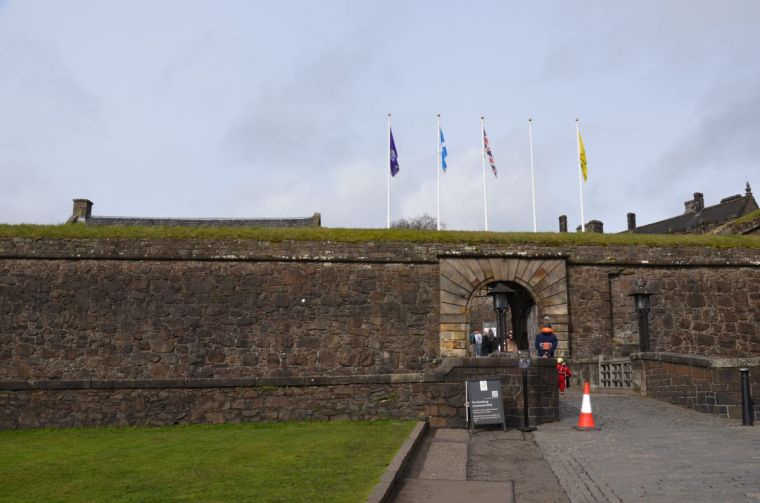
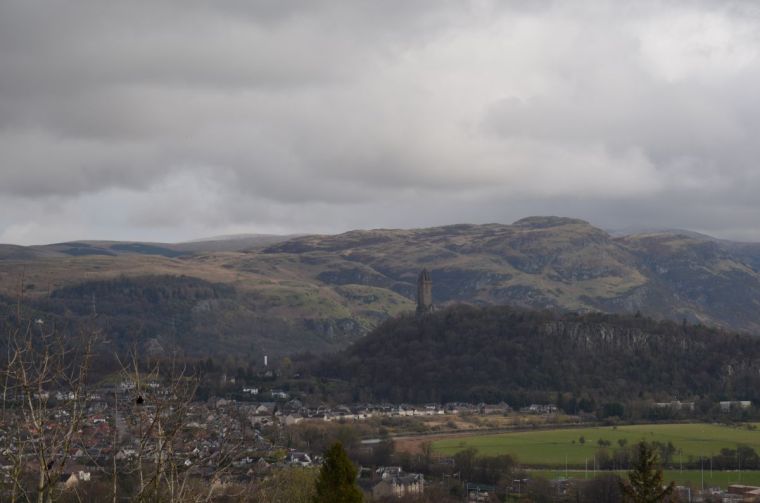
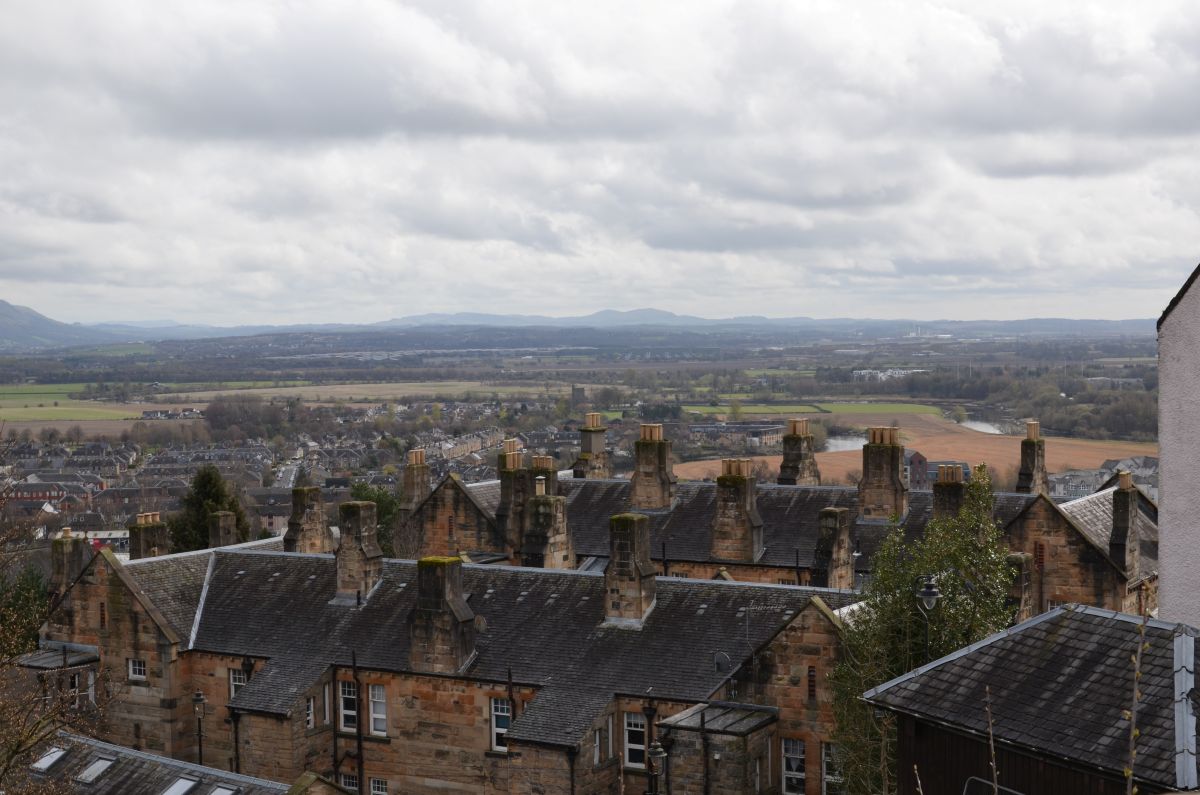
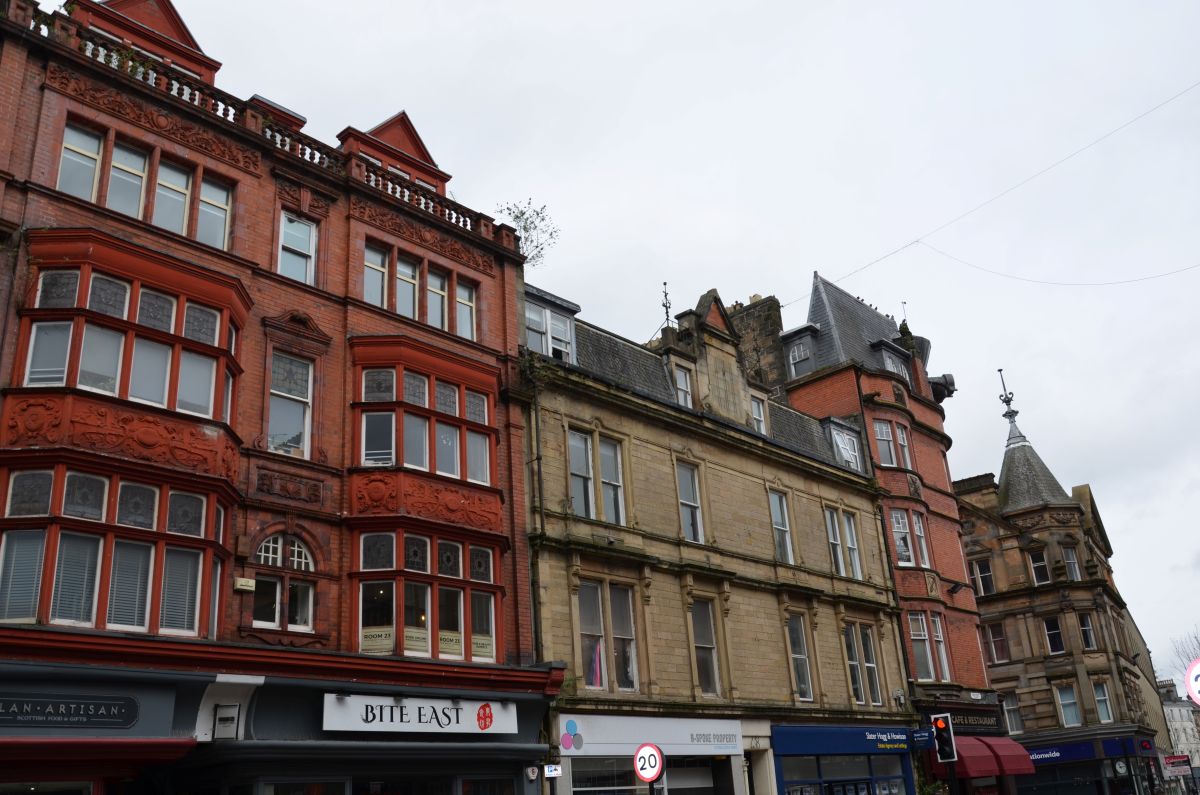
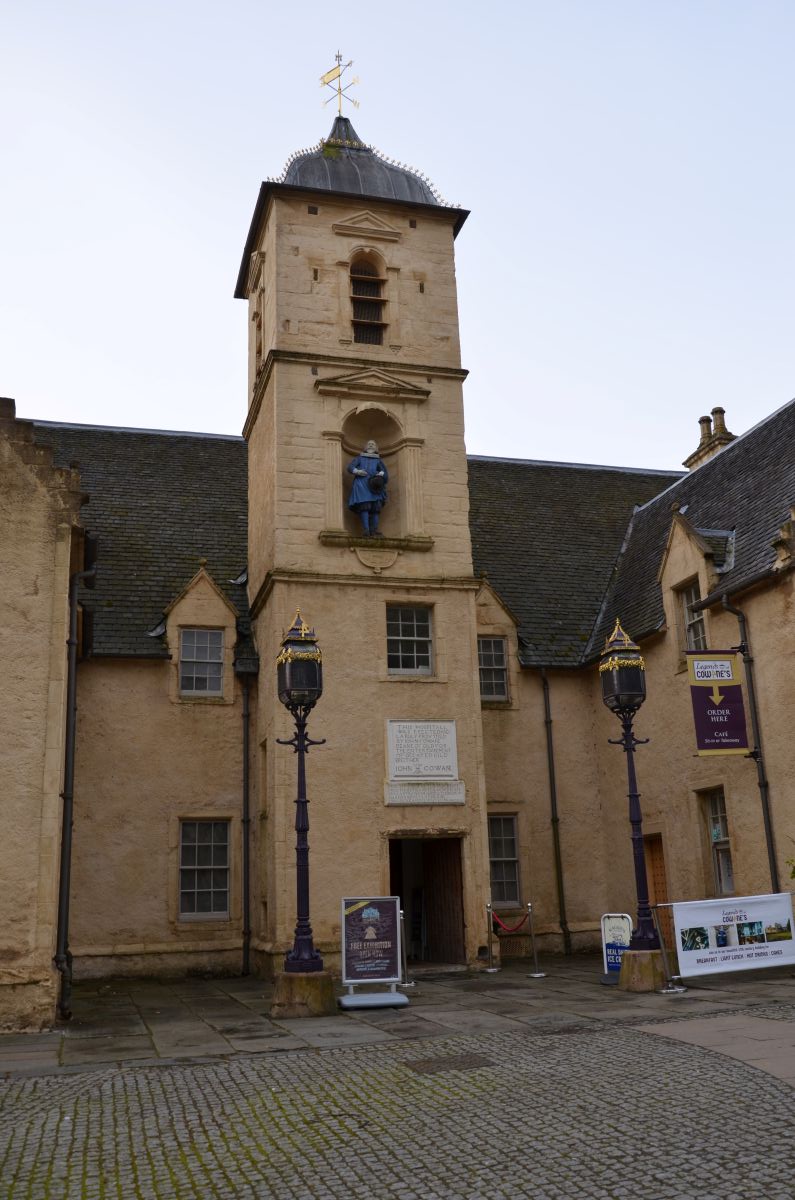
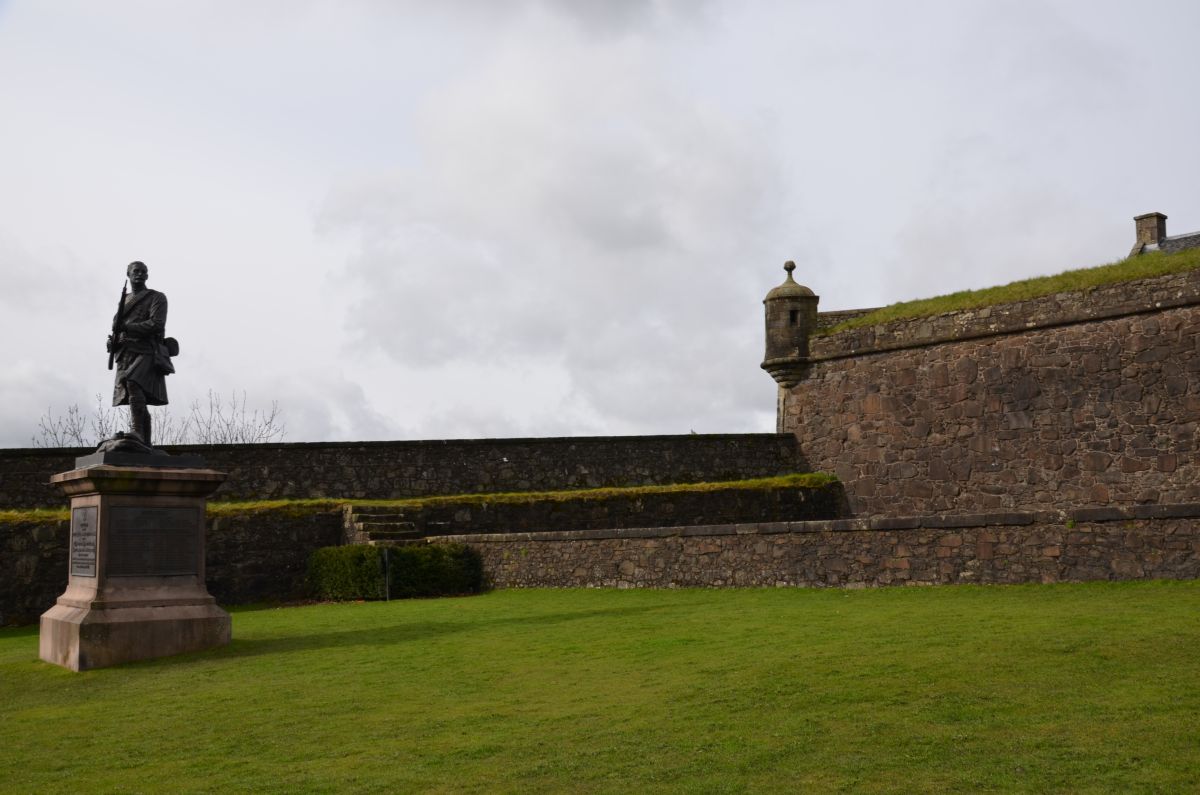
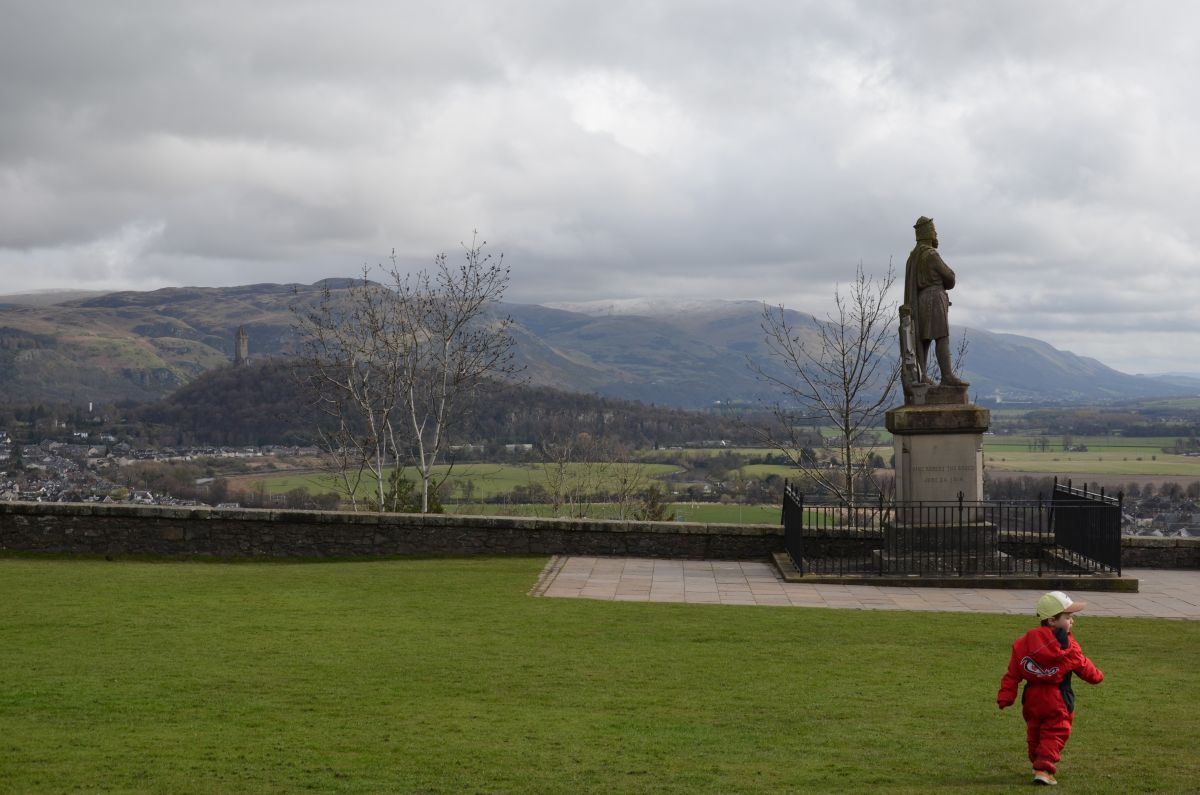
Finally, we joined the crowds at the entrance of Stirling Castle. Perched atop an extinct volcano, this fortress was the childhood home of Mary Queen of Scots and served as the strategic ‘Gateway to the Highlands’ for centuries. As we had Skye with us, we didn’t go inside the castle itself; instead, we admired the breathtaking views over to the Wallace Monument before walking back down through the shopping streets of the Old and New Town.
By the afternoon, the rain was at full blast, so we stayed at home and to celebrate the holiday and keep Marcus entertained, we held an indoor Easter egg hunt. As you can guess, he was absolutely delighted!

Day 3: Film Locations & Grand Estates
Once again, the weather wasn’t looking great, so we decided to split the day into two short explorations, one in the morning and one in the afternoon, to make the most of the dry spells.
The Village of Culross
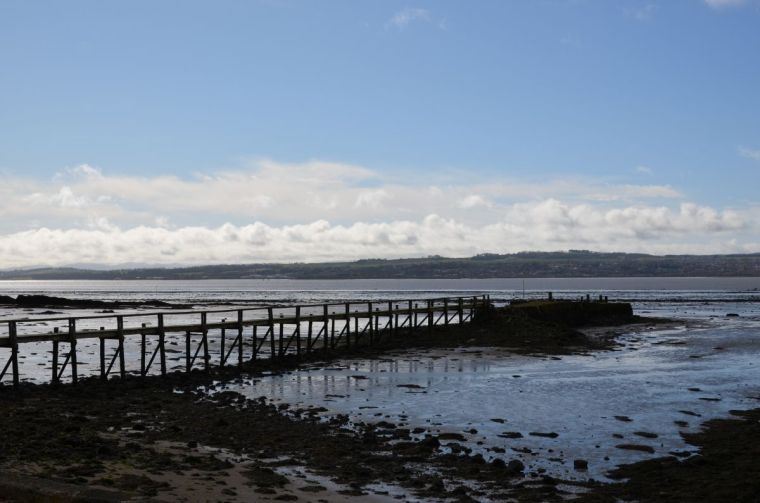
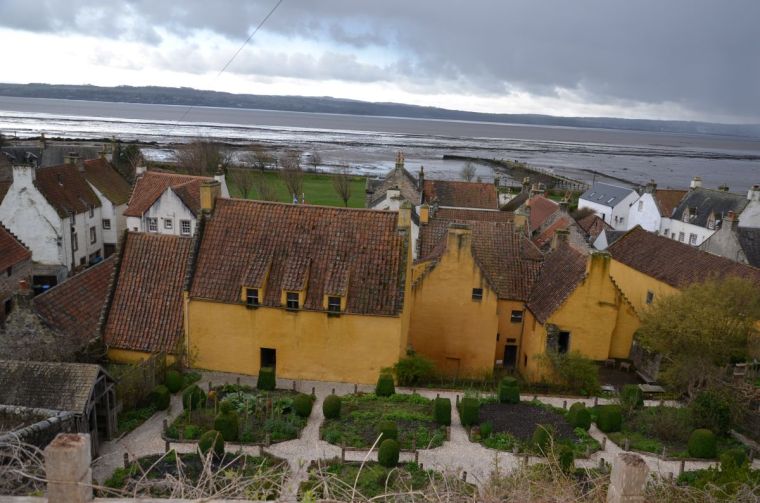
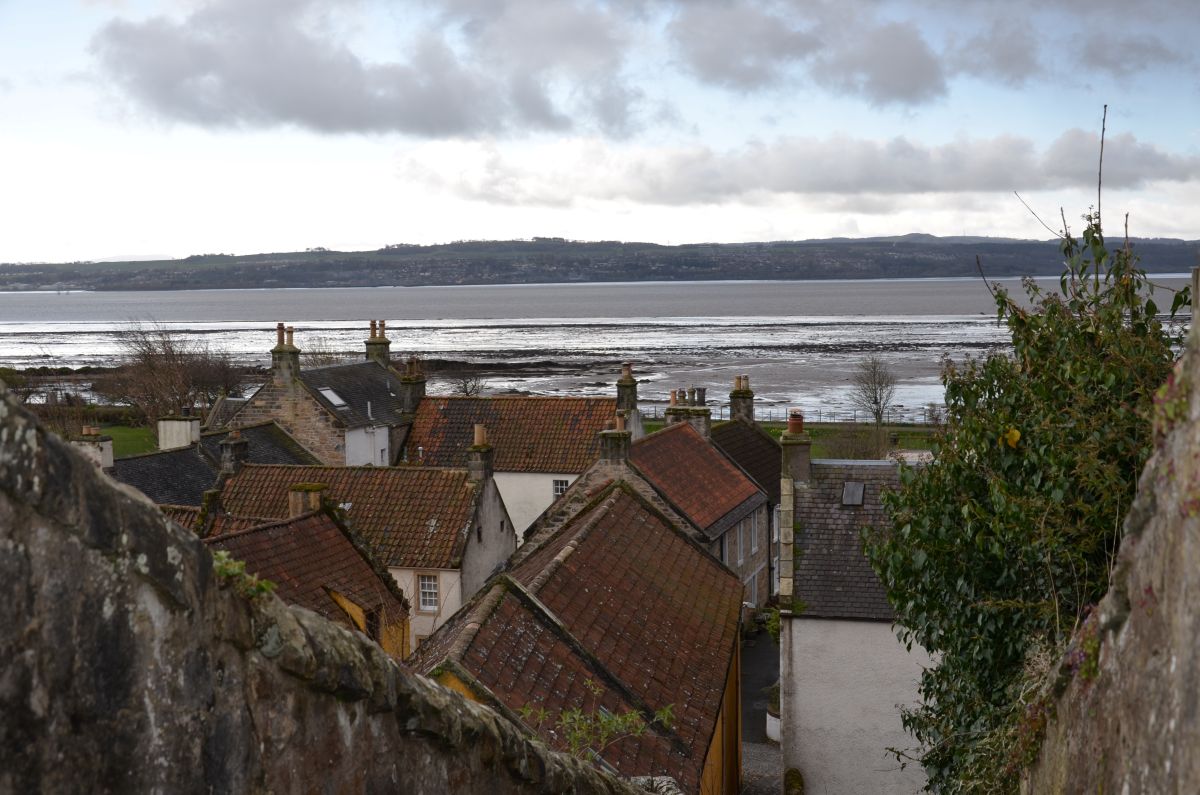
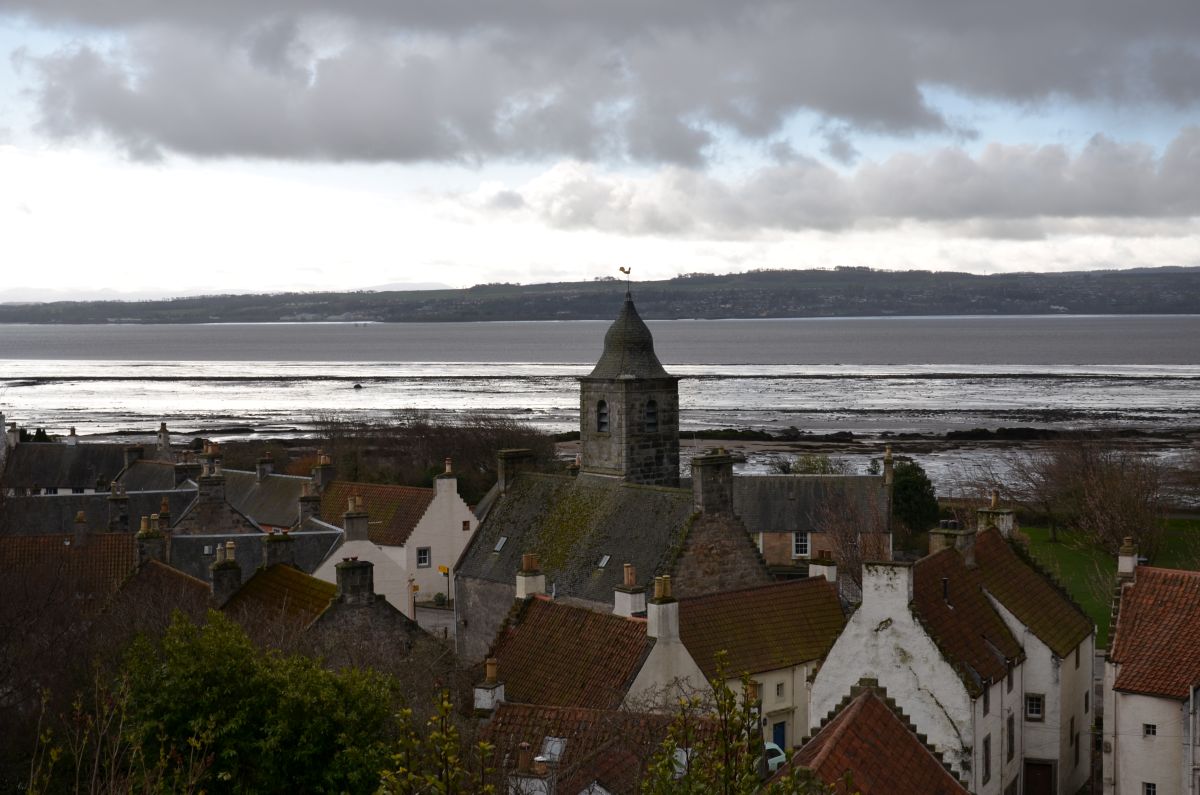
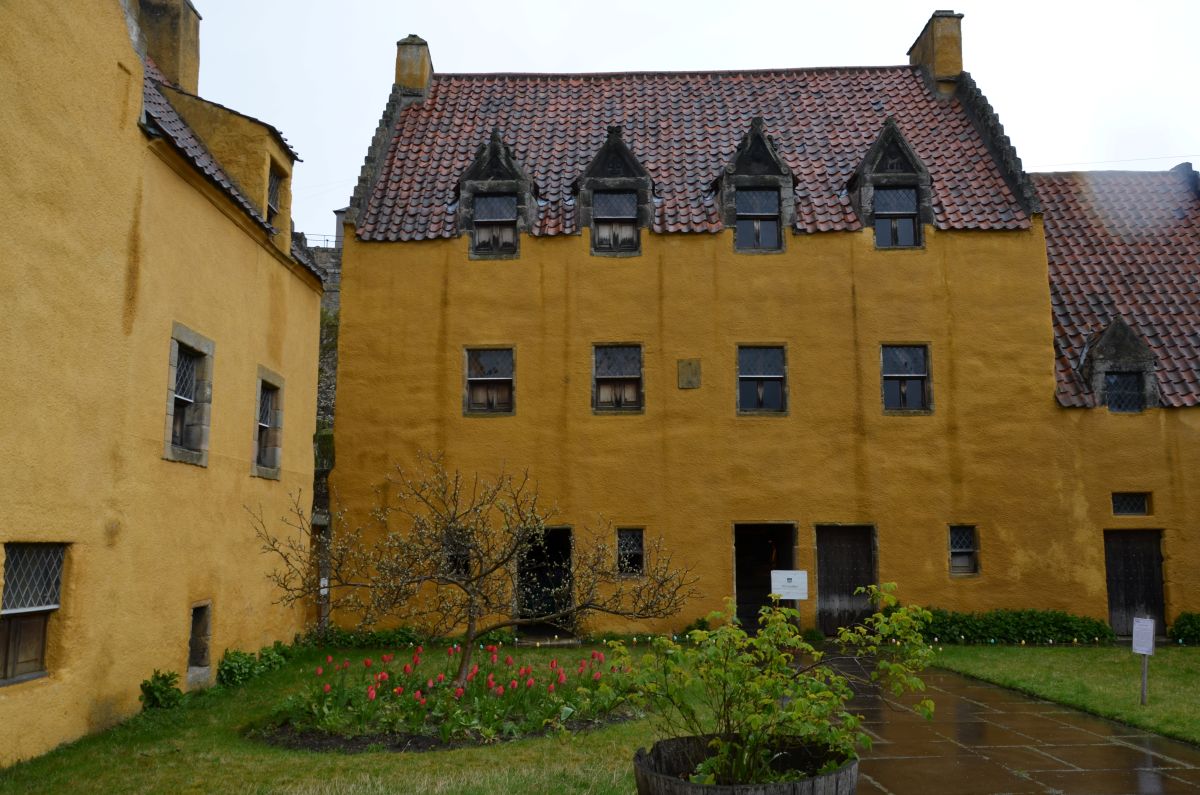
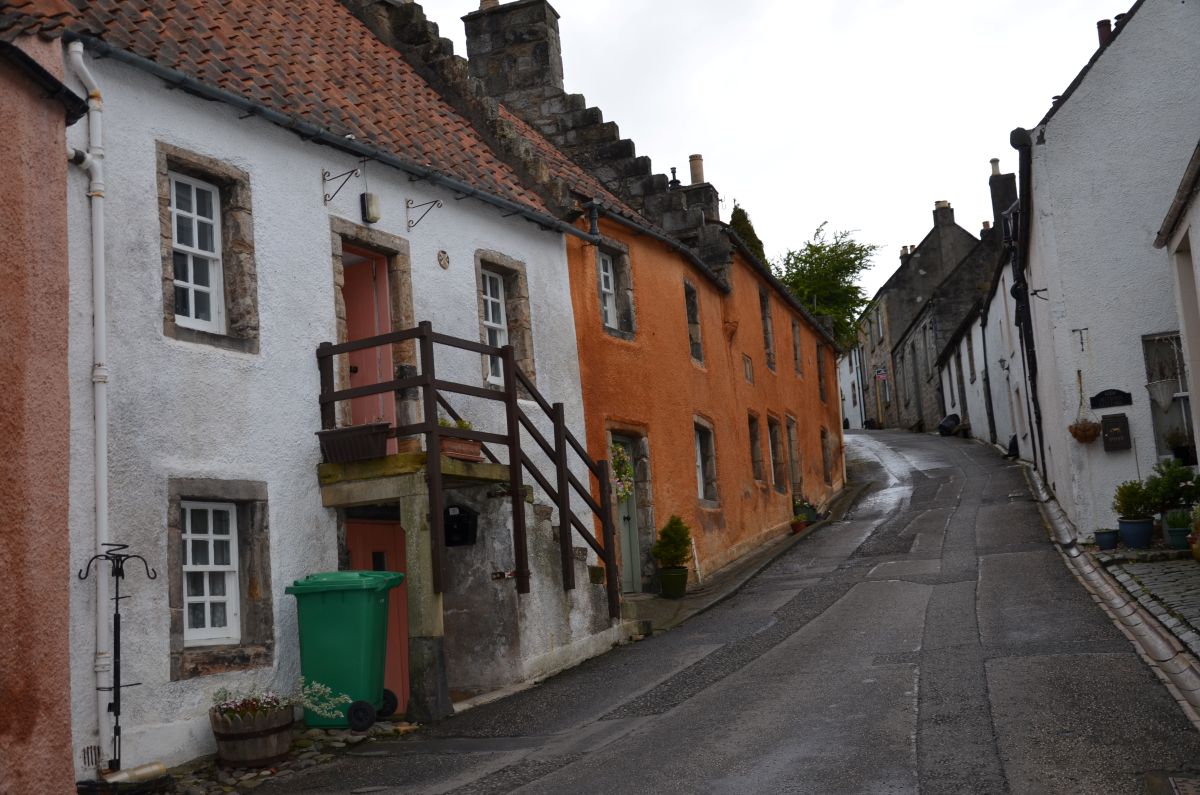
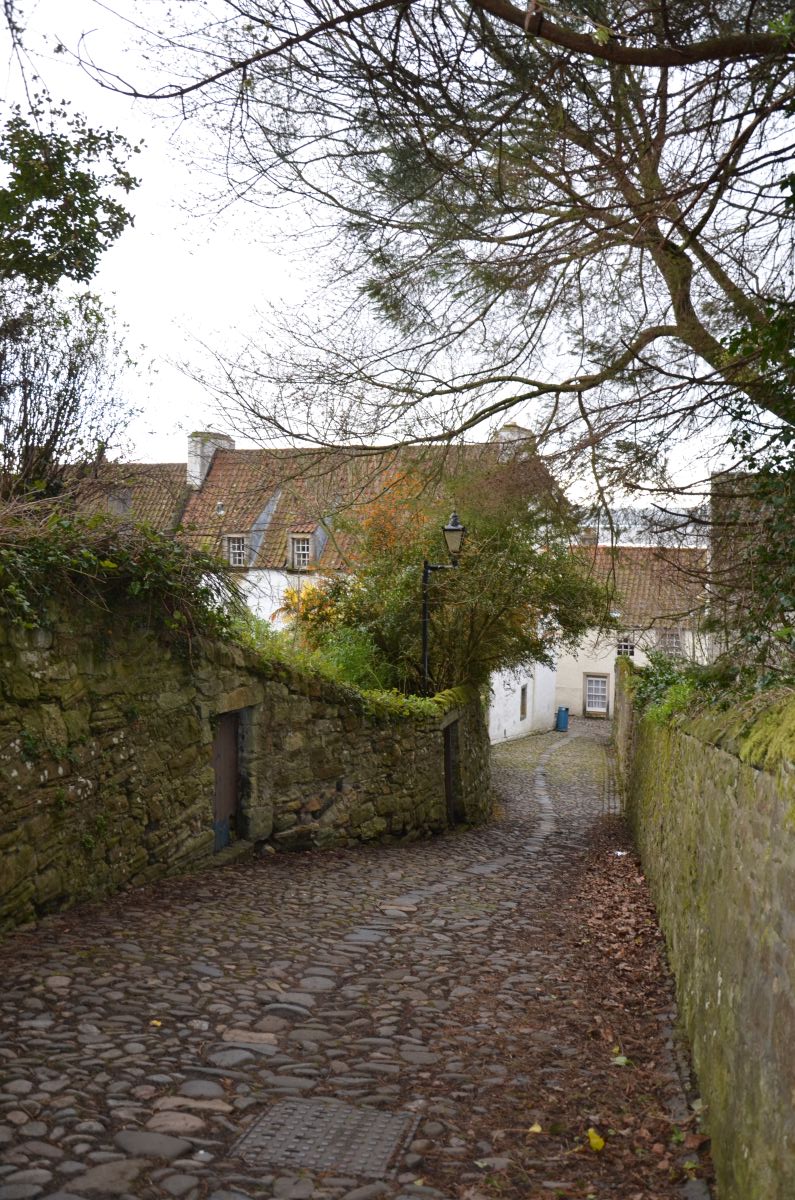
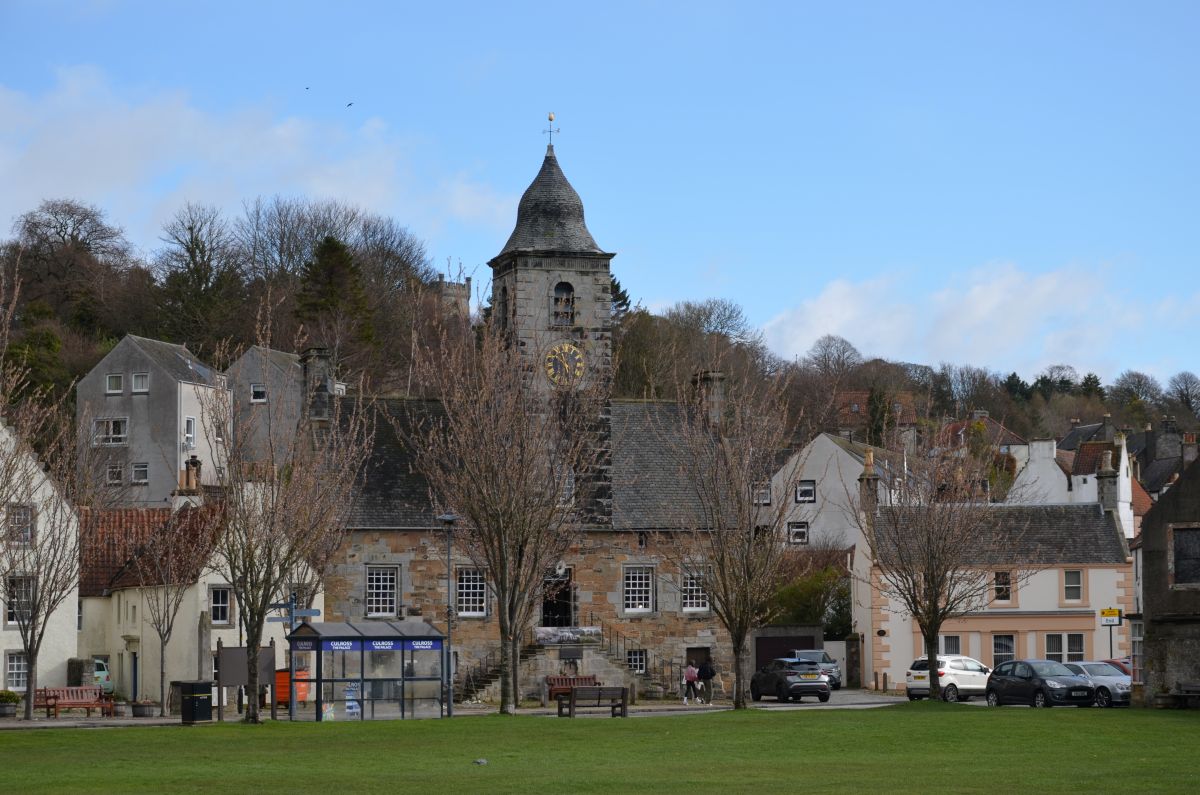
For our morning stop, we visited Culross. This National Trust village, with its iconic yellow palace, narrow cobbled streets, and sweeping views over the Firth of Forth, is absolutely gorgeous. It feels like stepping back in time. It is frequently used as a filming location for Outlander.
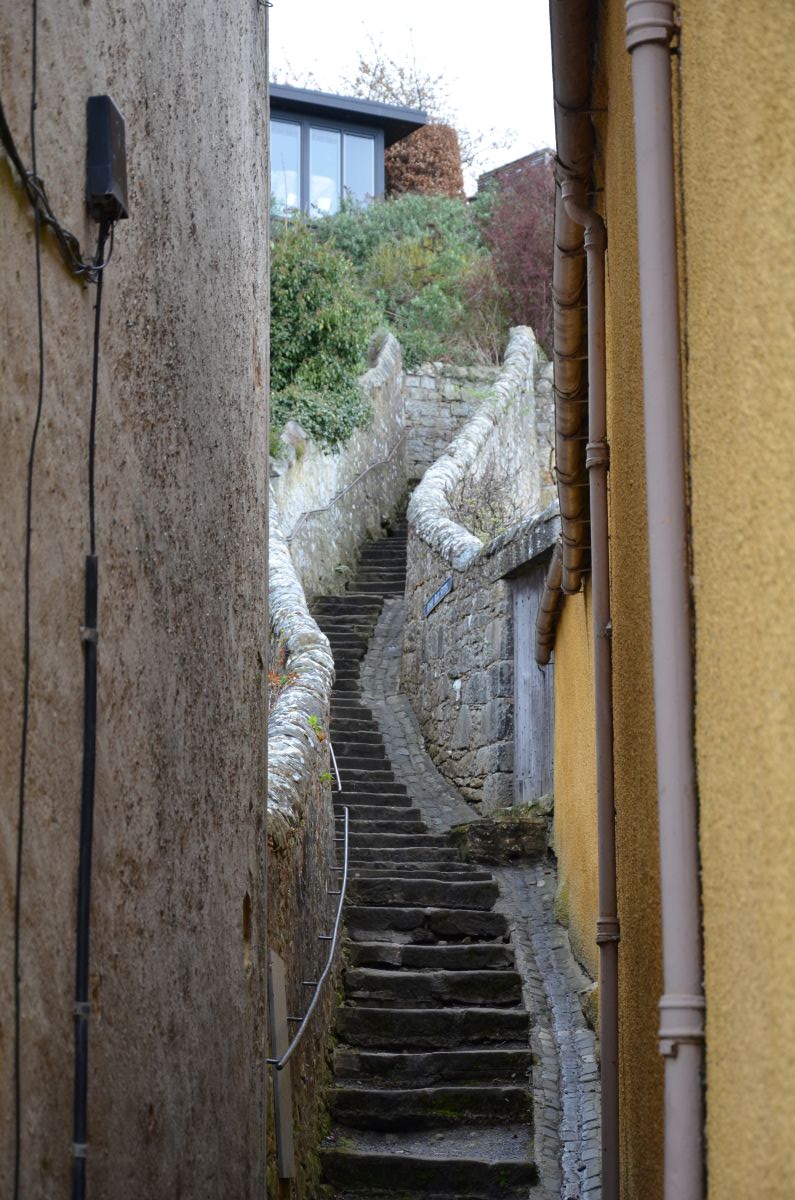
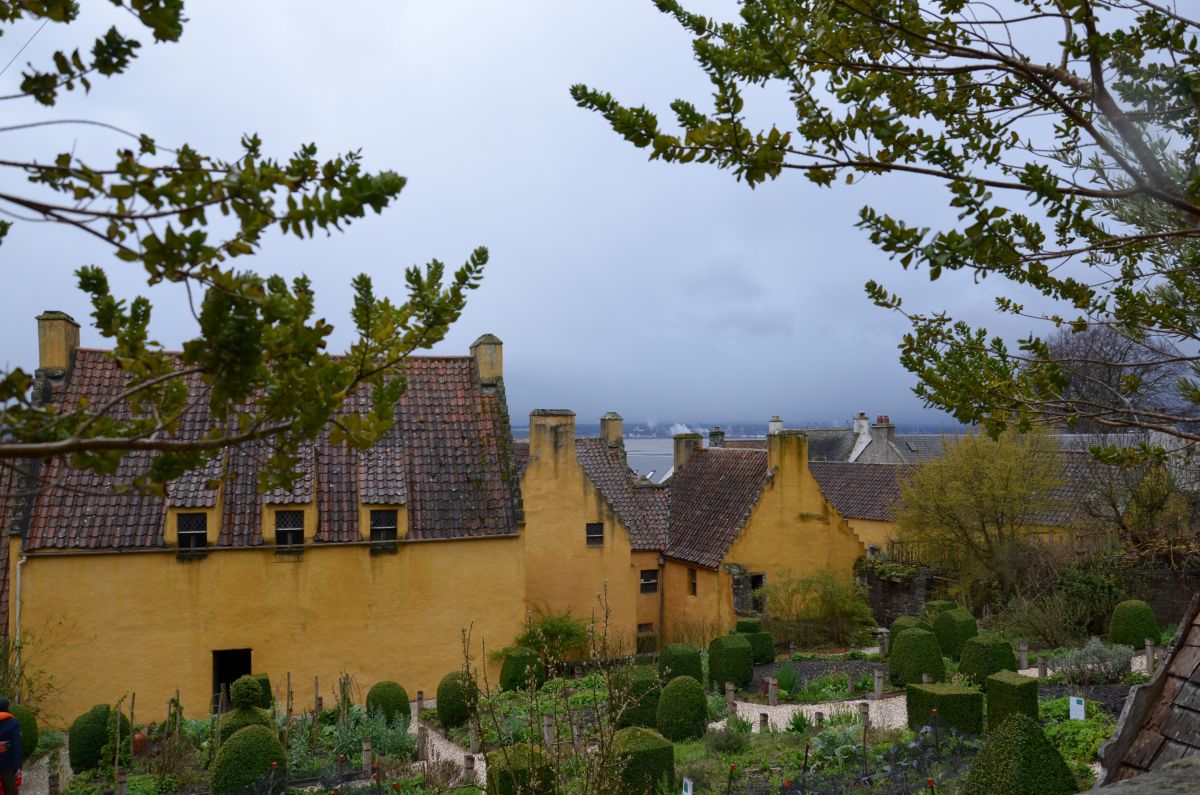
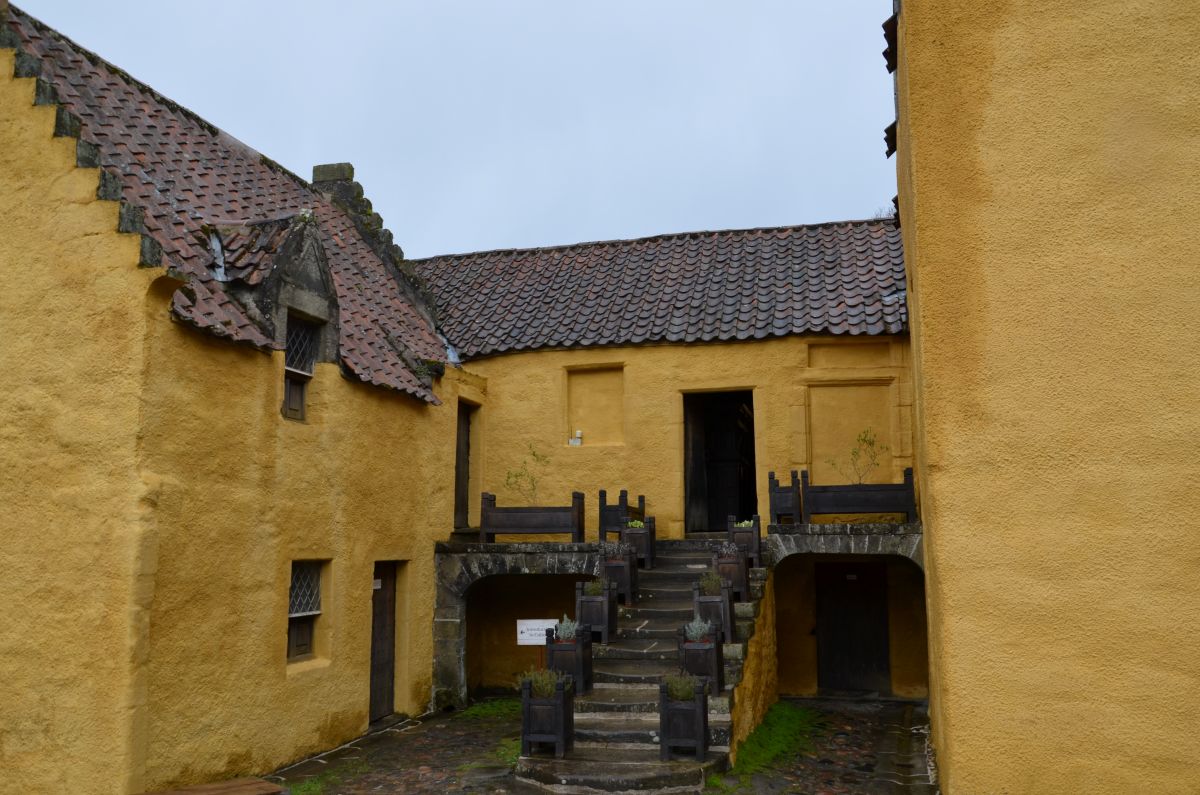
We began by wandering through the upper part of the village, navigating the narrow, strenuous streets that wind past white-washed cottages. We then made our way to Culross Palace. Despite its name, it was never a royal residence. It was built between 1597 and 1611 by Sir George Bruce, a wealthy merchant and coal magnate. He was a true pioneer, having developed the world’s first coal mine to extend under the sea.
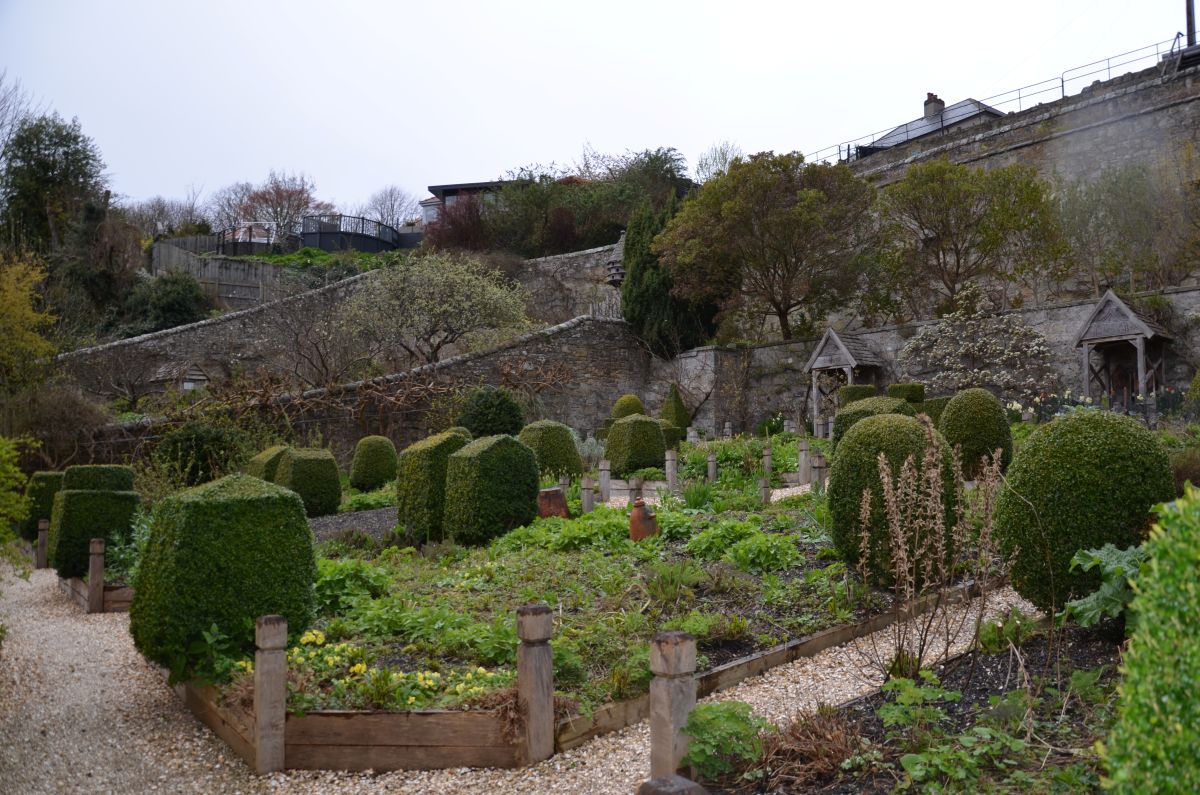
Our visit started with a short video detailing the history of the area and the palace’s transition from a bustling trade hub to a preserved gem. We then explored the interior, which is famous for its stunning original painted woodwork and small, cosy rooms. We finished our tour in the Palace Garden, a beautiful re-creation of a 17th-century terrace garden, complete with herbs, vegetables. The village and Palace really are a must-visit.
Callendar House & Park
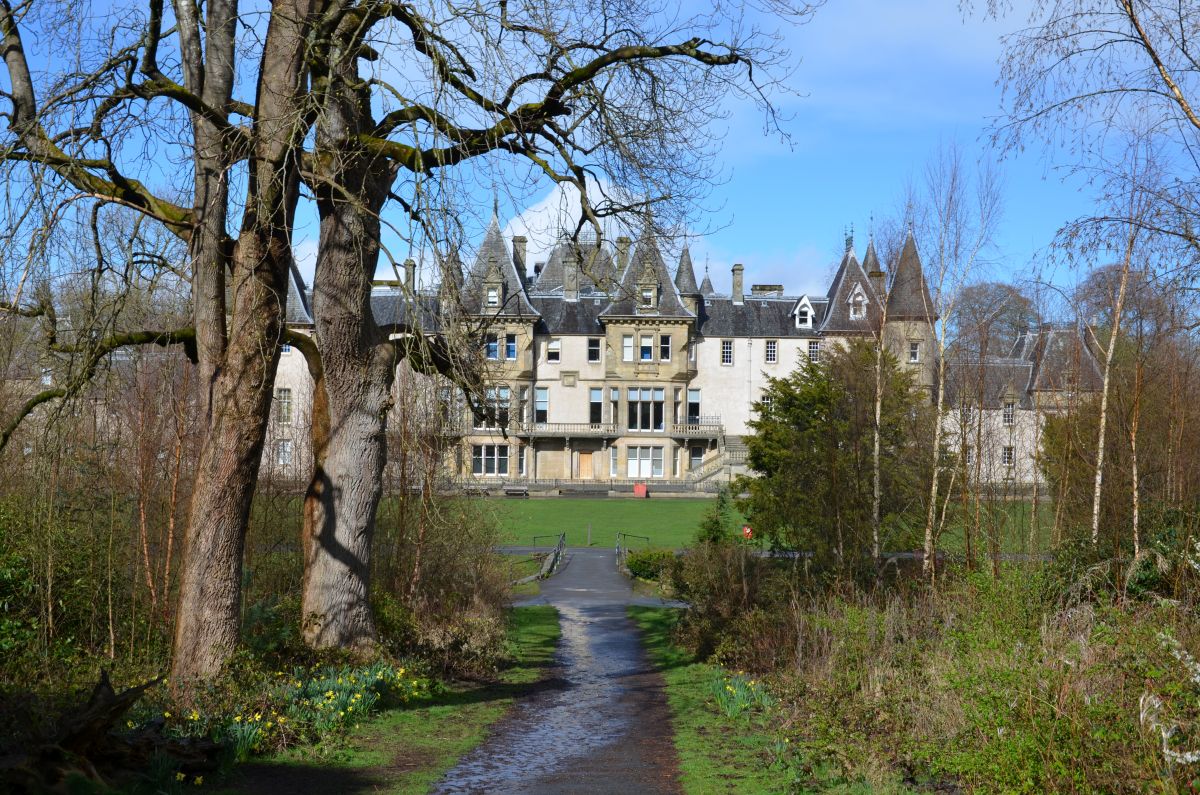
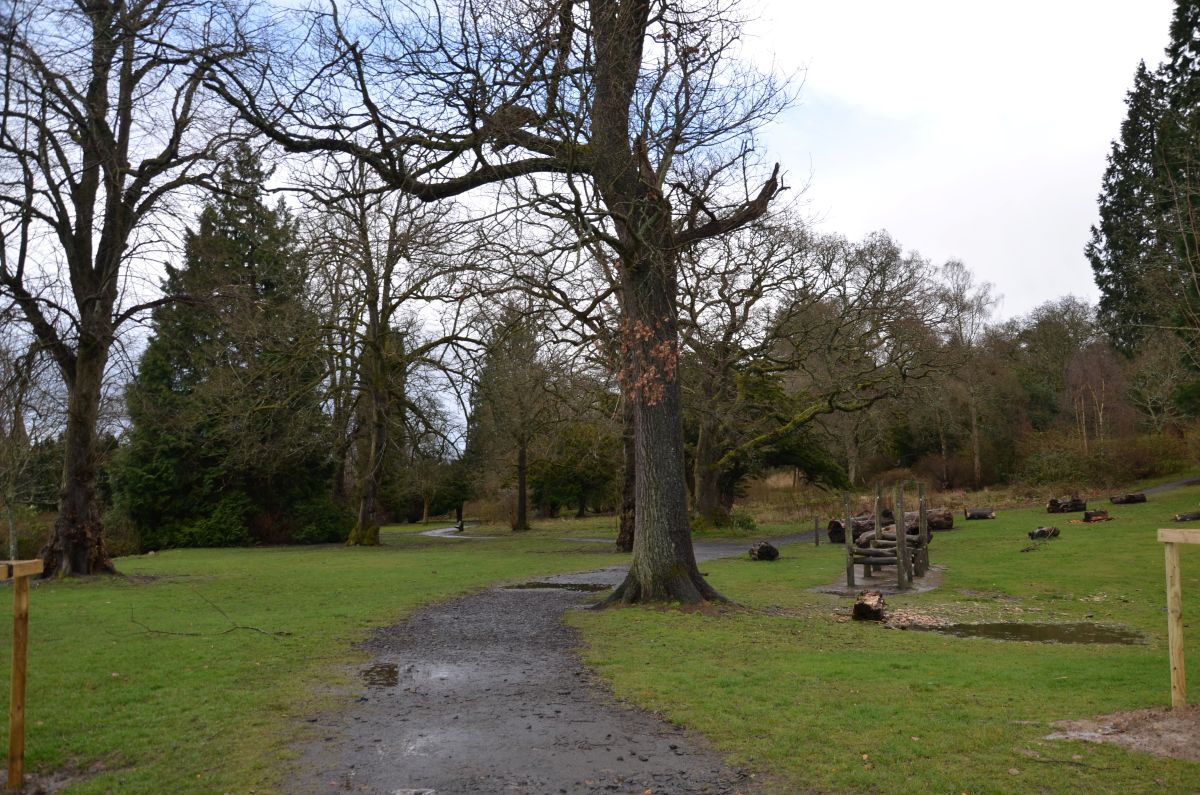
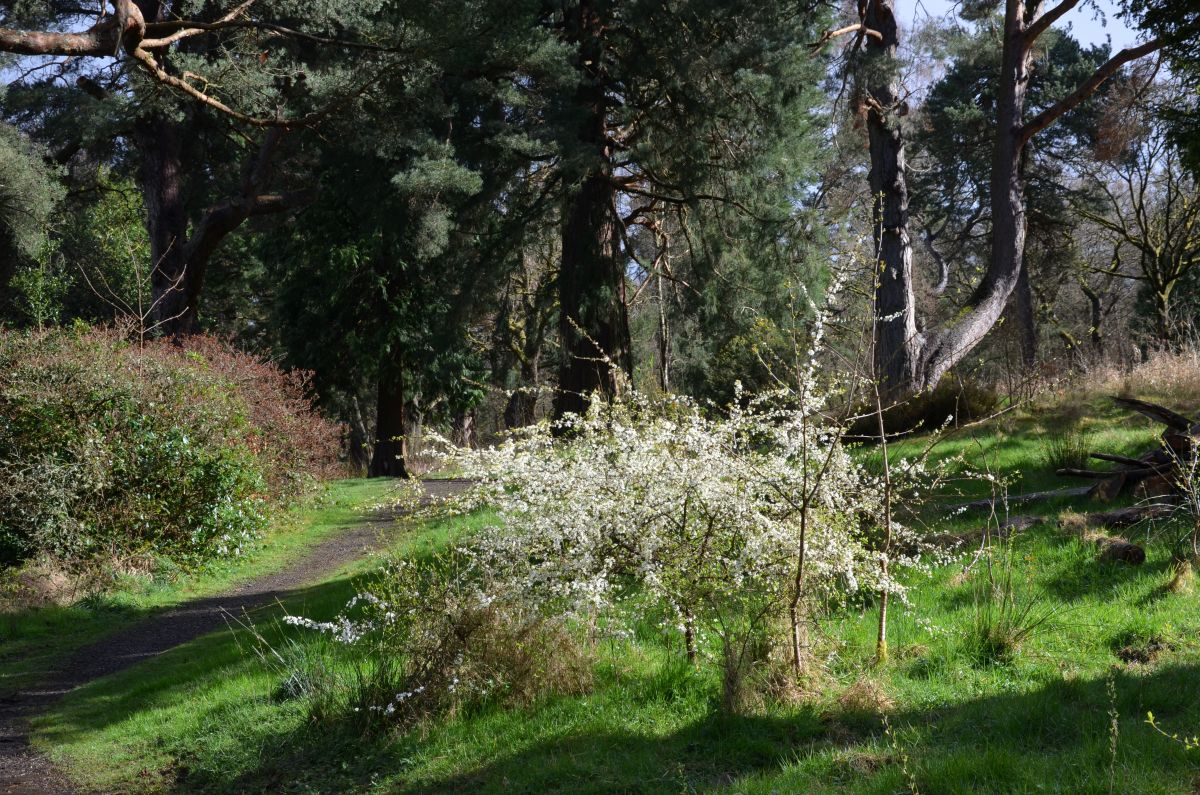
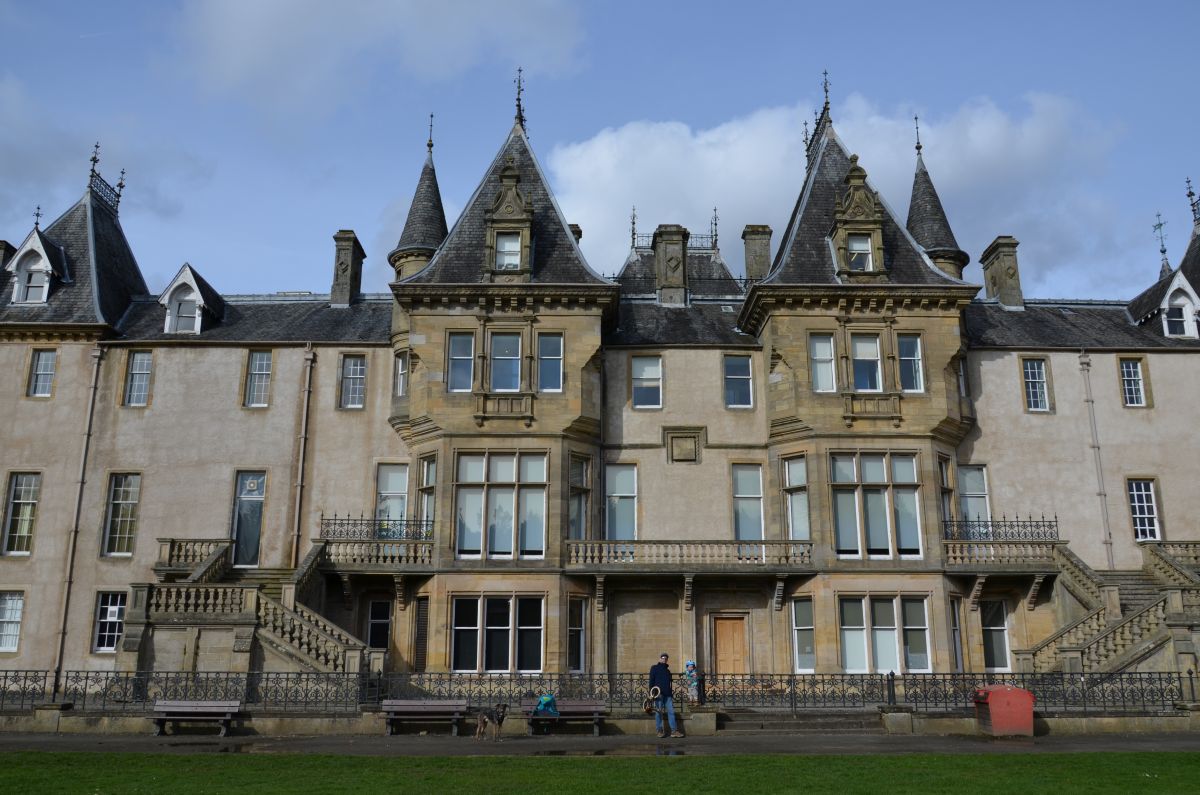
Finally, we ended our Falkirk’s adventures with a visit to Callendar House and Estate. It is the perfect spot for families with a dog, offering plenty of easy walking paths, an outdoor café, and a fantastic playground that Marcus loved. This incredible abundance of walking paths in Falkirk and around is what we appreciated the most. The Callendar estate itself is steeped in history. The current grand house was developed from a 14th-century tower house and has hosted famous figures like Mary Queen of Scots, Oliver Cromwell, and Bonnie Prince Charlie. A unique highlight is the Antonine Wall, a UNESCO World Heritage site; those remains are still running right through the estate. For fans of Outlander, the house’s 18th-century kitchen was also used as a filming location.
The next day, we packed up our things and began the drive home. It was another wonderful Scottish adventure, and we are already looking forward to our next opportunity to explore more of this beautiful country.
Travel Tips:
To help you plan your own adventure, we’ve gathered the essential links for each location below that will help you dive deeper into the history and logistics of these iconic spots.
- The Falkirk Wheel website (dog friendly)
- The Pineapple website (dog friendly)
- Stirling castle website
- Culross palace website (town dog friendly but not the palace)
- Callendar estate website (estate is dog friendly)
- Visit Falkirk official website for more attractions to visit
- Visit Stirling official website for more places to visit
Extend Your Adventure: Make a Holiday of It
If you have a few extra days, Falkirk is the perfect base for exploring the very best of Central Scotland. From vibrant city culture to peaceful botanical retreats and rugged mountain summits, here are our favourite tried-and-tested spots to add to your itinerary:
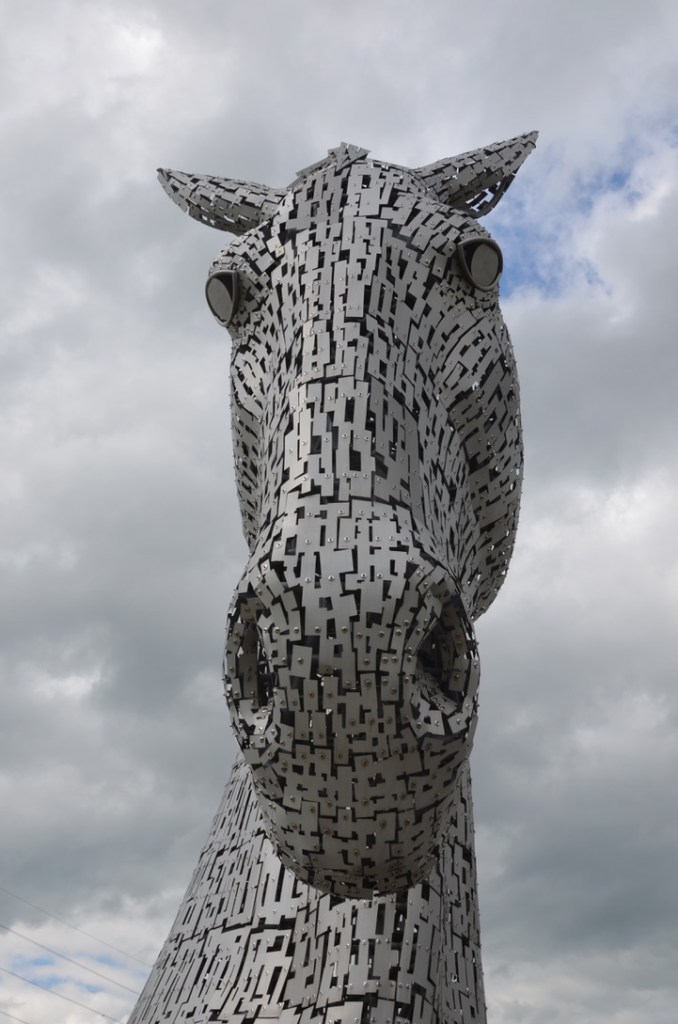
- The Kelpies at The Helix (4 miles from Falkirk): Just a few minutes away, these towering 30-metre-high horse-head sculptures are a must-see. The surrounding Helix Park offers fantastic accessible paths, a great play area for the kids, and plenty of space for a scenic dog walk.
- Perth City & Branklyn Garden (32 miles from Falkirk): Known as the “Fair City,” Perth is home to the stunning Branklyn Garden. This small but magnificent National Trust hillside garden is a peaceful haven for plant lovers and offers a beautiful, quiet escape for the whole family.
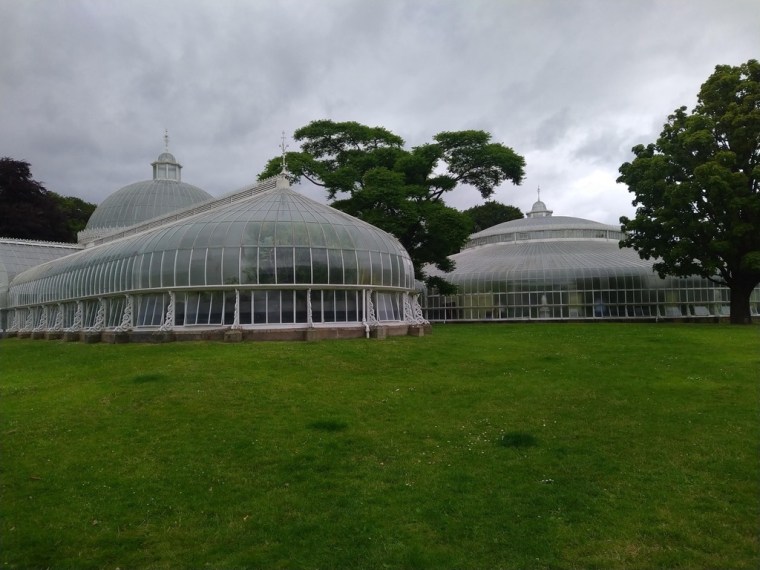
- Glasgow & The Botanic Gardens (24 miles from Falkirk): A short trip west brings you to Scotland’s largest city. The West End is home to the spectacular Botanic Gardens and the iconic Kibble Palace glasshouse.
- Edinburgh (27 miles from Falkirk): The historic capital is easily accessible for a day trip. Whether you’re climbing Arthur’s Seat for panoramic views, exploring the Royal Mile, or having a fish and chips in Leigh harbour, it’s a city that never fails to impress.
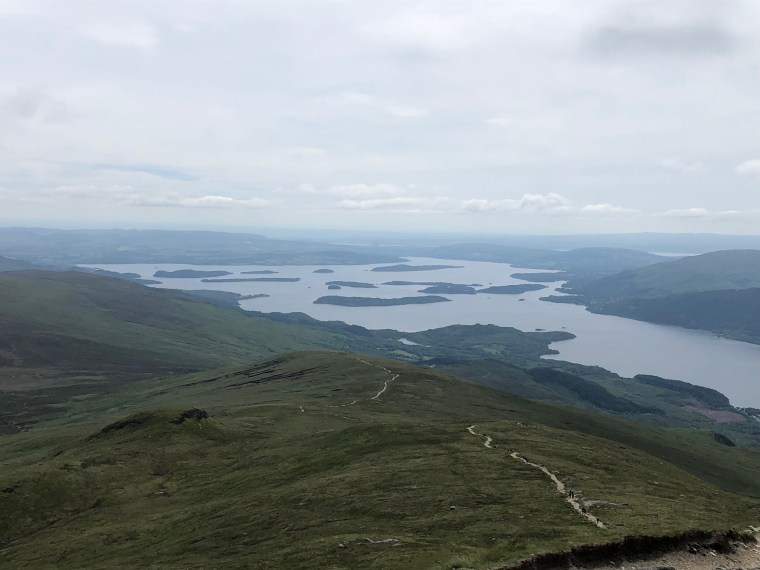
- Ben Lomond (36 miles from Falkirk): For those seeking a challenge, the walk to the summit of Ben Lomond offers some of the most iconic views in Scotland. As one of the most popular Munros, the well-trodden path provides a rewarding adventure with breathtaking vistas over Loch Lomond.

Final Thoughts
Join the Conversation
Have you visited Falkirk or Stirling? Do you think it is an area of Scotland you would like to explore?
Share your thoughts: Don’t hesitate to tell us what you think by leaving us a comment below!
Stay Updated
If you enjoyed this adventure, consider subscribing below to our newsletter for more family and dog-friendly adventures in the United Kingdom.


An interesting and informative post with some great photos, a shame your weather was so cloudy but at least you got some sunshine on your last day. I love that quirky pineapple on top of the Dunmore summerhouse and the shot of the Kelpie’s face.
LikeLiked by 1 person
Thank you Eunice. The pineapple is definitely interesting to see.
LikeLike
It’s funny how some bits of the country evade you, isn’t it? I always wanted to visit Stirling, and we had a family member living in Falkirk for a while but we never managed to get there. Shame about the weather but family time together is always precious so I’m sure you had a good time. This is an excellent guide, Melodie xx
LikeLiked by 1 person
So many places to visit and not enough time Jo. We are all guilty of it 😉. Glad you liked the post. We all had great time.
LikeLiked by 1 person
Stirling is a place I’d love to go back to because there is so much to see and do. We stopped by the Falkirk Wheel while travelling from Stirling to Edinburgh a few years ago and loved it. As the world’s only rotating boat lift, it is a spectacular sight. We only had time to view it from the ground, but apparently, taking a boat ride offers a more unique and informative experience. I haven’t visited The Village of Culross yet, but it looks utterly charming. Thanks fr sharing, and have a good day 🙂 Aiva xx
LikeLiked by 1 person
Thanks Aiva for reading my post. Culross village is a must. Maybe next time you visit that area.
LikeLiked by 1 person
It’s certainly on my travel wish list xx
LikeLiked by 1 person
Wow, that looks a marvelous holiday. So many scenic places to see on your trip. I especially love The Pineapple and the colourful village of Culross.
LikeLiked by 1 person
Thanks Sharon. There are so many places to visit in that area. It is worth spending some holiday around there.
LikeLiked by 1 person
Thanks for sharing.
The Falkirk Wheel and the Kelpies are on my list to visit.
LikeLiked by 1 person
I can only advise you to plan a trip. It is possible to walk from one to the other if you fancy a canal walk.
LikeLiked by 1 person
Hopefully later this tear.
LikeLiked by 1 person
Nice 😊
LikeLike
Such a very interesting and informative post, Mélodie. Well done. I really felt like I was along with you on your adventures. It seems as though you had a terrific holiday. Cheers.
LikeLiked by 1 person
Thank you Lynette that is very nice of you.
LikeLiked by 1 person
Looks like spring is arriving on this sojourn. Many wonderful places to visit!
LikeLiked by 1 person
It is definitely more and more present. Spring flowers are out.
LikeLike
I love the Falikirk Wheel and the Kelpies. Went there several years ago. I used to work in Falkirk and did my Master’s at Stirling Uni so know the area.
LikeLiked by 1 person
Nice area to study 😊.
LikeLike
I feel like I still haven’t grasped how the Falkirk Wheel does its magic, but it does look very impressive!
LikeLiked by 1 person
You need to watch it moving to fully understand the incredible engineering.
LikeLiked by 1 person
Très joli reportage sur cette belle région…merci pour cette visite virtuelle. (Suzanne)
LikeLiked by 1 person
Merci Suzanne. Ravie que l’article vous ait plus.
LikeLike
Wow, you packed a lot into your weekend despite the weather! I know all these places, as you might expect, as they are more or less on our doorstep. It would be good if you could visit Stirling Castle sometime when Skye had another engagement 😄 – it’s my favourite, I like it much more than Edinburgh and I’m sure there would be a lot to catch Marcus’s eye.
LikeLiked by 1 person
Thanks Anabel. I would like to visit the castle one day maybe when Marcus is older so he can fully appreciate.
LikeLiked by 1 person
Sterling is my favourite Scottish town that I’ve visited, so good to see some pictures of it again as its been a long time since I was up there
LikeLiked by 1 person
I can understamd why you like Sterling. Glad it reminded you your visit there.
LikeLiked by 1 person
Enrichissant en culture, architectures et découvertes ce week-end de Pâques que je viens de lire
LikeLike
L’Ecosse est tellement incroyable, quel que soit l’endroit où on se rend et la météo.
LikeLiked by 1 person
Oui je suis d’accord. Nous en prenons toujours plein les yeux.
LikeLiked by 1 person
Merci pour cette escapade qui réactive mes envies d’Ecosse ! Quant à la Falkirk Wheel, elle a l’air clairement impressionnante. Je n’en avais jamais entendu parler.
LikeLiked by 1 person
Il y a tellement de belles choses à voir en Ecosse que je ne peux que recommander de venir en vacances. La Falkirk wheel et les têtes de cheveaux Kelpies sont absolument à voir.
LikeLiked by 1 person
Wow, you guys had a jam-packed Easter Weekend experience in Scotland’s Central Lowlands – even though the weather conditions were not always favourable! And how amazing that almost everywhere you went, it is dog friendly. The Falkirk Wheel concept is so interesting and how unique is that pineapple house. I really enjoyed your photos and can see you had a wonderful long weekend.
LikeLiked by 1 person
Thank you. We did manage to do a lot considering the weather we had. We are lucky because the UK is very dog friendly so we always find something to do with our dog.
LikeLiked by 1 person