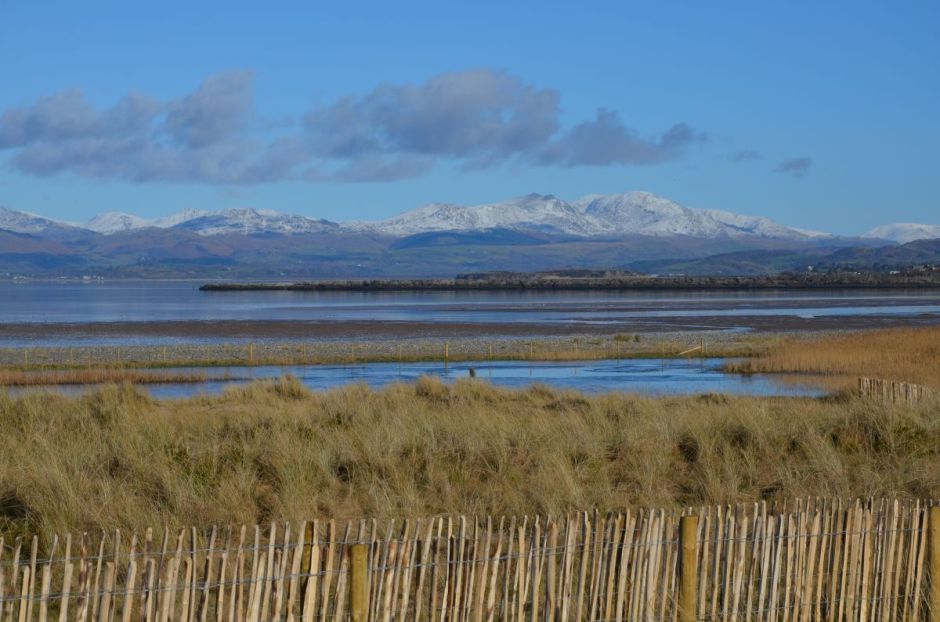
Discover the wild, ethereal beauty of Sandscale Haws National Trust Nature Reserve, a coastal hidden gem in the South Lake District where snow-capped peaks meet the Irish Sea. This winter family adventure offers a mix of frozen sands, mysterious shipwrecks and wild dunes. The reserve is also home to a quarter of the UK’s rare Natterjack toads and a tapestry of over 600 plant species offering a profound sense of peace.
Walk information
- Distance: 5.6 km
- Duration: 2h
- Ascent: +139 m
- Level: easy to moderate (requires navigation skills)
- Car Park: Sandscale Haws National Trust car park, Roanhead, Hawthwaite Lane, near Barrow-in-Furness, Cumbria, LA14 4QJ. Fees apply to non-members of the National Trust
- Facilities: Toilets at the car park (seasonal)
- Child friendly: not pushchair friendly. Great walk for toddlers with plenty of things to observe on the beach and dunes.
- Dog friendly: Yes, however dogs need to be on a lead in the dunes.
- Terrain & Safety Notes: Sandy beach, and grassy dunes. Be careful with the tides and make sure you have plenty of time before the high tide arrives.
Our adventure
When the new National Trust annual handbook landed on my mat a few weeks ago, I spent a couple of hours on a Sunday morning to skim through it with a nice cup of tea. It was then I realised we had completely overlooked a coastal gem in the south of the Lake District—the Sandscale Haws National Nature Reserve. With Valentine’s Saturday promising crisp winter sunshine, I nudged Matt to drive south for a family adventure.
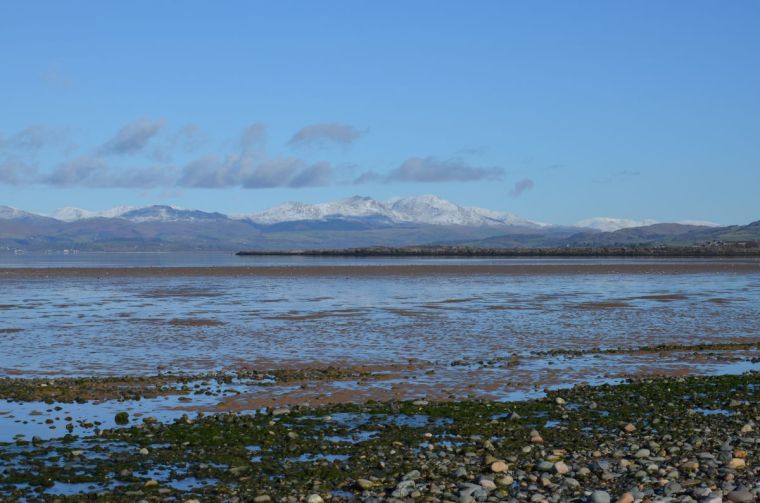
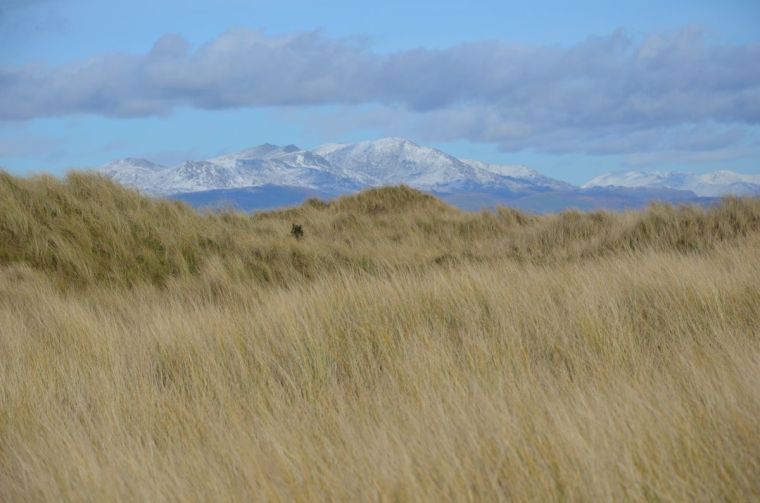
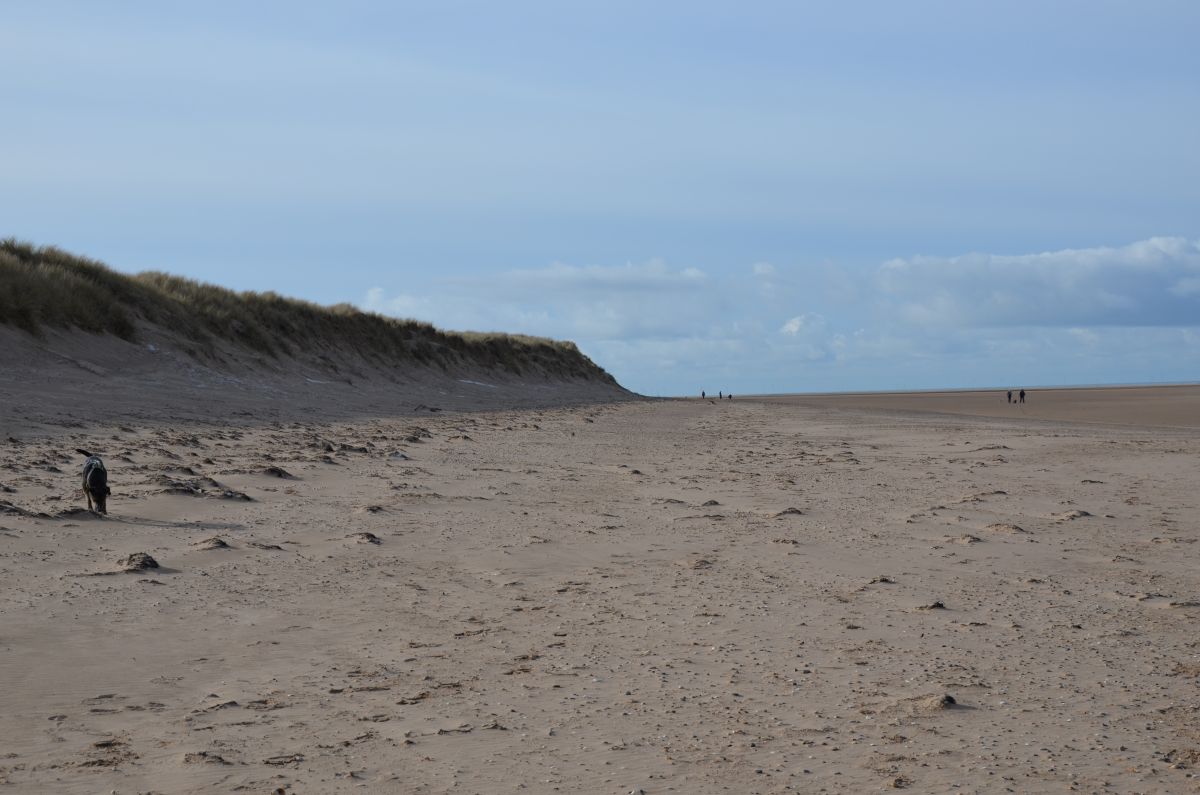
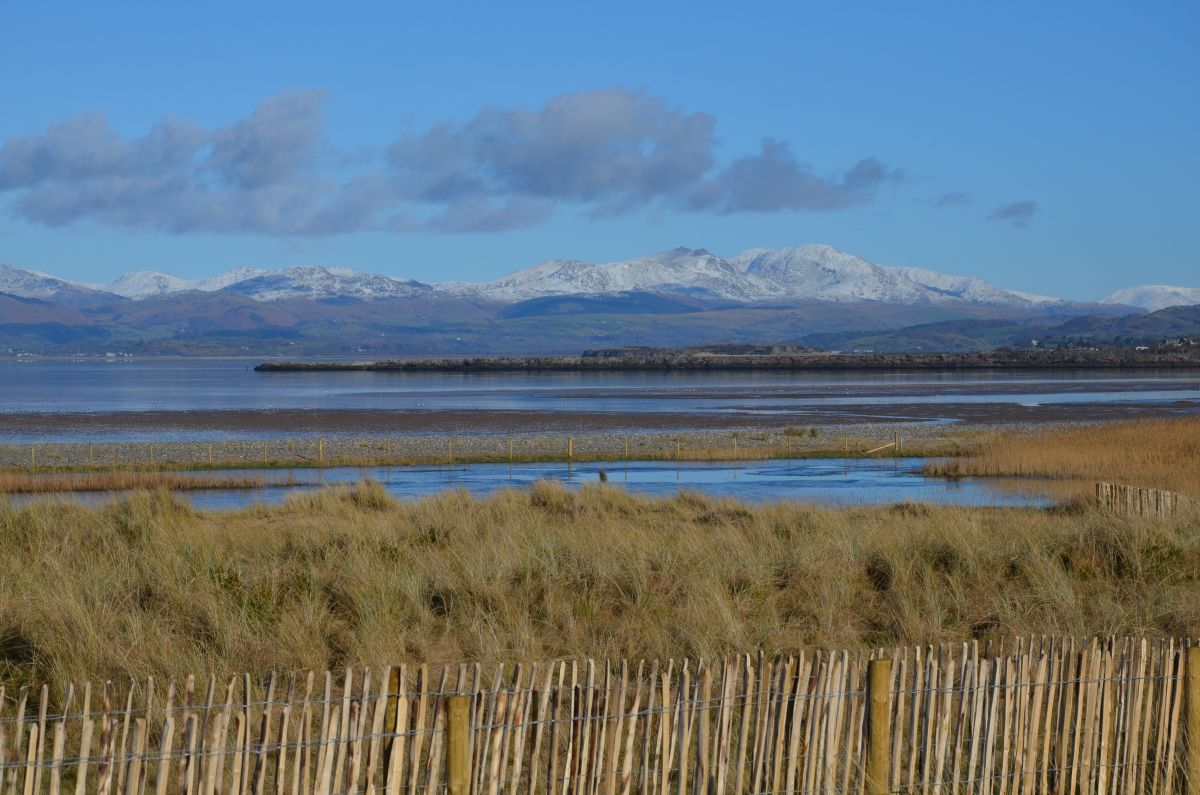
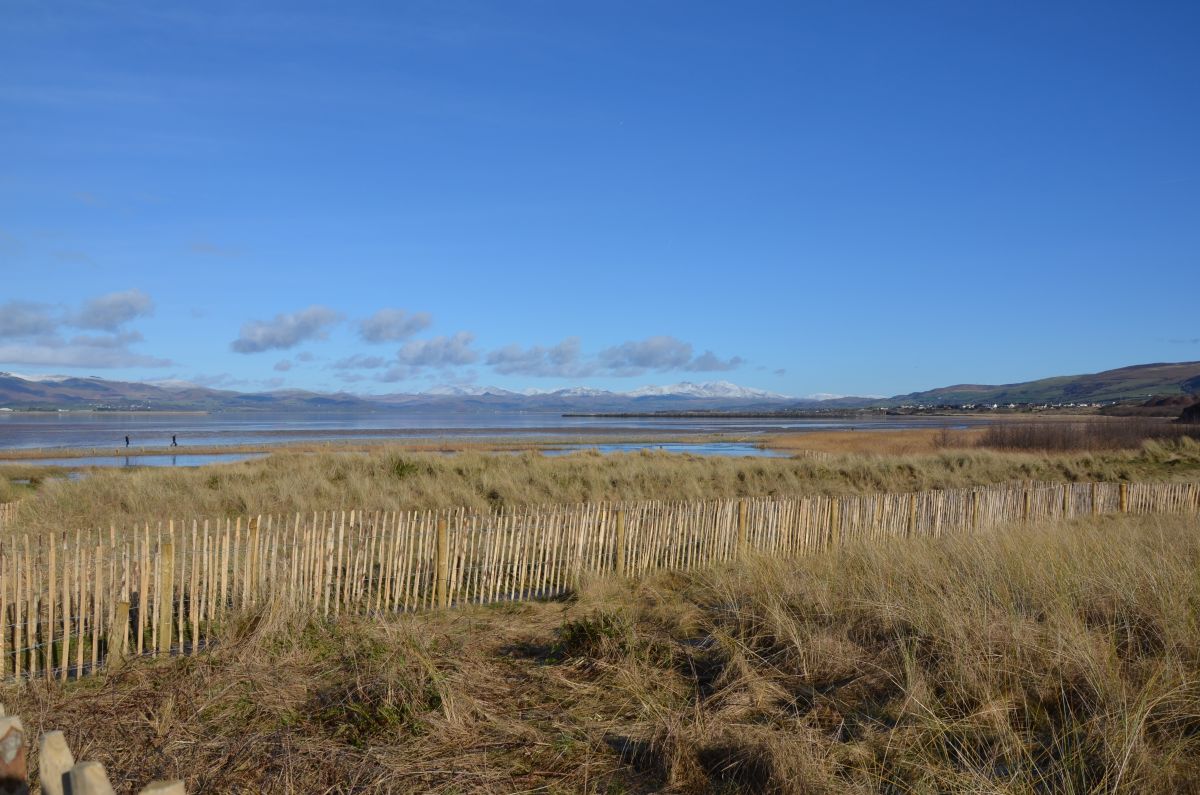
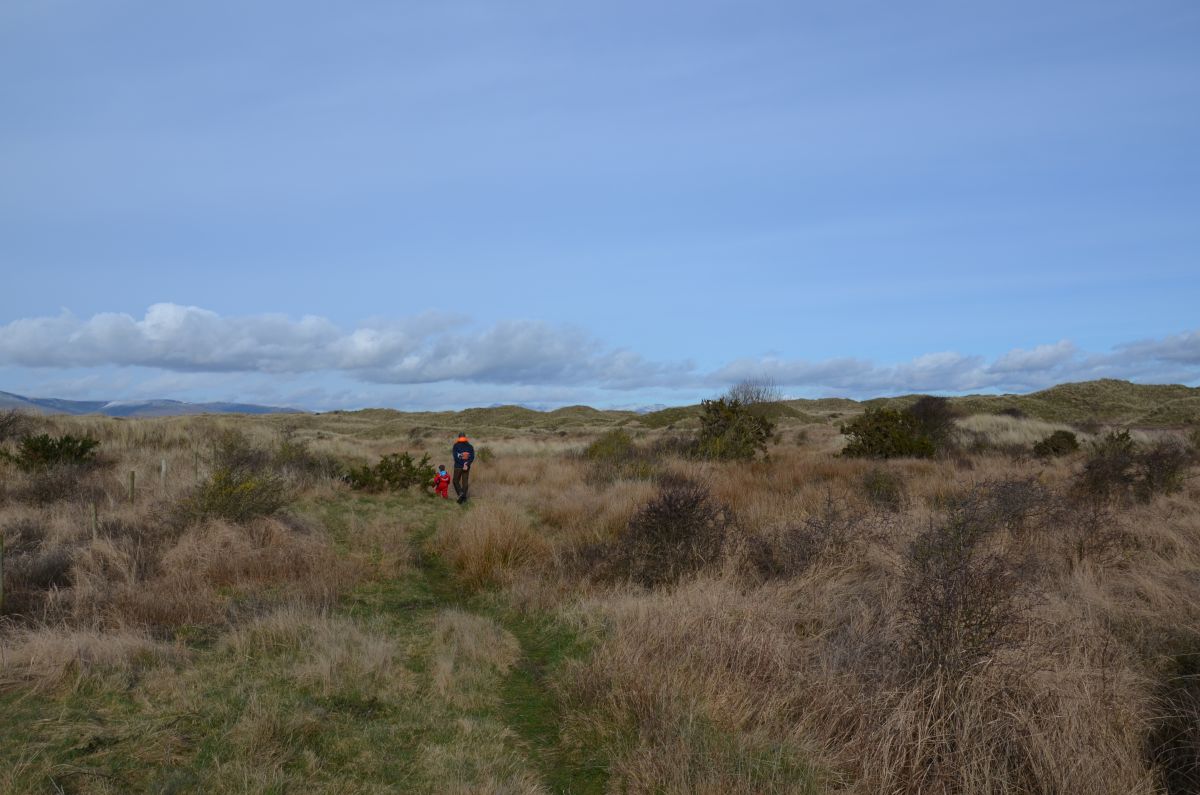
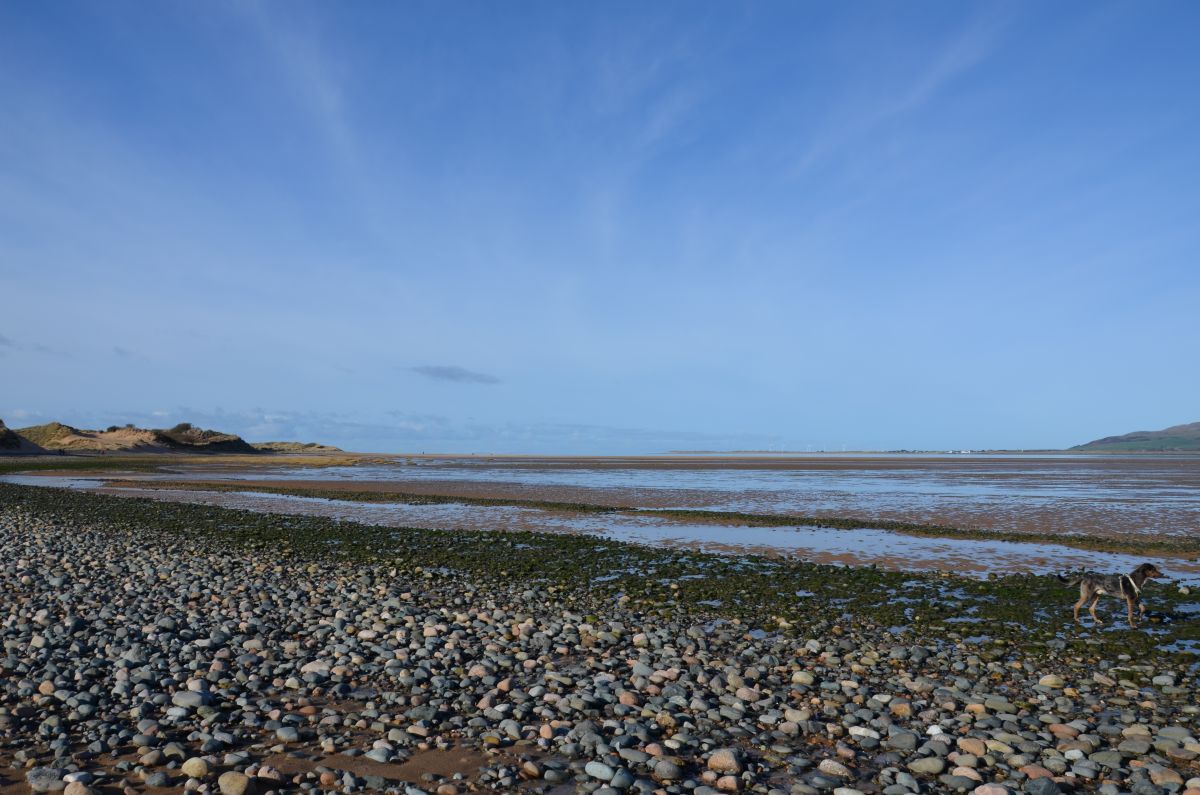
We arrived by mid-morning to a half empty car park, though by the time we returned, it was full. Stepping out into the cold, the air was perfectly still and biting. We set off with the towering Sandscale dunes to our left, while the Duddon Estuary opened up to our right. The summits of the Lake District were draped in fresh, brilliant white snow, their peaks gleaming against a stark blue sky. Across the water, the lone sentinel of the Hodbarrow lighthouse stood watch near Millom.
Read more about our exploration of Hodbarrow nature reserve.
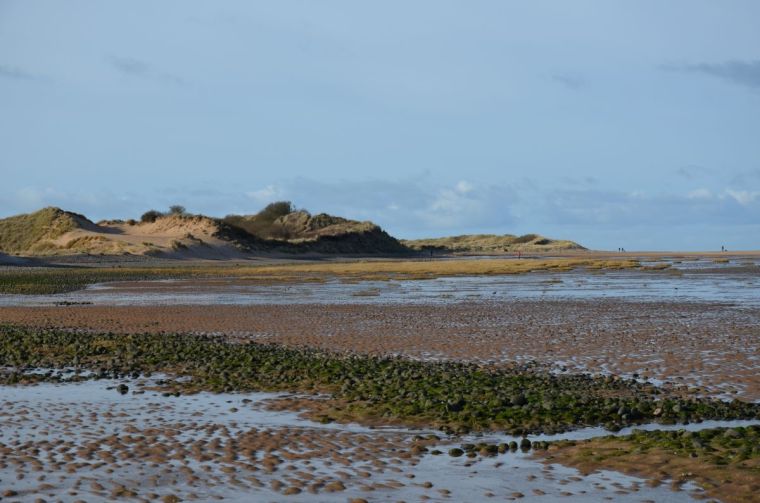
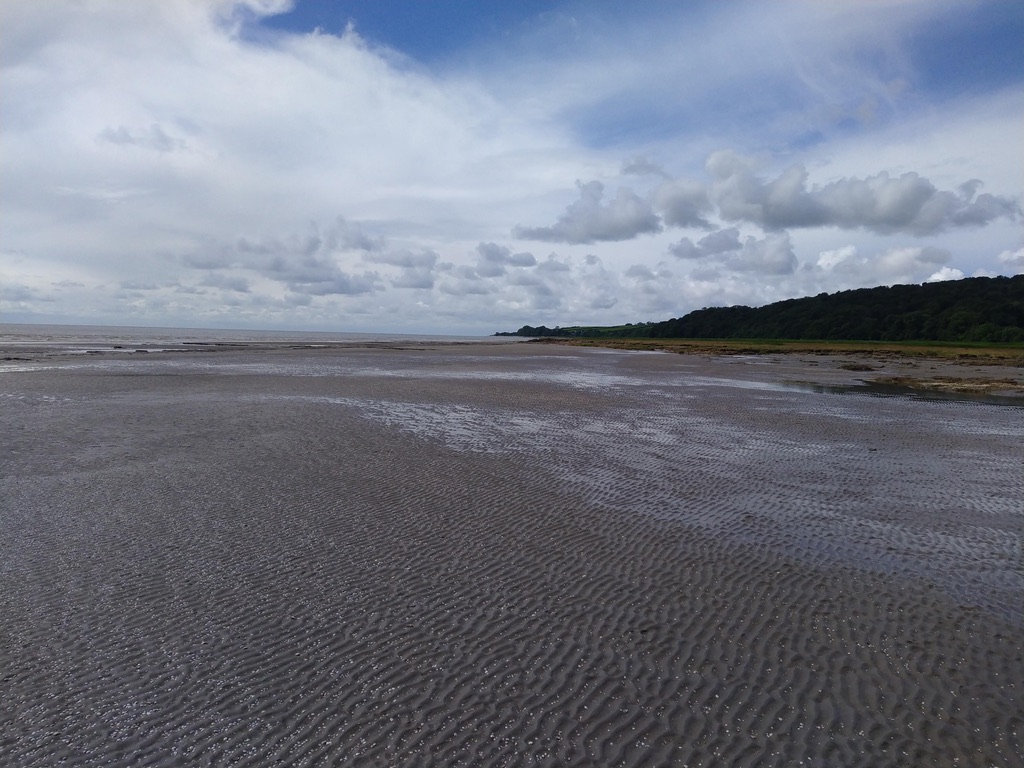
The overnight frost had performed a strange kind of magic on the shoreline. I had never seen anything like it: a thin glaze of ice suspended over water, resting right on top of the sand. Marcus was in his element, the satisfying crunch of breaking ice and the hunt for sea shells providing all the fuel he needed to keep his little legs moving.
As the visitor walk through the dunes and along the estuary, they are moving through one of the most ecologically significant landscapes in the UK. Beneath the winter frost, the reserve protects a quarter of the UK’s Natterjack Toad population — rare, yellow-striped creatures that “run” rather than hop, though they remained tucked away in hibernation during our visit. The Duddon Estuary serves as an international “service station” for over 70,000 wading birds, with Pink-footed Geese often seen overhead in V-formations. Hidden beneath the marram grass is a botanist’s treasure trove of over 600 plant species, including the elusive Dune Helleborine and the parasitic Coralroot Orchid. Even the ground itself is a kingdom of rare fungi, where you might stumble upon a tiny Earthstar, looking just like a fallen celestial body, or the jet-black pokes of the mysterious Earthtongue fungus.
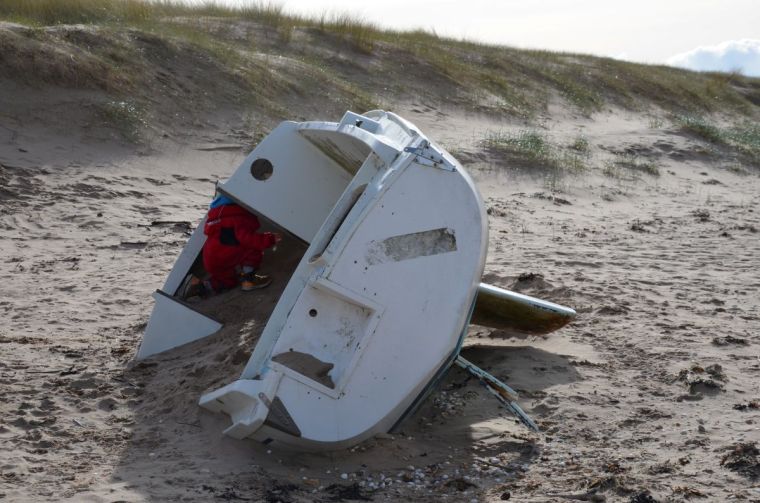
The beach felt endless but finally we arrived at the end, where we turned left to follow the dunes. We could see the offshore wind farm in the distance and after that bend the beach stretched out again towards the horizon. After a couple of meters, we stumbled upon a skeleton of the sea — a shipwreck half-buried in the sand, leaning wearily on its side. As, under our close supervision, Marcus scrambled over its salt-worn timber to start his little exploration, I found myself lost in the mystery of it. There was no name, no fading paint to tell its tale. I wondered about its final voyage: was it a local sail boat or a long-distance traveller? Why was it left here to be swallowed by the dunes?
Turning away from the offshore wind farms that shimmered in the distance, we climbed up into the dunes. This is where the landscape truly showed its wild heart. Navigating through the tall marram grass felt like a miniature expedition. Using the Visorando app to find our way, we wove through a labyrinth of hollows and hidden tarns, some of which had spilled over, turning the path into a watery puzzle. Marcus loved the challenge; he is always much more at home on a muddy, winding trail than a paved path.
Finally we arrived back at our starting point. It was well past lunch time so we decided to drive to Dalton in Furness to find a pub. We stopped at the, which bar is dog area friendly. The food was ok and the atmosphere was nice and traditional. One of the waiters was from Tunisia and spoke some French so when he heart us speaking in French he was happy to practice with us.
By the time we looped back, we were cold and starving. We headed to Dalton-in-Furness where we found a cosy, traditional pub that welcomed us. We even shared a lovely moment with a Tunisian waiter who decided to join us in speaking French.
Walking through Sandscale Haws on a clear winter’s day was the perfect antidote to a stressful week. There is a profound, quiet peace to be found where the mountains meet the Irish Sea. We have already promised ourselves to come back for a longer walk through the dunes when Marcus is older.
Extend Your Adventure: Make a Holiday of It
For those looking to extend their stay and plan a longer adventure across the Lake District National Park, I’ve shared our favourite family and dog-friendly spots that are well worth a visit.
- Roa Island & Bardsea (8 miles from Sandscale Haws): Explore a quirky causeway-linked island and a charming seaside village on this coastal road trip.
- Holker Hall (18 miles from Sandscale Haws): Discover a grand stately home featuring award-winning gardens and a wild deer park.
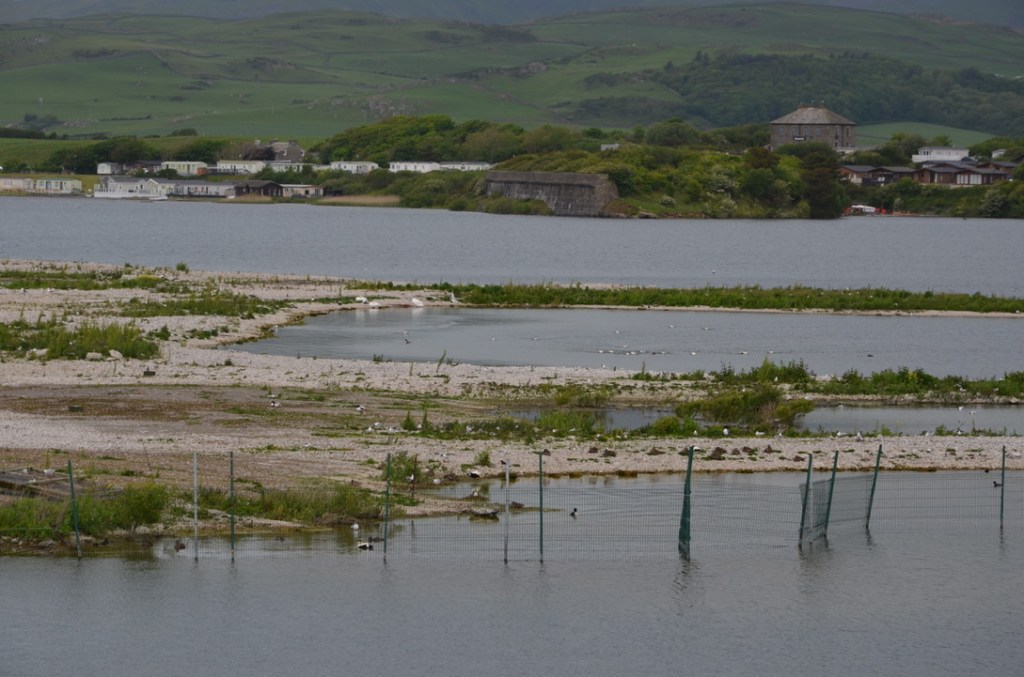
- Hodbarrow Reserve (22 miles from Sandscale Haws): Walk around a scenic lagoon at this RSPB site, perfect for spotting rare seabirds and coastal flora.
- Black Combe Summit (24 miles from Sandscale Haws): Tackle this legendary fell walk for panoramic views that stretch all the way to the Isle of Man.

Final Thoughts
Download & Go!
Download the free PDF and GPX of the walk here
Join the Conversation
Do you know this walk? Have you completed this walk, or do you know any similar or close-by walks you recommend?
Share your thoughts: Don’t hesitate to tell us what you think by leaving us a comment below!
Stay Updated
If you enjoyed this adventure, consider subscribing below to our newsletter for more family and dog-friendly adventures in the Lake District National Park and across the UK.
 Our Lake District Escapades
Sandscale Haws National Trust Nature Reserve looks like a peaceful and picturesque place, dear Melodie. I love those panoramic mountain views and secluded sandy beaches with hardly any other people around. Thanks for sharing, and have a good day 🙂 Aiva xx
LikeLiked by 1 person
Thank you Aiva for your comment. I am happy you are also finding this place beautiful. It was perfect walk for a toddler.
LikeLiked by 1 person